

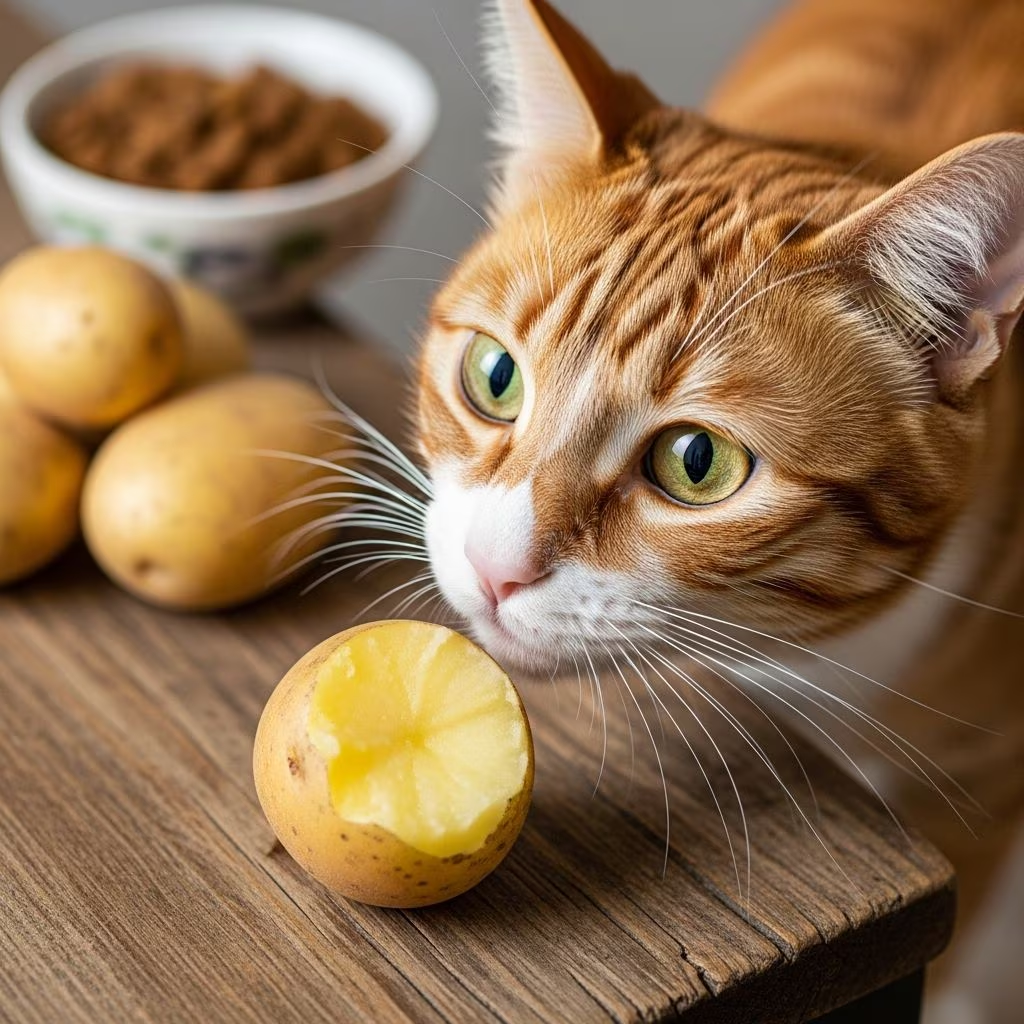
Potatoes are a beloved staple in human diets worldwide, packed with nutrients like vitamins and minerals, but cat owners often wonder if they can share this versatile vegetable with their feline companions. As obligate carnivores, cats have unique dietary needs centered on animal proteins, making plant-based foods like potatoes a topic of caution. The short answer: cats can eat small amounts of plain, cooked potatoes occasionally, but raw potatoes are toxic due to solanine, and seasoned varieties pose additional risks. This guide breaks down the safety, benefits, risks, and best practices for feeding potatoes to cats, ensuring your pet’s health remains a priority.
Are Potatoes Safe for Cats?
Plain, cooked potatoes without skin, seasonings, oils, or additives are generally safe for cats in tiny portions, serving more as an occasional treat than a dietary staple. Veterinary sources emphasize that while not toxic when properly prepared, potatoes offer limited nutritional value for cats, who thrive on meat-based nutrition. Overfeeding can lead to digestive upset or contribute to obesity, as cats lack the enzymes to efficiently process carbohydrates. Always prioritize complete cat foods formulated for obligate carnivores.
Nutritional Value of Potatoes for Cats
Potatoes provide humans with potassium, vitamin C, B6, magnesium, and fiber, but cats derive minimal benefits from these. As strict carnivores, felines obtain essential nutrients like taurine and arachidonic acid primarily from meat, not plants. Potatoes’ high starch content can cause blood sugar spikes unsuitable for cats, potentially leading to weight gain or diabetes risks over time. In moderation—less than 10% of daily calories—cooked potatoes might offer trace hydration and digestible carbs during tummy troubles, but they should never replace protein-rich kibble or wet food.
- Vitamin B6: Supports energy metabolism, though cats get ample from meat.
- Potassium: Aids muscle function, but insufficient alone for feline needs.
- Magnesium and Iron: Present in small amounts; better sourced from quality cat food.
- Starch and Fiber: Can bind stool in diarrhea cases but risks bloating otherwise.
Experts note potatoes’ antioxidants may bolster immunity marginally, yet balanced cat diets already include superior sources.
Can Cats Eat Raw Potatoes?
No, raw potatoes are dangerous for cats due to solanine, a glycoalkaloid toxin concentrated in skins, sprouts, and green-tinged flesh. This natural pesticide causes gastrointestinal distress, neurological symptoms, and in severe cases, organ damage. Symptoms appear within hours: vomiting, diarrhea, lethargy, disorientation, tremors, and rapid breathing. Raw potatoes also pose choking hazards and are hard to digest, exacerbating issues for cats’ short intestines.
Even small amounts warrant veterinary attention. Induce vomiting only under vet guidance, and monitor for dehydration. Prevention is key: store potatoes securely away from curious cats.
Can Cats Eat Cooked Potatoes?
Yes, peeled, boiled, baked, or roasted plain potatoes are safer once solanine levels drop via cooking. Remove all skin to eliminate residual toxins. Limit to pea-sized pieces (about ½-inch cube) once or twice weekly, observing for tolerance. Cooked potatoes soften for easier digestion but remain carb-heavy, so they’re not ideal for regular feeding.
| Preparation Method | Safe for Cats? | Notes |
|---|---|---|
| Boiled/Steamed (plain, peeled) | Yes, small amounts | Soft texture reduces choking risk; monitor digestion. |
| Baked/Roasted (no oil/salt) | Yes, sparingly | Avoid skins; crisp exteriors may irritate gut. |
| Mashed (no butter/milk) | Yes, tiny portions | Plain only; additives cause pancreatitis or lactose issues. |
| Fried/Chips | No | High fat/oil/salt leads to vomiting, dehydration, toxicity. |
Can Cats Eat Sweet Potatoes?
Sweet potatoes differ from regular potatoes, lacking solanine, making them non-toxic when cooked and plain. Rich in beta-carotene (vitamin A precursor), fiber, and antioxidants, they support digestion and immunity better than white potatoes. However, their high carb load makes them empty calories for cats—feed mashed, peeled portions smaller than a teaspoon occasionally. Raw sweet potatoes remain indigestible and risky.
- Benefits: Softer stool, hydration, vitamin boost.
- Risks: Gas, obesity if overfed; not a meat substitute.
Potato Preparations to Avoid
Many human potato dishes are hazardous: french fries, chips, and hash browns contain excessive oils triggering pancreatitis; potato salad often has onions, garlic (toxic alliums), and mayo (fatty); scalloped potatoes include cheese and dairy, causing lactose intolerance symptoms like diarrhea. Salty varieties dehydrate cats quickly due to limited salt tolerance. Gravy-thickened potatoes hide seasonings harmful to felines. Always err on plain preparations.
Risks and Dangers of Feeding Potatoes to Cats
Beyond solanine, potatoes risk digestive overload from starches, leading to vomiting, constipation, bloating, or diarrhea. High glycemic index spikes blood sugar, concerning for diabetic or overweight cats. Skins and green parts concentrate glycoalkaloids; even cooked, large quantities ferment in the gut, causing flatulence. Chronic overfeeding displaces vital proteins, risking taurine deficiency (heart/eye issues). Allergic reactions are rare but possible—watch for itching or swelling.
In toxicity cases from raw or green potatoes, solanine inhibits cholinesterase, disrupting nerve signals. Prompt vet care with activated charcoal or IV fluids may be needed. Obesity from carb treats contributes to arthritis, diabetes, and hepatic lipidosis.
How to Safely Feed Potatoes to Your Cat
If offering potatoes, follow these vet-recommended steps:
- Wash thoroughly to remove dirt.
- Peel completely, discarding skins/sprouts/green areas.
- Cook plainly: boil, bake, or steam until soft—no oils, salt, butter, herbs.
- Cool and mash or cube into tiny bites (<1 cm).
- Introduce gradually: one small piece, wait 48 hours for reactions.
- Limit frequency: 1-2 times weekly, <10% calories.
- Store securely; supervise eating.
Consult your vet for kittens, seniors, or cats with health issues like pancreatitis or IBD.
Alternatives to Potatoes for Cats
Opt for cat-safe veggies like steamed pumpkin or carrots for fiber, or meat-based treats. Commercial cat foods meet all needs; supplements like freeze-dried meat provide variety without risks. Green beans or peas offer low-cal crunch in moderation.
- Pumpkin: Aids digestion, high water content.
- Cooked Carrots: Beta-carotene without excess starch.
- Cat-Safe Treats: Chicken, fish-based for protein.
Frequently Asked Questions (FAQs)
Can cats eat potatoes safely?
Yes, plain cooked peeled potatoes in very small amounts occasionally, but avoid raw or seasoned ones.
Why are raw potatoes toxic to cats?
Raw potatoes contain solanine, causing vomiting, diarrhea, lethargy, and neurological issues.
Can cats eat mashed potatoes?
Plain mashed (no dairy/additives) yes, tiny amounts; otherwise, risks pancreatitis or upset.
Are sweet potatoes okay for cats?
Cooked plain sweet potatoes are non-toxic and safer, but still limit due to carbs.
How much potato can I give my cat?
No more than a ½-inch cube 1-2 times weekly; less for small cats.
What if my cat ate raw potato?
Contact vet immediately; watch for toxicity symptoms like vomiting or lethargy.
References
- Can Cats Eat Potatoes? — PetMD. 2023-05-15. https://www.petmd.com/cat/nutrition/can-cats-eat-potatoes
- Can Cats Eat Potatoes? A Guide to Safety — Purina US. 2024-02-20. https://www.purina.com/articles/cat/feeding/can-cats-eat/potatoes
- Can Cats Eat Potatoes? — Cats.com. 2023-11-10. https://cats.com/can-cats-eat-potatoes
- Can Cats Eat Potatoes? — Maven Pet. 2024-01-05. https://maven.pet/all-about-pets/pet-care/cat-diet/can-cats-eat-carbs/can-cats-eat-potatoes/
- Can Cats Eat Potatoes? — ASPCA (via referenced tox profile). 2022-08-12. https://www.aspca.org/pet-care/animal-poison-control/toxic-and-non-toxic-plants/potato



