

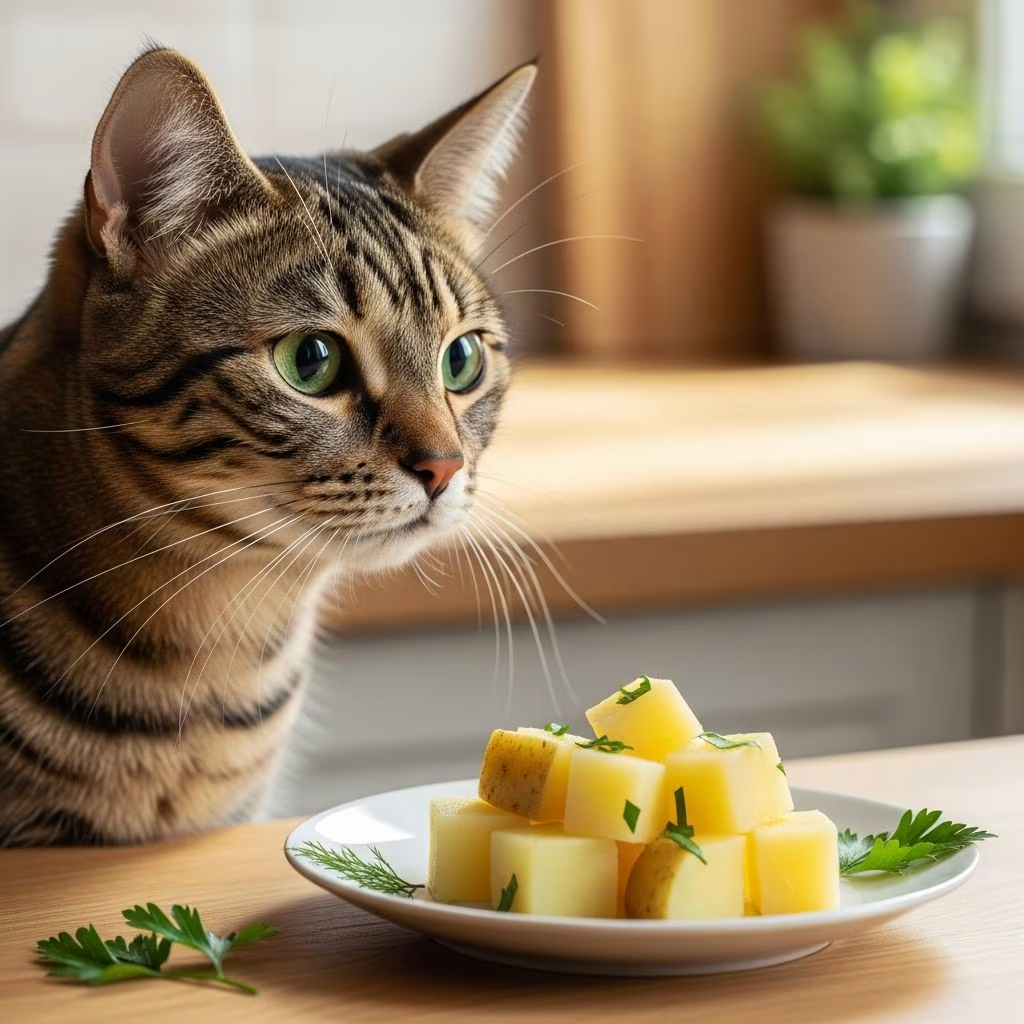
Can Cats Eat Potatoes?
Potatoes are a staple food in many households around the world, and as a cat owner, you may wonder if it’s safe to share this common vegetable with your feline companion. The answer is nuanced: while cooked, plain potatoes can be safe for cats in very small amounts, raw potatoes pose significant health risks. Understanding the difference between safe and unsafe potato preparations is essential for protecting your cat’s health and well-being.
The key to safely feeding potatoes to cats lies in proper preparation and moderation. Cats are obligate carnivores, meaning their bodies are designed to thrive on meat-based diets and derive minimal nutritional benefit from vegetables like potatoes. Therefore, potatoes should never become a regular part of your cat’s diet but can occasionally be offered as a tiny treat under specific conditions.
Can Cats Eat Raw Potatoes?
The short answer is no—cats should never eat raw potatoes. Raw potatoes contain a toxic compound called solanine, which is a natural defense mechanism that the potato plant produces to protect itself from being eaten. While solanine serves an important purpose for the potato plant, it poses a serious health threat to cats and other animals.
Solanine is highly poisonous to cats and can cause severe gastrointestinal distress and systemic effects when ingested. The toxin is particularly concentrated in raw potatoes, potato peels, and green-spotted potatoes. Even small amounts of raw potato can be dangerous, making it critical to keep uncooked potatoes away from your cat’s reach.
Signs of Solanine Poisoning in Cats
If your cat has accidentally consumed raw potatoes, watch for the following symptoms of solanine toxicity:
- Vomiting
- Diarrhea
- Lethargy and weakness
- Disorientation and confusion
- Abdominal pain
- Loss of appetite
If you suspect your cat has eaten raw potatoes or raw potato peels, contact your veterinarian immediately. Do not wait for symptoms to develop before seeking professional help, as solanine toxicity can progress quickly. Your vet can provide appropriate treatment and monitor your cat’s condition.
Can Cats Eat Cooked Potatoes?
Yes, cats can eat small amounts of properly prepared cooked potatoes. When potatoes are cooked thoroughly, the solanine toxin breaks down and becomes significantly less harmful, though trace amounts may still remain. The cooking process fundamentally changes the potato’s chemical composition, making it safer for feline consumption.
However, just because cooked potatoes are safer does not mean they are nutritionally beneficial for cats. Potatoes are carbohydrate-heavy and provide minimal nutritional value to obligate carnivores. Cats lack certain enzymes needed to efficiently digest plant-based foods, so any potato consumption should be minimal and infrequent.
How to Safely Prepare Potatoes for Cats
If you choose to offer your cat a tiny taste of potato, follow these guidelines to ensure maximum safety:
- Wash thoroughly: Remove any dirt or debris from the potato’s surface
- Peel completely: Remove all skin, as potato skins contain concentrated solanine even after cooking
- Cook until soft: Boil or bake the potato until it is completely tender
- Avoid all seasonings: Do not add salt, butter, oil, garlic, onion, or any other seasonings
- Serve in tiny amounts: Offer only a ½-inch cube or smaller
- Monitor for reactions: Watch your cat for 48 hours after consumption for any signs of digestive upset
Plain, peeled, and cooked potatoes prepared this way are unlikely to cause toxic side effects in healthy adult cats. However, if your cat shows any signs of vomiting or diarrhea after eating potato, discontinue offering this food immediately.
Specific Potato Preparations and Cat Safety
Mashed Potatoes
Most mashed potatoes are prepared with butter, milk, salt, and other seasonings that are unsuitable for cats. Dairy products like milk and butter can cause digestive upset in cats, as most felines are lactose intolerant. Additionally, the high sodium content in typical mashed potato recipes can lead to dehydration and other health problems in cats. If you want to offer your cat mashed potato, prepare a small plain batch with no butter, gravy, milk, or seasonings. Even then, serve only a tiny amount.
Baked and Roasted Potatoes
The inner flesh of baked or roasted potatoes is generally safe for cats when served plain and in minimal quantities. However, never allow your cat to eat the skin of a baked potato, as this is where solanine concentrates. Remove all skin before offering any baked potato to your feline friend.
Fried and Oily Potatoes
Potatoes prepared with oil, butter, or fat should never be given to cats. These preparations are difficult for cats to digest and can cause vomiting and diarrhea. More seriously, high-fat foods can trigger pancreatitis, an inflammation of the pancreas that causes severe gastrointestinal symptoms and requires veterinary treatment. This includes french fries, potato chips, and any fried potato preparation.
Seasoned Potatoes
Potatoes prepared with salt, spices, garlic, onion, or other seasonings are dangerous for cats and should never be offered. Cats are particularly sensitive to salt and can become dehydrated very quickly from salty foods. Garlic and onion are toxic to cats and can damage their red blood cells. Avoid sharing potato salads, seasoned roasted potatoes, or any flavored potato dish with your cat.
Sweet Potatoes
Unlike regular potatoes, sweet potatoes do not contain solanine and are non-toxic to cats. However, sweet potatoes are also carbohydrate-heavy and offer minimal nutritional benefit to obligate carnivores. If you choose to offer sweet potato to your cat, ensure it is plain, cooked, peeled, and served in tiny amounts only.
Nutritional Considerations for Cats
While potatoes contain vitamins and minerals such as vitamin B6, vitamin C, potassium, magnesium, and iron, cats are unable to utilize these nutrients efficiently due to their specialized carnivorous digestive systems. Cats have evolved over thousands of years to obtain all essential nutrients from animal protein and fat, not from plant-based carbohydrates.
Cats require specific amino acids like taurine, which is found almost exclusively in animal products. They also need adequate animal-based protein to support muscle maintenance, organ function, and overall health. Potatoes cannot provide these essential nutrients in forms that cats can properly absorb and utilize.
For this reason, potatoes should never exceed 10% of your cat’s total daily calorie intake. In practice, potatoes should be treated as rare treats rather than regular dietary additions. Your cat’s primary nutrition should come from complete and balanced commercial cat foods formulated specifically for their carnivorous needs.
Risks and Side Effects of Potato Consumption
Even when properly prepared, potatoes can cause gastrointestinal distress in some cats due to their digestive systems being designed for meat processing rather than plant digestion. Potential side effects include:
- Vomiting and diarrhea
- Constipation
- Abdominal pain and bloating
- Loss of appetite
Additionally, the high carbohydrate content in potatoes can contribute to weight gain and obesity in cats, particularly if offered regularly. Obesity in cats increases the risk of diabetes, joint problems, and other serious health conditions. For cats with existing health issues, including diabetes, kidney disease, or digestive sensitivities, potatoes should be avoided entirely.
What to Do If Your Cat Eats Potatoes
If your cat accidentally consumes raw potatoes or potato skins, contact your veterinarian immediately. Even if your cat shows no immediate symptoms, solanine toxicity can develop within a few hours of ingestion. Your vet can assess the amount consumed and recommend appropriate monitoring or treatment.
If your cat eats properly prepared cooked potatoes, monitor them closely for 48 hours. Watch for signs of gastrointestinal upset such as vomiting, diarrhea, or abdominal discomfort. If symptoms develop, contact your veterinarian. If your cat shows no adverse effects after 48 hours, you can assume the small amount of potato was tolerated without issue.
Safer Treat Alternatives for Cats
Rather than offering potatoes, consider these safer and more nutritionally appropriate treat options for your feline friend:
- Small pieces of cooked chicken or turkey
- Plain cooked fish (salmon or tuna)
- Commercial cat treats formulated for feline nutrition
- Small amounts of cooked egg
- Cat-safe wet food or broth
These alternatives provide actual nutritional value that your cat’s body can utilize, while also being safer and more appropriate for their carnivorous dietary needs.
Frequently Asked Questions
Q: Can kittens eat potatoes?
A: Kittens should not eat potatoes. Young cats have developing digestive systems that are even more sensitive than adult cats. Potatoes provide no nutritional benefit and carry the same toxicity risks. Focus on kitten-specific formulated foods that support healthy growth and development.
Q: Are potato skins safe for cats?
A: No, potato skins in any form (raw or cooked) contain solanine and should never be given to cats. Always remove all traces of skin before offering any potato to your cat. If your cat eats potato skin, contact your veterinarian.
Q: Can cats eat green potatoes?
A: No, green-spotted potatoes contain elevated levels of solanine and are particularly toxic to cats. Discard green potatoes properly, and keep them away from curious cats who might try to eat them from the trash.
Q: How much potato can a cat safely eat?
A: If offering cooked, plain potato, limit portions to a ½-inch cube or smaller, and do not offer more than once or twice per week at most. Potatoes should represent less than 10% of your cat’s daily calorie intake.
Q: Is potato starch bad for cats?
A: Potato starch is not toxic to cats, but it provides carbohydrates that cats cannot efficiently utilize. Cats have no nutritional requirement for carbohydrates and should derive calories primarily from animal protein and fat.
Q: Can cats eat instant potatoes or potato flakes?
A: Instant potatoes and potato flakes often contain added salt, seasonings, and milk products that are unsafe for cats. These processed products should not be offered to your cat.
References
- Can Cats Eat Potatoes? — PetMD. 2024. https://www.petmd.com/cat/nutrition/can-cats-eat-potatoes
- Can Cats Eat Potatoes? A Guide to Safety — Purina US. 2024. https://www.purina.com/articles/cat/feeding/can-cats-eat/potatoes
- Can Cats Eat Potatoes? — Cats.com. 2024. https://cats.com/can-cats-eat-potatoes
- Can Cats Eat Potatoes? — Maven Pet. 2024. https://maven.pet/all-about-pets/pet-care/cat-diet/can-cats-eat-carbs/can-cats-eat-potatoes/
- Can Cats Eat Potatoes? Here’s what you need to know! — Untamed. 2024. https://untamed.com/blogs/nutrition/can-cats-eat-potatoes



