

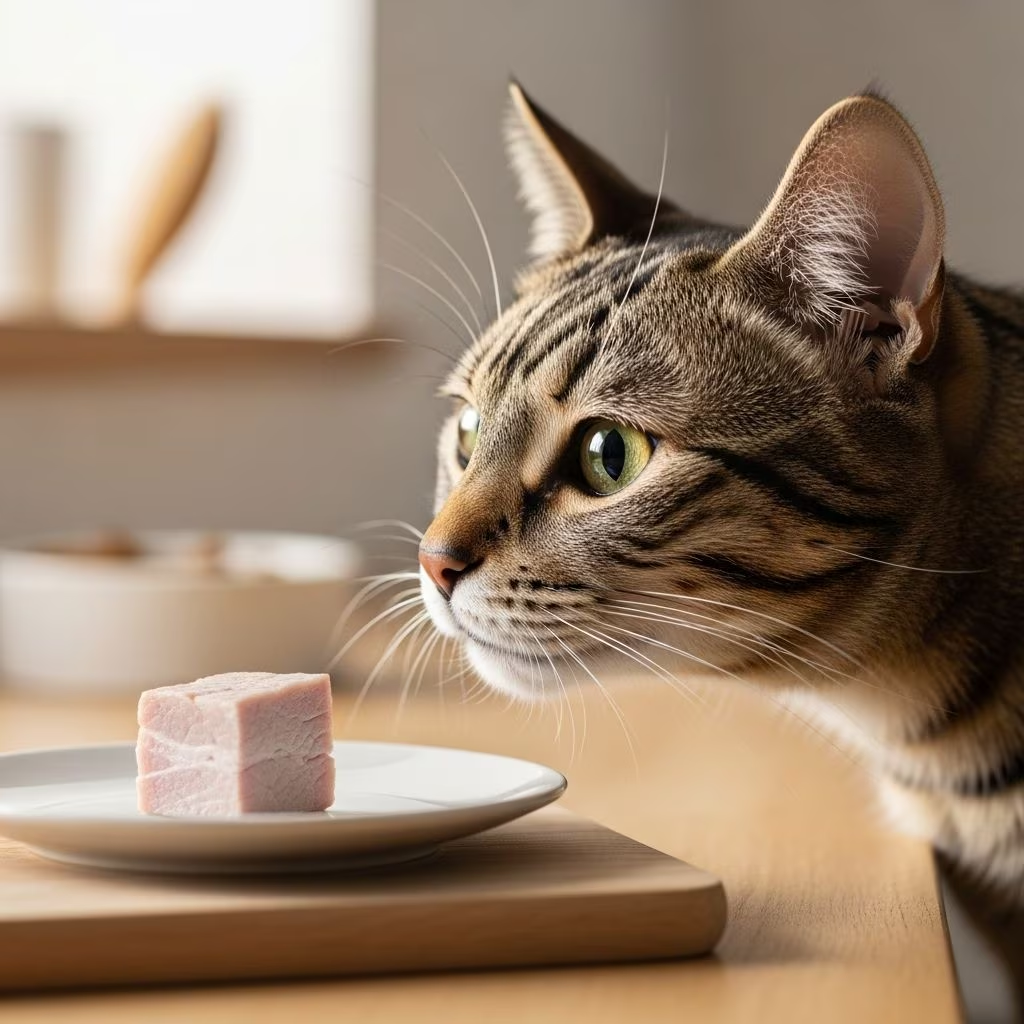
Can Cats Eat Pork? A Complete Guide for Cat Owners
As a cat owner, you’ve probably wondered whether it’s safe to share your meals with your feline companion. When you’re enjoying a delicious pork dinner, your cat may show interest in the food, making you question if pork is an appropriate treat for them. The good news is that cats can eat pork, but there are important guidelines and precautions you need to follow to ensure your cat’s safety and health.
Cats are obligate carnivores, meaning they require meat to survive and thrive. Their bodies are designed to process animal proteins efficiently, and pork can serve as one source of this essential nutrient. However, not all pork products are created equal, and preparation methods matter significantly when it comes to your cat’s wellbeing.
Can Cats Eat Pork? The Short Answer
Yes, cats can eat pork, but only under specific conditions. Plain, lean, thoroughly cooked pork is generally safe for cats in small amounts. As obligate carnivores, cats can benefit from pork’s high protein content, which provides essential amino acids their bodies need. However, pork should never become a dietary staple for your feline friend. Instead, treat it as an occasional indulgence rather than a regular meal component.
The key to safely feeding pork to your cat lies in proper preparation and portion control. Your cat’s primary nutrition should come from high-quality commercial cat food formulated to meet all their dietary needs. Any treats, including pork, should comprise no more than 10% of your cat’s daily caloric intake.
Why Cats Can Eat Pork
Understanding why pork can be part of a cat’s diet requires looking at feline nutritional requirements. Cats are obligate carnivores, which means their bodies have evolved to extract maximum nutrition from meat sources. Unlike humans or even dogs, cats cannot synthesize certain essential nutrients from plant-based sources and must obtain them from animal proteins.
Pork provides the same type of high-quality protein found in chicken or fish, making it nutritionally compatible with feline dietary needs. When properly cooked and served without seasonings or excessive fat, pork can offer your cat valuable nutrients without causing digestive distress.
Nutritional Benefits of Pork for Cats
When offered very occasionally, pork can provide several nutritional advantages for your feline companion:
- Excellent source of high-quality protein necessary for carnivores
- Contains all nine essential amino acids cats need to obtain from their diet
- Easy for cats to digest when properly prepared
- Rich in vitamin B complex, including B12, which supports nervous and immune system function
- Provides important minerals including niacin, zinc, potassium, and selenium
- Supports muscle development, immune function, and nutrient absorption
The vitamin B12 found in pork is particularly beneficial for cats, as it plays a crucial role in maintaining healthy neurological function and supporting overall immune response. The various minerals present in pork contribute to enzyme production and hormone regulation, both vital physiological processes in felines.
Can Cats Eat Raw Pork?
No, cats should never eat raw pork. This is one of the most important safety guidelines for feeding pork to your feline friend. Raw pork poses serious health risks that can make your cat very ill.
Raw pork can contain harmful bacteria like Salmonella and parasites such as Trichinella, which cause digestive upset and serious health complications in cats. Feeding raw pork to your cat exposes them to these pathogens, potentially resulting in bacterial infections, parasitic infestations, and severe gastrointestinal distress.
Always cook pork thoroughly before offering any to your cat. Additionally, never add seasoning, garlic, onion, or other flavorings, as these can negatively impact your cat’s digestion and may even be toxic. Plain, cooked pork is the only safe preparation method for feline consumption.
Can Cats Eat Cooked Pork?
Yes, cats can eat cooked pork, and this is the only acceptable form for feline consumption. Cooked pork can be a good occasional source of animal protein, providing essential nutrients like vitamin B12, niacin, and zinc. Properly cooked pork is easy for cats to digest and can serve as an infrequent treat.
However, because pork is high in fat content, feeding it too often can lead to obesity and digestive issues in cats. The high fat content can contribute to weight gain, increase the risk of diabetes, and potentially trigger pancreatitis, a painful inflammatory condition of the pancreas.
To safely feed your cat cooked pork, follow these guidelines:
- Cook pork thoroughly until fully cooked
- Remove all bones before serving
- Avoid any seasonings, salt, or flavorings
- Trim excess fat from the meat
- Offer only small portions as an occasional treat
- Never make pork a regular part of your cat’s diet
How Much Pork Can a Cat Eat?
Portion control is critical when feeding pork to your cat. You should only feed pork to your cat in small portions as an occasional treat, and always remember that treats should only make up 10% of your cat’s daily food intake. A few small pieces of cooked pork are acceptable, but no more than this.
Think of pork as a rare indulgence rather than a regular treat. Offering pork once every few months in tiny amounts is appropriate, while regular pork consumption could lead to nutritional imbalances and health problems. Most of your cat’s nutrition should come from commercial cat food specifically formulated to meet all their dietary requirements.
Pork Products to Avoid
Not all pork products are safe for cats, and some should be strictly avoided. Processed pork products contain high levels of sodium, preservatives, and additives that can harm your cat’s health. Here are pork products you should never feed to your cat:
Bacon and Ham
Bacon and ham are processed pork products with extremely high salt and fat content. These characteristics make them unsafe for cats and can lead to obesity, dehydration, and digestive issues. The high sodium content is particularly problematic for feline health.
Pork Sausage
Pork sausage is not safe for cats, as it often contains high levels of salt, fat, and seasonings like garlic and onion, which are toxic to cats. Processed meats also contain additives that may cause digestive issues and other health complications.
Pork Scratchings
Pork scratchings are not safe for cats and should be completely avoided. They are extremely high in fat, salt, and additives, which can be harmful to a cat’s health, leading to obesity, dehydration, and digestive issues.
Pork Rinds
Pork rinds and other heavily processed pork products lack the vitamins and minerals cats require and should be avoided entirely. These products offer minimal nutritional value while presenting significant health risks.
Potential Risks and Health Concerns
While pork can be safe when properly prepared, there are several potential risks associated with feeding it to your cat. Understanding these risks helps you make informed decisions about your cat’s diet.
High Fat Content
Pork can be high in fat, which can lead to weight gain and obesity in cats if consumed excessively. Obesity in cats is associated with numerous health problems, including diabetes, joint issues, and reduced lifespan. Excess fat consumption can also trigger pancreatitis, a serious and painful inflammatory condition.
Heart and Kidney Problems
Regular consumption of high-fat pork can contribute to obesity, which in turn can lead to blocked arteries and problems with a cat’s liver, kidneys, and heart. The high sodium content in processed pork products can be particularly damaging to kidney function.
Digestive Issues
Since pork contains high fat, feeding it too often may cause digestion issues in cats. If your cat consumes too much pork or if the pork is served with seasonings or flavorings, digestive upset may occur.
Parasites and Bacteria
Raw or improperly cooked pork can contain parasites like Trichinella and bacteria like Salmonella, which cause serious health problems in cats. Always ensure pork is thoroughly cooked before offering it to your feline friend.
The Myth About Pork Bones for Dental Health
Some people believe that feeding a cat pork bones helps with oral hygiene, but this is a misconception that could endanger your cat. Bones pose serious risks to feline health and should never be offered to cats.
Pork bones can splinter, creating sharp fragments that pose choking hazards and can cause internal injuries. Additionally, bones can become lodged in your cat’s digestive tract, requiring emergency veterinary surgery. Rather than improving dental health, pork bones can negatively impact a cat’s teeth and overall wellbeing. For dental health, consult your veterinarian about safe alternatives and appropriate dental care for your cat.
Safe Alternatives to Pork
If you want to provide your cat with occasional meat treats, consider safer alternatives that are more appropriate for feline nutrition. Chicken and turkey are excellent choices, offering high-quality protein with less fat than pork. These lean meats are widely recommended by veterinarians as appropriate occasional treats for cats.
Fish is another option, though it should also be offered occasionally and in moderation. Always ensure any meat treats are thoroughly cooked, deboned, and free from seasonings. Your primary focus should remain on providing high-quality commercial cat food formulated specifically for feline nutritional needs.
Best Practices for Feeding Pork to Your Cat
If you decide to offer pork to your cat as an occasional treat, follow these best practices to ensure safety:
- Choose lean cuts of pork with minimal fat
- Cook the pork thoroughly until completely cooked through
- Remove all bones before serving
- Cut into small, bite-sized pieces
- Serve plain with no seasonings, salt, or sauces
- Offer only a few small pieces as a treat
- Limit pork treats to once every few months
- Monitor your cat for any signs of digestive upset
- Ensure treats comprise no more than 10% of daily caloric intake
- Make commercial cat food the foundation of your cat’s diet
Frequently Asked Questions
Q: Is pork okay for cats?
A: Yes, but only in moderation. Plain, cooked pork can be a good protein source for cats, but it should be free from seasoning, salt, and excess fat. It should only be offered occasionally as a treat, not as a regular dietary component.
Q: Why is pork bad for cats?
A: Pork is not inherently bad for cats, but it contains high fat and salt content that can be problematic in large quantities. Excessive pork consumption can contribute to weight gain, obesity, diabetes, and digestive issues. The high fat content can also trigger pancreatitis.
Q: Can cats get sick from eating pork?
A: Yes, cats can get sick from eating raw pork as it could contain nasty parasites and harmful bacteria. They can also get sick from eating too much pork fat as it can trigger pancreatitis, a painful inflammatory condition. Always cook pork thoroughly before offering it to your cat.
Q: Can cats eat pork scratchings?
A: No, pork scratchings are not safe for cats. They are high in fat, salt, and additives, which can be harmful to a cat’s health, leading to obesity, dehydration, and digestive issues. It’s best to avoid feeding pork scratchings to your cat.
Q: Can cats eat pork sausage?
A: No, pork sausage is not safe for cats. It often contains high levels of salt, fat, and seasonings like garlic and onion, which can be toxic to cats. Processed meats also contain additives that may cause digestive issues.
Q: Do cats eat pork?
A: Cats can eat pork if it is properly cooked and served in moderation. As obligate carnivores, they may enjoy pork as a protein source, but it should be plain, unseasoned, and free from excess fat.
Q: What food is forbidden for cats?
A: Cats cannot eat onions, garlic, chocolate, grapes, raisins, or caffeine as they are highly toxic and can cause life-threatening illnesses. Always consult your veterinarian about any foods before offering them to your cat.
Final Thoughts
Cats can safely eat pork, but it should only be offered as an occasional treat in small portions, free from seasonings and excessive fat. While pork provides quality protein and valuable nutrients like vitamin B12 and essential minerals, it should never replace high-quality commercial cat food as your cat’s primary nutrition source.
Remember that treats should comprise no more than 10% of your cat’s daily food intake, and pork should be offered only occasionally, not regularly. Always ensure pork is thoroughly cooked, deboned, and free from any additives or seasonings. If you have concerns about your cat’s diet or health, consult with your veterinarian for personalized dietary recommendations.
Your cat’s health and longevity depend on proper nutrition and care. By understanding the guidelines for safely feeding pork and maintaining focus on appropriate commercial cat food, you can ensure your feline friend receives the nutrition they need to thrive.
References
- Can Cats Eat Pork? — Feline Fancy. https://felinefancy.co.uk/blogs/cat-care-tips/can-cats-eat-pork
- Can Cats Eat Pork? — Cats.com. https://cats.com/can-cats-eat-pork
- Can Cats Eat Pork? A Guide to Safety — Purina US. https://www.purina.com/articles/cat/feeding/can-cats-eat/pork
- Can Cats Eat Pork? — Under the Weather Pet. https://www.undertheweatherpet.com/blogs/under-the-weather/can-cats-eat-pork
- Association of American Feed Control Officials (AAFCO) Cat Food Standards — AAFCO. Provides guidelines for complete and balanced feline nutrition.
- Feline Nutrition: What Every Cat Owner Should Know — American Veterinary Medical Association (AVMA). https://www.avma.org



