

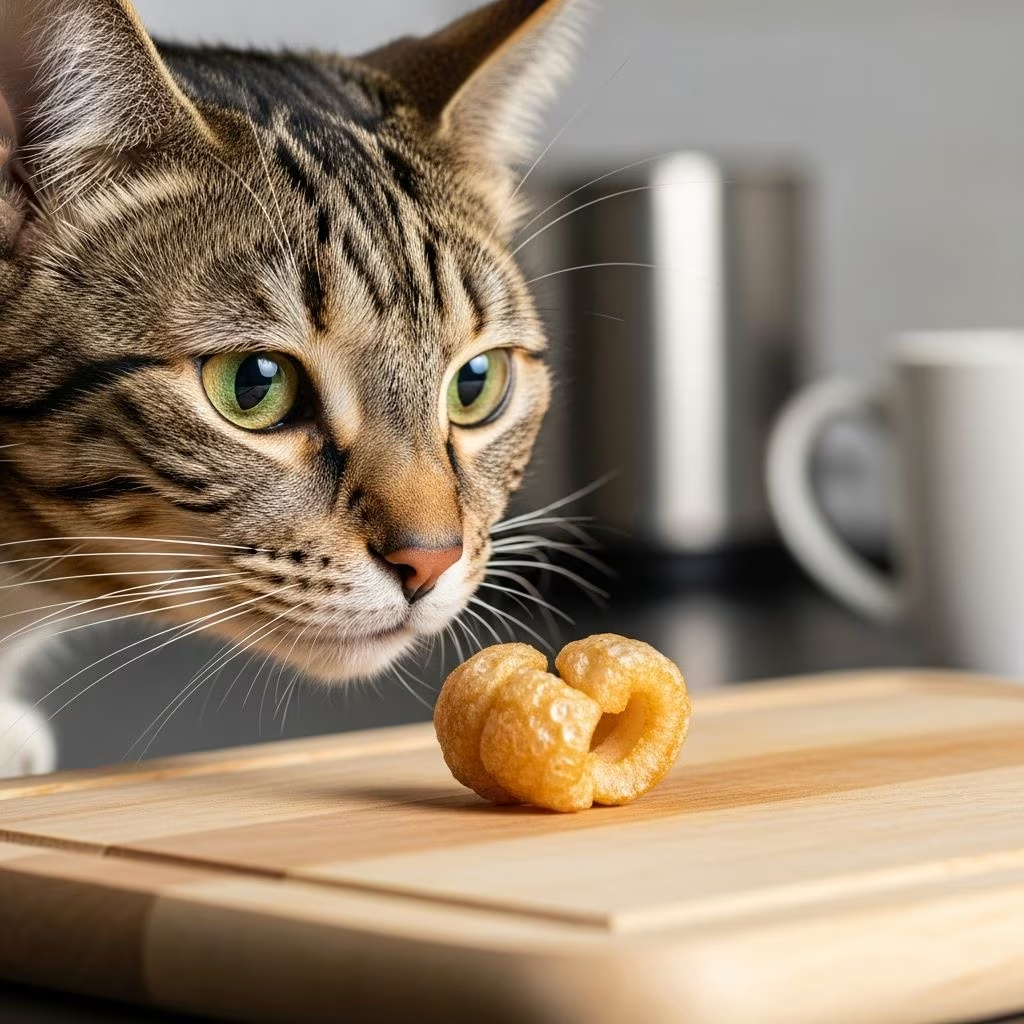
Cats can eat plain, unseasoned pork rinds in very small amounts occasionally, but they are not a healthy or recommended treat due to high sodium, fat, and lack of essential nutrients.
Pork rinds, made from fried or roasted pig skin, appeal to cats as obligate carnivores needing animal-based protein. However, their processed nature makes them unsuitable for regular consumption. This comprehensive guide explores the nutritional profile, potential benefits, significant risks, and veterinary advice to help cat owners make informed decisions.
What Are Pork Rinds?
Pork rinds, also known as pork scratchings or chicharrones, are crispy snacks produced by frying or roasting pork skin until it puffs up. The process renders out much of the fat, leaving a high-protein, crunchy texture popular among humans.
For cats, the appeal lies in the meaty origin and crunch, mimicking their natural prey. However, commercial pork rinds often include added salt, spices, or flavorings toxic to felines, such as garlic, onion, or artificial preservatives. Always select plain varieties without seasonings.
- Production process: Pork skin is cleaned, boiled, dried, then deep-fried at high temperatures.
- Texture: Puffed and airy, providing sensory satisfaction for cats who enjoy crunching on treats.
- Availability: Found in grocery stores, often flavored; opt for unflavored to minimize risks.
Understanding the makeup is crucial, as the frying in oil contributes to elevated fat content, impacting feline health differently than raw meat.
Are Pork Rinds Healthy for Cats?
Pork rinds offer limited nutritional value for cats, providing protein and fat but lacking vitamins, minerals, and complete amino acids needed for optimal health. They should never replace balanced commercial cat food formulated to meet AAFCO standards.
As obligate carnivores, cats derive energy primarily from animal proteins and fats, not carbohydrates. Pork rinds align partially with this by being carb-free.
Nutritional Benefits
Pork rinds contain high levels of protein, essential for muscle maintenance, energy, and taurine synthesis—critical for heart and eye health in cats.
- Protein: Approximately 50-60% by weight, supporting lean muscle mass and satiety.
- Fat: Provides fatty acids for skin, coat health, and wound healing; energy-dense at 9 kcal per gram.
- No carbohydrates: Cats inefficiently metabolize carbs; absence avoids unnecessary energy spikes.
- Zero sugar and low fiber: Prevents digestive upset from indigestible plant fibers or sugars cats can’t process well.
These attributes make small nibbles tolerable, but pork rinds are incomplete proteins, deficient in key amino acids like methionine, taurine precursors, tryptophan, and histidine. Cats require taurine supplementation from complete sources, absent here.
Nutritional Breakdown Table
| Nutrient | Per 100g (Approx.) | Benefit for Cats |
|---|---|---|
| Protein | 50-60g | Muscle repair, energy |
| Fat | 30-40g | Coat health, energy |
| Sodium | 500-2000mg | Risk: Excessive intake |
| Carbs | 0g | Ideal for carnivores |
| Fiber | 0g | No digestive bulk |
| Vitamins/Minerals | Minimal | Lacking essentials |
Data synthesized from typical pork rind profiles; values vary by brand. Treats should comprise less than 10% of daily calories to avoid nutritional imbalances.
Why Are Pork Rinds Bad for Cats?
Despite benefits, pork rinds pose health risks from high sodium, saturated fats, cholesterol, and processing. Overfeeding leads to serious issues, especially in kittens, seniors, or cats with pre-existing conditions.
High Sodium Content
Commercial pork rinds pack 500-2000mg sodium per 100g, far exceeding a cat’s daily need of 200-400mg. Excess causes salt poisoning: thirst, vomiting, diarrhea, seizures, or death in severe cases.
- Symptoms: Increased urination, lethargy, tremors.
- Vulnerable groups: Cats with heart, kidney disease.
ASPCA recommends immediate vet contact for suspected salt toxicity.
Excessive Fat and Cholesterol
Saturated fats and cholesterol promote obesity, pancreatitis, diabetes, and cardiovascular strain. Cats on pork rinds gain weight rapidly due to calorie density without fiber for satiety.
- Obesity risk: Leads to joint issues, diabetes.
- Pancreatitis: Inflammation from fat overload causes vomiting, abdominal pain.
Nutrient Deficiencies and Digestive Issues
Lacking vitamins (A, D, E), minerals (calcium, phosphorus), and fiber, pork rinds disrupt balanced diets. Sudden introduction causes vomiting, diarrhea; kittens’ sensitive guts amplify risks. Avoid entirely for kittens under 1 year.
Seasonings and Additives
Flavored varieties contain garlic, onion (toxic, causing anemia), spices (GI upset), or sugars (diabetes risk). Stick to plain only.
Can Kittens Eat Pork Rinds?
No, kittens should not eat pork rinds. Their developing digestive systems, higher nutrient needs, and smaller size make them prone to dehydration, toxicity, and imbalances. Focus on kitten-specific formulas rich in DHA for brain development.
Alternatives to Pork Rinds for Cats
Opt for vet-approved treats providing complete nutrition without risks.
- Commercial cat treats: Freeze-dried meat, low-calorie options.
- Homemade: Plain cooked chicken, turkey (no skin/bones/seasoning).
- Vegetable bits: Small amounts of steamed carrot, pumpkin for fiber.
- Interactive toys: Puzzle feeders with kibble to mimic hunting.
High-protein, low-carb canned foods excel for obligate carnivores. Consult vets for personalized recommendations.
How to Safely Feed Pork Rinds to Cats
If offering, limit to 1-2 small pieces weekly for a 10lb cat, ensuring plain and fresh. Monitor for adverse reactions; discontinue if issues arise.
- Portion: Pea-sized for treats.
- Frequency: Occasional, not daily.
- Preparation: Break into tiny, non-chokable pieces.
- Post-feeding: Provide fresh water; watch 24-48 hours.
Integrate gradually into diet; abrupt changes upset stomachs.
Frequently Asked Questions (FAQs)
Are pork rinds toxic to cats?
No, plain pork rinds aren’t toxic but high sodium/fat makes them harmful in excess. Seasoned ones may contain toxins.
Can cats eat pork rinds occasionally?
Yes, tiny amounts for adults; avoid for kittens/pregnant cats.
Why do cats like pork rinds?
High protein/fat mimics prey; crunch satisfies chewing instinct.
What if my cat ate a pork rind?
One piece usually fine; monitor for vomiting, lethargy. Call vet if many consumed.
Are there healthier pork-based treats?
Plain boiled pork in moderation; better: commercial cat treats.
Final Thoughts
Plain pork rinds can be an rare, accidental treat if stolen from your plate, but they’re not ideal due to nutritional gaps and risks like sodium toxicity and obesity. Prioritize balanced cat food and vet-recommended treats for long-term health. If dietary concerns arise, consult a veterinarian promptly—services like PangoVet offer convenient online advice. Responsible snacking keeps your feline thriving.
References
- Can Cats Eat Pork Rinds? Vet-Reviewed Facts & FAQ — Catster. 2023. https://www.catster.com/nutrition/can-cats-eat-pork-rinds/
- Can Cats Eat Pork Rinds? Vet-Reviewed Nutritional Facts — Hepper. 2023. https://articles.hepper.com/can-cats-eat-pork-rinds/
- Can Cats Eat Pork? — Chewy Pet Education. 2023. https://www.chewy.com/education/cat/food-and-nutrition/can-cats-eat-pork
- Can Cats Eat Pork? Is It Safe for Your Feline Friend? — Feline Fancy. 2023. https://felinefancy.co.uk/blogs/cat-care-tips/can-cats-eat-pork
- Can Cats Eat Pork? — Cats.com. 2023. https://cats.com/can-cats-eat-pork



