

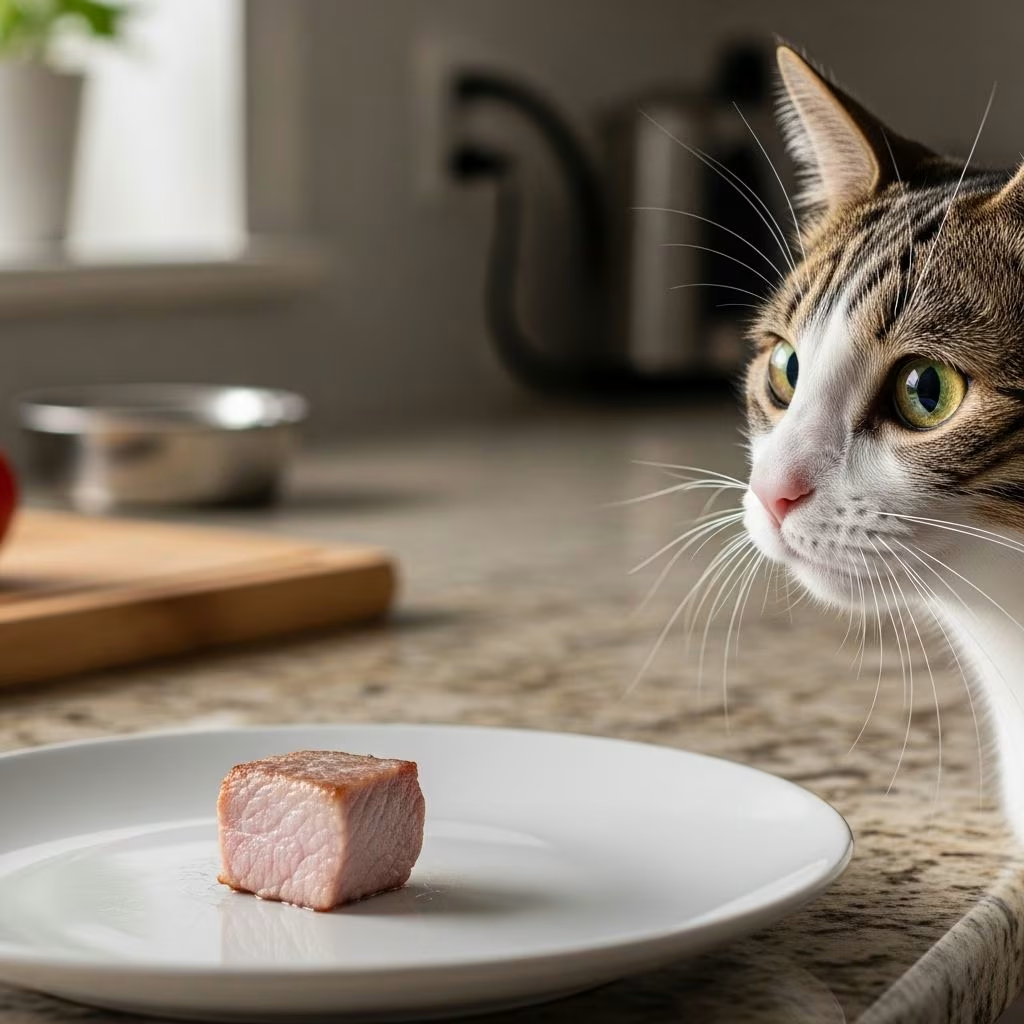
Can Cats Eat Pork? A Complete Nutritional Guide
As a cat owner, you’ve likely wondered whether your feline companion can enjoy the same foods you do. Pork is a popular protein source for humans, and since cats are carnivores, it’s reasonable to ask: can cats eat pork? The straightforward answer is yes, cats can eat pork, but understanding the proper preparation and portion sizes is essential for their health and safety. Plain, lean, thoroughly cooked pork without seasonings or sauces is generally safe for cats in small amounts. However, certain types of pork products and preparation methods can pose serious health risks to your furry friend.
Is Pork Safe for Cats?
Cooked pork is generally considered safe for cats when prepared correctly. Since cats are obligate carnivores, they thrive on animal-based proteins, making pork a nutritionally appropriate food choice. The key to safety lies in how you prepare and serve it. Plain, unseasoned, cooked pork is a healthy addition to your cat’s diet, while processed varieties and improper preparation methods can cause significant health problems.
Your cat’s digestive system is well-equipped to handle pork, as cats naturally consume animal meat in the wild. However, cats have evolved differently from humans and have specific nutritional requirements that must be met through careful food selection.
Health Benefits of Pork for Cats
High-Quality Protein Source
One of the most significant benefits of pork for cats is its exceptional protein content. One hundred grams of cooked pork contains approximately 27 grams of protein, making it an excellent source of this essential nutrient. Protein is vital for maintaining your cat’s muscle mass, supporting tissue repair, and providing energy for daily activities. Since cats are obligate carnivores, they require a diet rich in animal protein to maintain optimal health and physical condition.
Pork provides all nine essential amino acids that cats need to obtain from their diet. These amino acids serve as the building blocks of protein and are necessary for various biological processes, including muscle development, immune function, and nutrient absorption.
Essential Vitamins and Minerals
Beyond protein, pork offers numerous vitamins and minerals that support your cat’s overall health. Pork is particularly rich in B vitamins, including thiamine, niacin, and riboflavin, which play crucial roles in energy metabolism and cellular function. Thiamine is especially important because cats cannot efficiently produce this vitamin on their own, making dietary sources essential.
The mineral content of pork is equally impressive. Pork contains phosphorus, selenium, potassium, and zinc—all of which support critical bodily functions. These minerals contribute to bone health, immune function, hormone regulation, and metabolic processes. The combination of these nutrients makes pork a nutrient-dense addition to your cat’s diet.
Taurine Content
Taurine is an amino acid that cats absolutely need for survival, and pork is a natural source of this vital nutrient. Unlike many other animals, cats cannot synthesize taurine efficiently on their own and must obtain it from their diet. Taurine is essential for maintaining a healthy heart, supporting vision, and bolstering immune function. Without adequate taurine, cats can develop serious health conditions, including an enlarged heart (dilated cardiomyopathy) and vision problems.
Easy Digestion and Low Allergenicity
Pork is easily digestible for most cats and usually does not trigger allergic reactions. For cats with sensitive stomachs or food sensitivities to more common protein sources like chicken or beef, pork can be an excellent alternative. If your cat experiences digestive issues such as loose stools or constipation with their current diet, introducing properly prepared pork may help resolve these problems.
Risks and Precautions
Raw Pork and Parasite Risks
The most serious concern with feeding pork to cats is the risk of parasitic infection if the meat is raw or undercooked. Raw pork, regardless of how carefully it’s inspected, can contain dangerous parasites like Trichinella spiralis, which causes trichinosis. These microscopic worms settle in the muscle tissue and can develop into a serious infection with no known cure. Symptoms of trichinosis include complications affecting the heart, brain, and lungs—potentially leading to severe illness or death in cats.
Cooking pork thoroughly destroys these parasitic worms and makes the meat safe for your cat to consume. This is why raw pork should never be fed to cats, even in small amounts. The only exception is store-bought raw cat food that has undergone high-pressure processing to kill harmful microbes.
Processed Pork Products
Processed pork products such as bacon, ham, sausage, and other cured meats are not appropriate for cats. These products are typically high in salt, preservatives, and seasonings that can harm your feline companion. Excessive salt intake can cause increased thirst and urination in cats, and in severe cases, can lead to salt poisoning. Additionally, many processed pork products contain ingredients like onion and garlic powder, which are toxic to cats.
Fatty Pork and Obesity Risk
While occasional pork treats are acceptable, regularly feeding your cat fatty pork can lead to weight gain and obesity. Obesity in cats increases the risk of several serious health conditions, including joint problems, diabetes, and heart disease. Always choose lean cuts of pork, such as tenderloin or loin chops, and feed them in moderation as part of a balanced diet.
Bone Hazards
Pork bones, especially once cooked, can splinter easily and pose serious risks to your cat. These fragments can cause choking hazards or blockages in the digestive tract, potentially requiring emergency veterinary surgery. Always remove all bones before serving pork to your cat, without exception.
How to Safely Prepare Pork for Your Cat
Preparing pork safely for your cat requires attention to several important details:
- Choose lean cuts: Select lean portions of pork such as tenderloin or loin chops, avoiding fatty sections that can cause digestive upset and obesity.
- Cook thoroughly: Cook the pork completely to destroy parasites and bacteria. Ensure no pink remains in the meat and that it reaches a safe internal temperature.
- Avoid seasonings: Never add salt, garlic, onion, spices, sauces, or marinades to your cat’s pork. Plain pork is the safest option.
- Remove all bones: Carefully remove every bone before serving, as cooked bones can splinter and cause serious harm.
- Portion control: Offer pork in small amounts as an occasional treat, not as a meal replacement.
- Cool before serving: Allow the cooked pork to cool to room temperature before offering it to your cat.
How Much Pork Should You Feed Your Cat?
While pork can be a nutritious addition to your cat’s diet, moderation is essential. Pork should not become the primary protein source in your cat’s diet. Instead, it should be offered as an occasional treat within a well-balanced diet that primarily consists of high-quality commercial cat food formulated to meet all feline nutritional requirements, or homemade recipes developed by a veterinary nutritionist.
The exact amount depends on your individual cat’s size, age, and overall health. As a general rule, treats should comprise no more than 10% of your cat’s daily caloric intake. If you’re unsure about appropriate portion sizes for your specific cat, consult with your veterinarian for personalized recommendations.
Pork vs. Other Protein Sources for Cats
| Protein Source | Benefits | Considerations |
|---|---|---|
| Pork | High protein, contains taurine and B vitamins, easily digestible | Must be cooked thoroughly, can be fatty, avoid processed varieties |
| Chicken | Lean protein, low fat, high taurine | Common allergen for some cats |
| Turkey | High protein, lean, good taurine content | Must be plain and unseasoned |
| Beef | Excellent protein source, contains iron | Can be fatty, more expensive |
| Fish | High protein, omega-3 fatty acids | Can contain mercury, should be occasional only |
Special Considerations for Cats with Dietary Issues
Cats with food sensitivities or allergies may benefit from pork as a protein source. If your cat experiences digestive problems with their current diet or has been diagnosed with food allergies, discuss with your veterinarian whether pork might be an appropriate alternative. Pork’s digestibility and low allergenicity make it suitable for cats with sensitive stomachs.
However, even for cats with dietary restrictions, pork should be incorporated gradually and under veterinary guidance. Monitor your cat for any adverse reactions after introducing pork, including vomiting, diarrhea, or changes in eating habits.
When to Avoid Pork
Certain situations call for avoiding pork entirely:
- If your cat has kidney disease or other conditions requiring protein restriction as directed by a veterinarian
- If your cat has a history of pancreatitis, as fatty foods can trigger recurrence
- If your cat has specific food allergies or sensitivities your veterinarian has identified
- If pork is seasoned, processed, or prepared with harmful ingredients
Frequently Asked Questions
Q: Can cats eat bacon?
A: No, bacon is not appropriate for cats. Bacon has high fat and salt content that can be harmful to your feline companion. The processed nature of bacon, combined with added seasonings and preservatives, makes it unsuitable for cats.
Q: Can cats eat pork rinds?
A: No, cats should not eat pork rinds. Pork rinds are typically very high in salt and fat, both of which can be harmful to cats. These crispy snacks offer no nutritional benefit to your cat and pose potential health risks.
Q: Is it safe for cats to eat pork floss?
A: While cats can occasionally have pork floss in very small amounts, it is not recommended. Pork floss typically contains salt and harmful preservatives and additives like onion and garlic powder, all of which are unhealthy for cats. The ingredients make it unsuitable as a regular treat.
Q: Can cats die from eating pork?
A: Raw pork could potentially cause serious illness or even death in cats if it is contaminated with parasites like Trichinella spiralis. This is why thorough cooking is absolutely essential before serving any pork to your cat.
Q: How often can I feed my cat pork?
A: Pork should be offered occasionally as a treat, not regularly or as a meal replacement. Most cats can safely enjoy a small amount of plain, cooked pork once or twice per week, but individual cats may have different tolerances. Always consult your veterinarian about appropriate treat frequency for your specific cat.
Q: Can kittens eat pork?
A: Kittens can eat plain, cooked pork, but their primary nutrition should come from high-quality kitten food formulated for their growth and developmental needs. Any pork treats should be very small and offered rarely. Always consult your veterinarian before introducing new foods to kittens.
Conclusion: Should You Feed Your Cat Pork?
The answer to “Can cats eat pork?” is yes, as long as the pork is properly cooked, lean, and not overly processed. Pork offers numerous nutritional benefits for cats, including high-quality protein, essential amino acids, taurine, and important vitamins and minerals. However, you must follow strict preparation guidelines to ensure your cat’s safety.
Remember these key points: always feed plain, cooked pork without seasonings or sauces; avoid raw pork and processed pork products; choose lean cuts and remove all bones; and practice moderation to prevent obesity. While pork can be a healthy occasional treat, it should never replace a balanced diet of high-quality commercial cat food or veterinary-approved homemade recipes.
When in doubt about incorporating any new food into your cat’s diet, including pork, consult with your veterinarian. Your vet can provide personalized recommendations based on your cat’s individual health status, age, and nutritional needs. With proper preparation and moderation, pork can be a safe and nutritious addition to your cat’s diet.
References
- Can Cats Eat Pork? Benefits, Risks, and Safe Feeding Tips — BasePaws. https://basepaws.com/blog/can-cats-eat-pork
- Benefits of Pork in Your Cat’s Diet | Veterinarian Recommendations — Vital Essentials. https://www.vitalessentials.com/raw-guide/the-surprising-benefits-of-pork-in-your-cat-s-diet-why-veterinarians-recommend-including-pork-in-your-cat-s-meal-plan
- Can Cats Eat Pork? – Chewy — Chewy. https://www.chewy.com/education/cat/food-and-nutrition/can-cats-eat-pork
- Can Cats Eat Pork? – Under the Weather Pet — Under the Weather Pet. https://www.undertheweatherpet.com/blogs/under-the-weather/can-cats-eat-pork



