

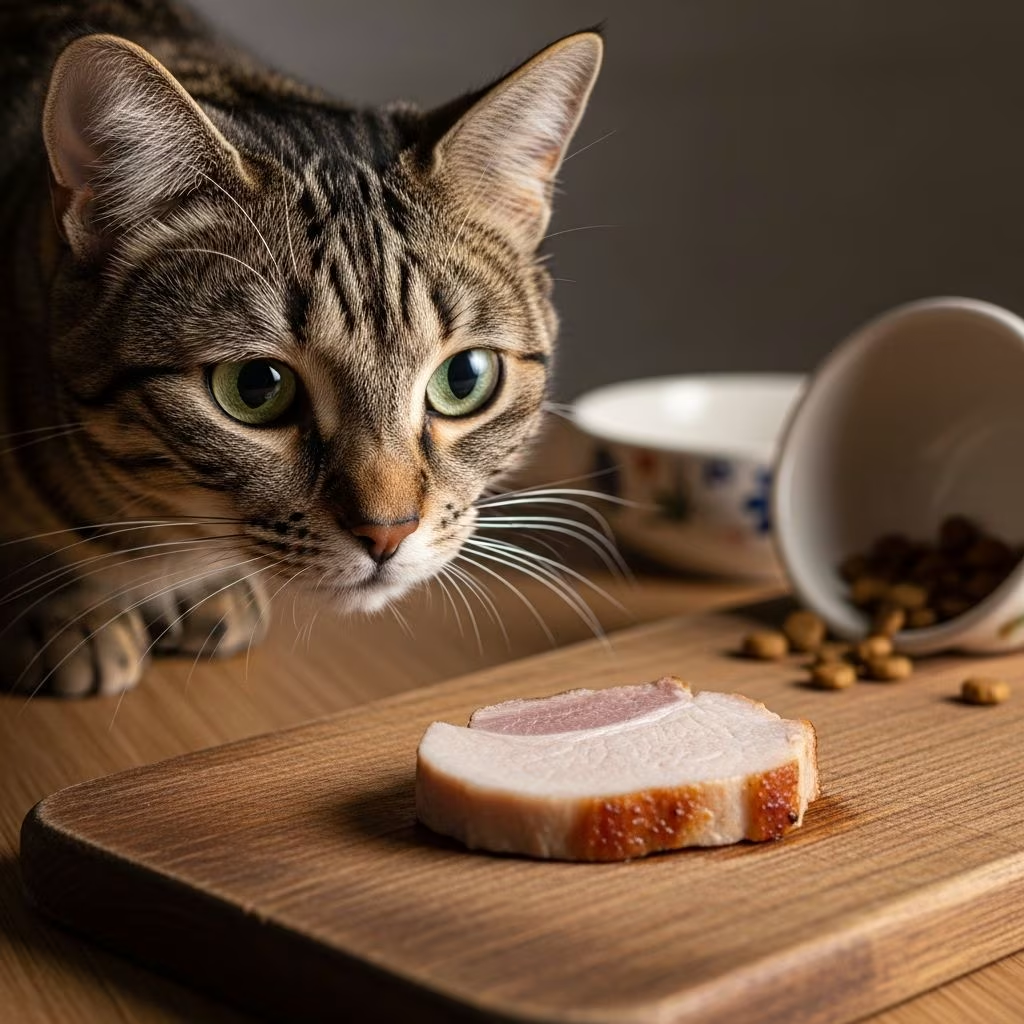
Cats are obligate carnivores, meaning their diet must primarily consist of animal-based proteins to meet their unique nutritional needs. Pork, as a meat source, raises questions among cat owners: is it safe, beneficial, or potentially harmful? This comprehensive guide explores whether cats can eat pork, delving into its nutritional profile, health benefits, associated risks, safe preparation methods, and feeding recommendations.
Is Pork Safe for Cats?
Cooked pork is generally safe for cats when fed in moderation and properly prepared. As an animal protein, it aligns with a cat’s carnivorous requirements, providing essential nutrients like protein and taurine that support heart health, vision, and immune function. However, safety hinges on cooking thoroughly to eliminate parasites, removing bones to prevent choking, and avoiding seasonings, salt, or fats that could harm feline health. Raw pork poses significant dangers due to potential bacterial and parasitic contamination, making it unsuitable for cats.
Nutritional Benefits of Pork for Cats
Pork offers several nutritional advantages that can complement a cat’s diet when used occasionally.
High-Quality Protein Source
Pork is rich in high-quality protein, with approximately 27 grams per 100 grams of cooked pork, essential for muscle maintenance, energy, growth, and tissue repair in cats. As obligate carnivores, cats derive vital amino acids like taurine and arginine from meat sources; pork provides these building blocks for enzyme production, hormone regulation, and immune function. Unlike plant-based proteins, animal proteins like pork are complete, containing all nine essential amino acids cats cannot synthesize themselves.
Essential Vitamins and Minerals
Beyond protein, pork supplies key vitamins and minerals. It is a good source of thiamine (vitamin B1), which cats cannot produce efficiently and need for metabolism; deficiency can lead to serious neurological issues. Other nutrients include niacin, riboflavin, phosphorus, selenium, zinc, potassium, and iron, supporting growth, metabolism, immune health, and antioxidant protection. These micronutrients aid in overall feline well-being, making lean pork a valuable occasional treat.
Taurine Content and Heart Health
Taurine, an amino acid critical for cats, is present in pork and helps prevent dilated cardiomyopathy (enlarged heart), retinal degeneration, and immune deficiencies. While commercial cat foods are fortified with taurine, natural sources like pork reinforce dietary intake, especially for cats on varied homemade diets.
Risks and Dangers of Feeding Pork to Cats
Despite its benefits, pork carries risks if not handled correctly, emphasizing the need for caution.
Raw Pork and Parasite Risks
Raw pork can harbor parasites like Trichinella spiralis (trichinae), leading to trichinosis—a potentially fatal condition affecting muscles, heart, brain, and lungs with no cure. Bacteria such as Salmonella also pose risks of digestive upset or severe illness. Cooking pork to an internal temperature of at least 160°F (71°C) kills these pathogens, rendering it safe.
High Fat Content and Obesity
Pork, particularly cuts like pork belly or ribs, is high in fat, which can cause weight gain, obesity, diabetes, and pancreatitis—an inflammation leading to vomiting, diarrhea, and pain. Fatty meals displace protein density, reducing nutritional value while increasing caloric intake. Limit to lean cuts like tenderloin, and feed sparingly to avoid these issues.
Salt and Processed Pork Hazards
Processed pork products (bacon, ham, sausage) are laden with salt, preservatives, nitrates, and spices like garlic or onion, which are toxic to cats and can cause salt poisoning, dehydration, hypertension, or hemolytic anemia. High sodium leads to excessive thirst and urination; severe cases risk neurological symptoms. Avoid all cured, smoked, or seasoned pork entirely.
Bone and Choking Dangers
Pork bones, especially cooked, splinter easily, posing choking hazards, mouth injuries, or intestinal blockages. Always debone pork before offering it to cats.
How to Safely Feed Pork to Your Cat
To harness pork’s benefits while minimizing risks, follow these guidelines:
- Choose lean cuts: Opt for pork loin or tenderloin over fatty ribs or bacon.
- Cook thoroughly: Bake, grill, or boil without oils, salts, spices, or seasonings. Ensure no pink remains.
- Debone completely: Remove all bones, cartilage, and skin.
- Portion control: Treats should not exceed 10% of daily calories; a few small pieces (e.g., 1-2 teaspoons for a 10-lb cat) occasionally.
- Monitor health: Watch for digestive issues, lethargy, or weight gain; consult a vet if concerns arise.
For cats with sensitivities, pork’s digestibility makes it suitable, but introduce gradually. Store-bought raw pork cat foods using high-pressure processing may be safer alternatives.
Pork in a Balanced Cat Diet
Pork should not replace commercial cat food, which is formulated for complete nutrition. Use it as an occasional topper or treat to vary protein sources, especially for picky eaters or those with allergies to chicken/beef. A balanced diet includes 40-50% protein, moderate fat, minimal carbs, and taurine supplementation if needed. Combine with vet-recommended foods for optimal health. Over-reliance on pork risks imbalances due to its fat profile.
| Nutrient | Benefit for Cats | Amount in 100g Cooked Pork (approx.) |
|---|---|---|
| Protein | Muscle repair, energy | 27g |
| Taurine | Heart, eye health | Present |
| Thiamine (B1) | Metabolism | High |
| Fat | Energy (in moderation) | Variable, high in some cuts |
Alternatives to Pork for Cats
If pork concerns you, safer proteins include:
- Chicken or turkey: Lean, taurine-rich, low-fat.
- Fish (cooked salmon/tuna): Omega-3s for coat health.
- Beef: Iron-rich, but trim fat.
- Commercial treats: Vet-approved, low-calorie options.
Avoid toxic foods: onions, garlic, grapes, chocolate.
Frequently Asked Questions (FAQs)
Can cats eat bacon?
No, bacon is high in fat, salt, and nitrates, risking pancreatitis, obesity, and salt toxicity.
Is raw pork safe for cats?
No, raw pork risks trichinosis and bacterial infections; always cook thoroughly.
Can cats eat pork ribs or bones?
No, bones splinter and cause choking or blockages; meat only, deboned.
How much pork can a cat eat?
Small amounts occasionally (10% of diet max); e.g., pea-sized pieces for treats.
Is pork good for cats with allergies?
Yes, often recommended as a novel protein for sensitive stomachs.
Can pork cause pancreatitis in cats?
Yes, high fat content can trigger it; stick to lean cuts.
Conclusion: Should You Feed Pork to Cats?
Yes, cats can eat plain, cooked, lean pork in moderation as a treat, offering protein, taurine, and vitamins without replacing their balanced diet. Prioritize safety by avoiding raw, processed, or seasoned varieties. Consult your veterinarian for personalized advice, especially for kittens, seniors, or cats with health conditions. With proper preparation, pork can be a healthy, enjoyable addition to your feline friend’s menu.
References
- Can Cats Eat Pork? Benefits, Risks, and Safe Feeding Tips — Basepaws. 2023. https://basepaws.com/blog/can-cats-eat-pork
- Can Cats Eat Pork? — Cats.com. 2024. https://cats.com/can-cats-eat-pork
- The Surprising Benefits of Pork in Your Cat’s Diet — Vital Essentials. 2023. https://www.vitalessentials.com/raw-guide/the-surprising-benefits-of-pork-in-your-cat-s-diet-why-veterinarians-recommend-including-pork-in-your-cat-s-meal-plan
- Can Cats Eat Pork? — Under the Weather Pet. 2024. https://www.undertheweatherpet.com/blogs/under-the-weather/can-cats-eat-pork
- Can Cats Eat Pork? — Chewy. 2024. https://www.chewy.com/education/cat/food-and-nutrition/can-cats-eat-pork



