

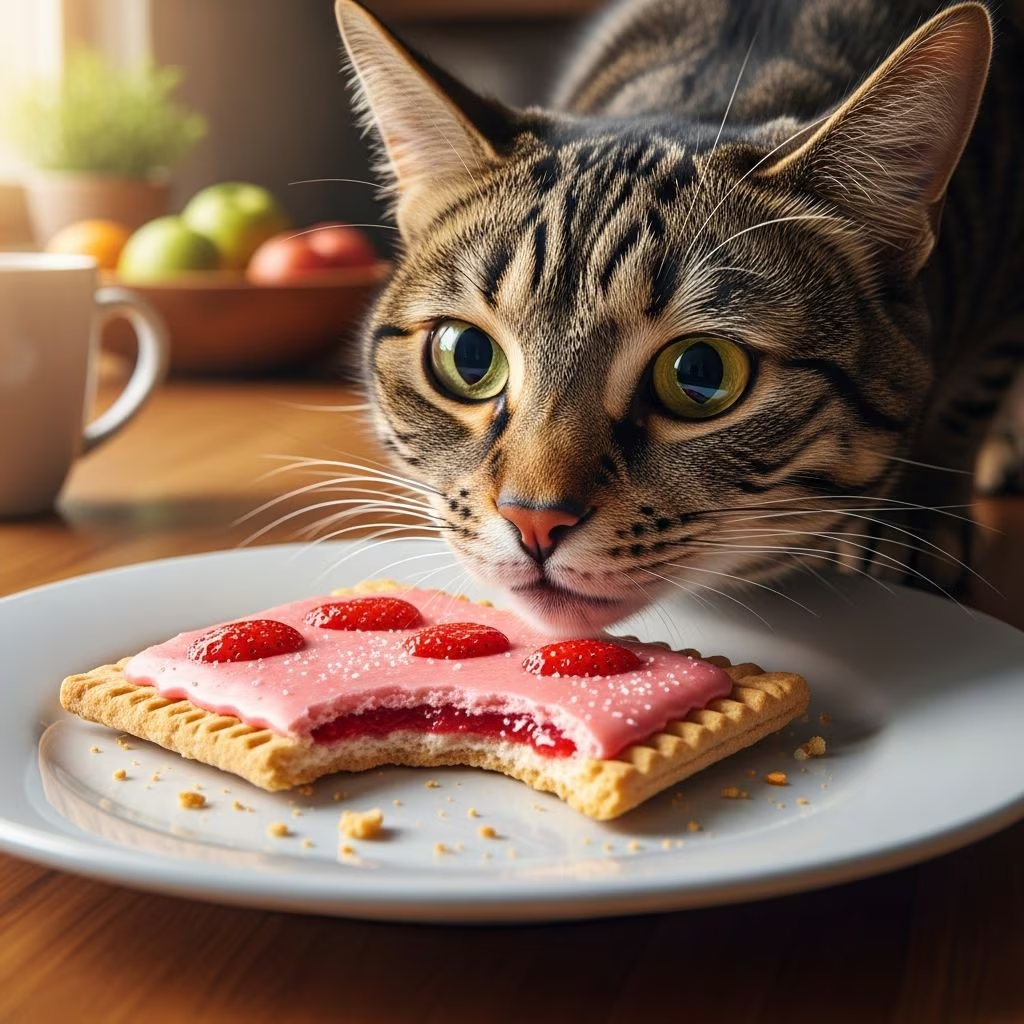
Pop-Tarts, the popular toaster pastries enjoyed by many humans, pose significant risks to cats and should not be part of their diet. While a small accidental bite might not cause immediate harm in most cases, these sugary, processed treats offer no nutritional value to felines and can lead to digestive upset, obesity, and more serious conditions over time.
Quick Answer: Can Cats Eat Pop-Tarts?
No, cats should not eat Pop-Tarts. As obligate carnivores, cats require a high-protein, low-carbohydrate diet, and Pop-Tarts are loaded with sugars, refined flours, artificial flavors, and preservatives that their bodies cannot process efficiently. Some varieties contain chocolate or other toxic ingredients, making them outright dangerous.
- High sugar content: Leads to digestive issues like vomiting and diarrhea.
- Artificial additives: Can cause allergies or irritation.
- Potential toxins: Chocolate or xylitol in certain flavors is poisonous to cats.
Even flavors without obvious toxins, like frosted strawberry, are unhealthy due to excessive fats and carbs, contributing to weight gain and diabetes risk.
Are Pop-Tarts Safe for Cats?
Pop-Tarts are not safe for cats. These shelf-stable pastries are designed for human consumption, featuring a flaky crust filled with fruit-flavored gels, topped with icing, and packed with preservatives for long shelf life. A typical Pop-Tart contains around 35-40 grams of sugar per serving—far exceeding what a cat’s metabolism can handle.
Cats lack sufficient amylase enzymes to break down starches and sugars, leading to fermentation in the gut and subsequent gastrointestinal distress. Veterinary experts emphasize that while cats may show interest in human food out of curiosity, their nutritional needs are strictly carnivorous.
| Pop-Tart Component | Why Unsafe for Cats |
|---|---|
| Sugar (35g+ per pastry) | Causes hyperglycemia, diarrhea, obesity |
| Enriched Flour & Corn Syrup | Indigestible carbs lead to bloating, gas |
| Artificial Colors/Flavors | Potential allergens, hyperactivity |
| Palm Oil & Hydrogenated Fats | Contributes to pancreatitis, heart issues |
| Chocolate (some varieties) | Toxic; causes tremors, seizures |
Vets note that even “natural” seeming ingredients like soybean oil or dextrose disrupt feline gut flora. The consensus from pet health sites is clear: avoid entirely for optimal cat health.
Potential Health Risks of Feeding Pop-Tarts to Cats
Feeding Pop-Tarts to cats can trigger immediate and long-term health problems. Short-term effects stem from the inability to digest sugars and fats, while chronic exposure exacerbates metabolic disorders.
Short-Term Risks
- Digestive Upset: Vomiting, diarrhea, and abdominal pain within hours due to sugar overload.
- Lethargy & Dehydration: From fluid loss during diarrhea; cats may become unusually thirsty.
- Allergic Reactions: Itching, swelling, or respiratory issues from preservatives like TBHQ.
Long-Term Risks
- Obesity: High-calorie treats (200+ kcal per Pop-Tart) lead to fat accumulation, joint strain, and reduced mobility.
- Diabetes Mellitus: Repeated sugar spikes damage pancreatic beta cells, requiring insulin therapy.
- Pancreatitis: Fat content inflames the pancreas, causing severe pain and recurrent episodes.
- Dental Issues: Sticky sugars promote tartar buildup and gingivitis.
In severe cases, if a chocolate-flavored Pop-Tart is ingested, theobromine toxicity can cause rapid heart rate, tremors, and seizures. Xylitol in low-sugar variants drops blood sugar dangerously, potentially fatal without treatment.
Why Cats Should Avoid Sugary and Processed Foods
Cats evolved as hunters, deriving nearly all energy from animal proteins and fats. Their taste buds lack receptors for sweetness, explaining why they often ignore or reject sugary foods despite human assumptions of appeal.
Processed foods like Pop-Tarts disrupt this balance:
- Nutritional Imbalance: Zero taurine, arachidonic acid, or preformed vitamin A—essential for cat heart, vision, and skin health.
- Gut Microbiome Disruption: Excess carbs feed harmful bacteria, leading to chronic inflammation.
- Caloric Density Without Satiety: Cats overeat empty calories, ignoring balanced kibble or wet food.
Studies on feline nutrition confirm obligate carnivores thrive on <10% carbs; Pop-Tarts exceed 70%. Opt for AAFCO-approved cat foods to meet species-specific needs.
Nutritional Breakdown: Pop-Tarts vs. Cat Needs
| Nutrient | Pop-Tart (per serving) | Cat Daily Requirement (avg. 4kg cat) | Impact |
|---|---|---|---|
| Protein | 3g | 20-30g | Insufficient; muscle wasting risk |
| Fat | 9g | 10-15g | Excess; pancreatitis |
| Carbs/Sugar | 70g / 35g | <5g | Toxic overload |
| Calories | 200 | 200-250 total | Exceeds daily needs |
How to Handle Accidental Pop-Tart Consumption
Accidents happen—cats are agile counter-surfers. If your cat eats Pop-Tart:
- Assess Amount & Flavor: Note ingredients; chocolate or xylitol varieties demand immediate vet contact.
- Monitor Symptoms (24-48 hours): Vomiting, diarrhea, tremors, lethargy, increased thirst, or seizures.
- Hydrate: Offer fresh water; withhold food 12 hours if mild upset.
- Call Vet: For any symptoms or large amounts. Provide weight, amount eaten, time elapsed.
- Prevent Future Incidents: Store snacks in cat-proof cabinets, secure trash.
Most small ingestions resolve without intervention, but prompt vet advice prevents complications.
Healthy Alternatives to Pop-Tarts for Cats
Keep your cat treat-motivated with vet-safe options:
- Commercial Cat Treats: Freeze-dried meat like chicken or salmon (e.g., Stella & Chewy’s).
- DIY Treats: Plain cooked chicken, turkey, or tuna in water (no seasonings).
- Veggies: Small amounts of steamed pumpkin or green beans for fiber.
- Dental Chews: Greenies or similar for oral health.
Limit treats to 10% of daily calories. Use puzzle feeders for mental stimulation without calories.
Frequently Asked Questions (FAQs)
Can a small amount of Pop-Tart harm my cat?
A tiny lick or bite is unlikely to cause serious harm, but monitor for vomiting, diarrhea, or lethargy. Contact your vet if symptoms appear.
Are there any Pop-Tart flavors safe for cats?
No flavor is truly safe due to universal high sugar and fats. Avoid all, especially chocolate or those with xylitol.
What should I do if my cat eats a whole Pop-Tart?
Call your veterinarian or pet poison hotline immediately. Provide details on flavor, amount, and cat’s weight for tailored advice.
Why do cats seem interested in Pop-Tarts?
Curiosity or the smell of fats, not sweetness—cats can’t taste sugar.
Are there human foods safe for cats?
Yes, in moderation: plain cooked meats, small bits of cheese, or veggies like cucumber. Always vet-check first.
Conclusion
Pop-Tarts are a human indulgence best kept far from feline paws. Prioritizing a meat-based diet prevents health woes and ensures a long, vibrant life for your cat. Consult your vet for personalized nutrition advice and stock up on proper treats today.
References
- Can Cats Eat Pop-Tarts? Safety & Alternatives — Zoorithm. 2024. https://www.zoorithm.com/cats/can-cat-eat-pop-tart
- Cat Ate Pop Tart — Dial A Vet. 2024. https://www.dialavet.com/vet-answers/post/cat-ate-pop-tart-50559
- Can Cats Eat PopTarts? Vet-Reviewed Facts & FAQ — Catster. 2024. https://www.catster.com/nutrition/can-cats-eat-poptarts/
- Can Cats Eat Sweets: What You Should Know — Bond Vet. 2024. https://bondvet.com/blog/can-cats-eat-sweets-what-you-should-know-about-cats-and-sugary-treats
- Can Cats Eat Pop Tarts? Vet-Reviewed Facts & FAQ — Hepper. 2024. https://articles.hepper.com/can-cats-eat-pop-tarts/



