

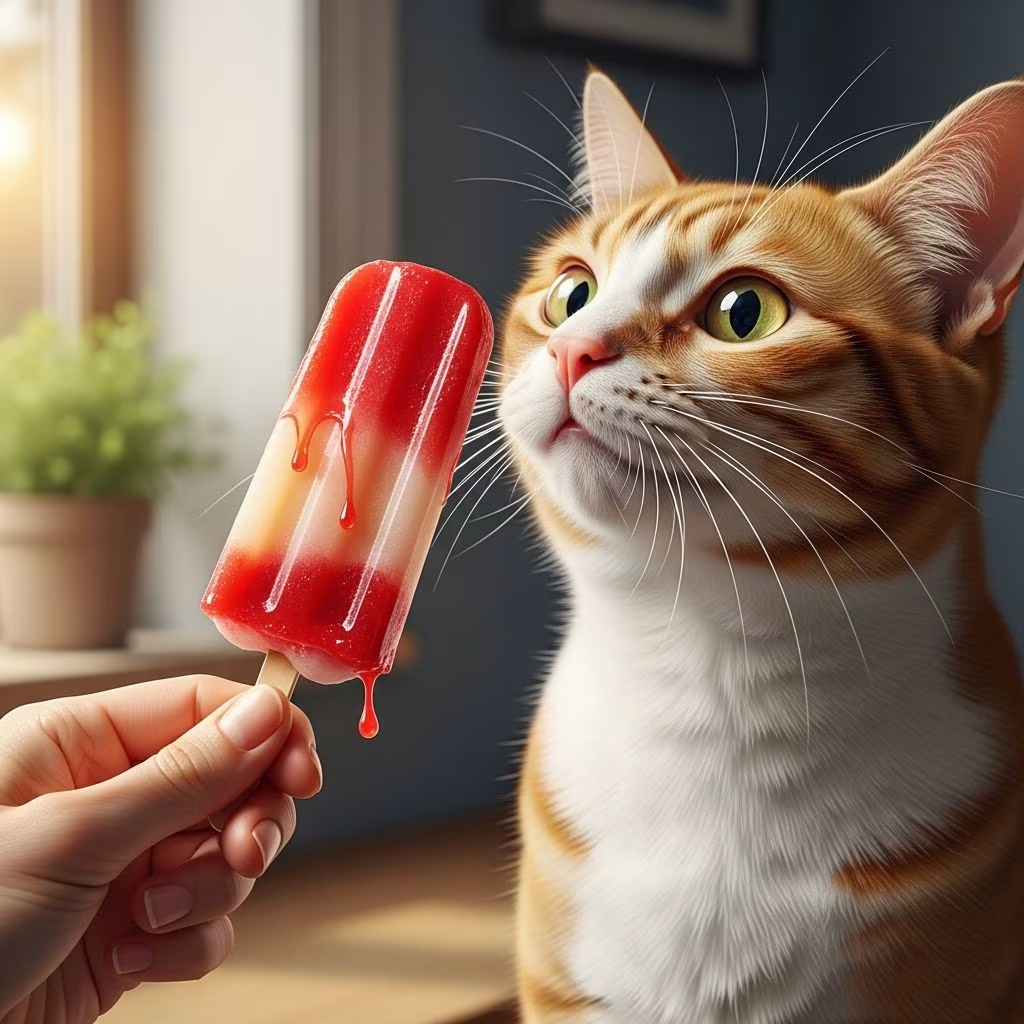
Cats cannot safely eat human popsicles due to high sugar content, dairy, artificial flavors, and potential toxic sweeteners that risk digestive upset, obesity, and diabetes in felines.
As obligate carnivores, cats lack the enzymes to process sugars and carbohydrates efficiently, making typical popsicles inappropriate despite occasional curiosity from pets. A small lick may not cause immediate harm, but regular exposure leads to health complications; instead, offer vet-approved alternatives.
Why Can’t Cats Eat Popsicles?
Human popsicles pose multiple risks because they are formulated for people, not cats’ unique nutritional needs. Key concerns include:
- Sugar Overload: Cats do not taste sweetness due to lacking sweet taste receptors and struggle to digest sugars, leading to gastrointestinal upset, weight gain, and type 2 diabetes.
- Dairy Intolerance: Most adult cats are lactose intolerant, as they lose lactase enzyme after weaning; milk-based popsicles cause vomiting, diarrhea, gas, and bloating.
- Artificial Additives: Flavors, colors, and sweeteners like xylitol (toxic to cats) irritate stomachs or worse.
- High Carbohydrates: Unnecessary for carnivorous diets, excess carbs contribute to inflammation, eyesight issues, and metabolic diseases.
Even fruit-based varieties, while less appealing to cats, contain excessive sugars without nutritional value for felines. Vet experts unanimously advise against them.
Fruit-Based Popsicles for Cats
Fruit popsicles seem innocuous but are problematic. Cats ignore sweetness, yet may lick out of curiosity. Issues include:
- High fructose causes rapid blood sugar spikes, risking obesity and diabetes over time.
- Acidic fruits like citrus or pineapple irritate sensitive stomachs.
- No dietary benefit; cats derive minimal nutrition from fruits.
A single lick is typically harmless—monitor for vomiting or lethargy—but do not encourage consumption. Keep popsicles inaccessible.
Milk-Based Popsicles for Cats
Milk or cream popsicles attract cats due to fat and protein scents, but lactose intolerance affects 65-70% of adults, leading to:
- Digestive distress: Diarrhea, bloating, excessive gas within hours.
- Dehydration from fluid loss.
Coconut milk variants fare no better without lactase. Opt for lactose-free cat milk if experimenting, but avoid human treats.
Dangers of Feeding Popsicles to Cats
Short-term effects mimic food poisoning; long-term risks compound:
| Risk Level | Symptoms/Consequences | Source |
|---|---|---|
| Immediate (1-24 hours) | Vomiting, diarrhea, gas, lethargy | |
| Medium-Term | Obesity, dental issues from sugar residue | |
| Long-Term | Diabetes, inflammation, eyesight loss |
Xylitol in sugar-free popsicles causes hypoglycemia or liver failure—emergency vet visit required. Always err on caution with novel foods.
What to Do If Your Cat Eats a Popsicle
Don’t panic for a lick or two; actions depend on amount:
- Monitor Closely (24-48 hours): Watch for vomiting, diarrhea, reduced appetite, excessive thirst, or weakness.
- Contact Vet If: Symptoms appear, large ingestion, xylitol suspected, or pre-existing conditions.
- Supportive Care: Withhold food briefly, ensure water access; no home remedies without advice.
Prevent access: Store popsicles high or in closed freezers. Early intervention averts complications.
Are There Any Benefits to Cats Eating Popsicles?
No meaningful benefits exist. Hydration claims fail as cats prefer water; nutrients are absent or imbalanced. Treats should comprise <10% daily calories from balanced cat food. Focus on species-appropriate nutrition over novelties.
Cat-Safe Alternatives to Popsicles
Create frozen treats using cat-friendly ingredients for safe cooling:
- Tuna or Chicken Water Ice Cubes: Freeze drained water from canned fish/chicken (low-sodium, no-salt-added). Provides protein, hydration.
- Low-Sodium Broth Pops: Chicken/fish broth in trays; hydrating, low-calorie.
- Berry Puree (Seedless): Watermelon/blueberries pureed, frozen small portions; antioxidants, introduce gradually.
- High-Protein Wet Food Mix: Blend wet food with lactose-free cat milk; nutrient-dense.
- Greek Yogurt (Plain, Low-Fat): For tolerant cats only; mix with broth, freeze sparingly.
Portion: 1 small cube daily max. Consult vet before new treats, especially for health issues. Store in airtight containers.
Can Cats Eat Popsicles? Frequently Asked Questions
What should I do if my cat eats popsicles accidentally?
Monitor for 24-48 hours for GI upset. Contact vet if symptoms like vomiting/diarrhea occur or if xylitol involved.
Is a small lick of popsicle harmful to cats?
Usually not immediately, but avoid repeats to prevent sugar/dairy issues.
Are there any popsicle flavors safe for cats?
No commercial flavors; meat-based homemade only.
Why are cats attracted to popsicles?
Fat/protein scents in dairy types, curiosity; they can’t taste sweet.
Can kittens eat popsicles?
No, even riskier due to developing systems; stick to kitten formula.
References
- Can Cats Eat Popsicles? Vet-Verified Facts — Huston Veterinary Clinic. 2023. https://hustonveterinary.com/can-cats-eat-popsicles/
- Can Cats Eat Popsicles? Vet-Reviewed Facts & FAQ — Catster. 2024-05-15. https://www.catster.com/nutrition/can-cats-eat-popsicles/
- Can Cats Eat Popsicles? What You Need to Know! — Hepper. 2023. https://articles.hepper.com/can-cats-eat-popsicles/
- Cat Licked Popsicle – Worries? — Dial A Vet. 2024. https://www.dialavet.com/vet-answers/cat-licked-popsicle-worries-50969
- Meowsicle Recipe: Cool Kitty Off With a Berry Cat Popsicle — Chewy. 2023-06-20. https://www.chewy.com/education/cat/food-and-nutrition/cat-popsicle-recipe



