

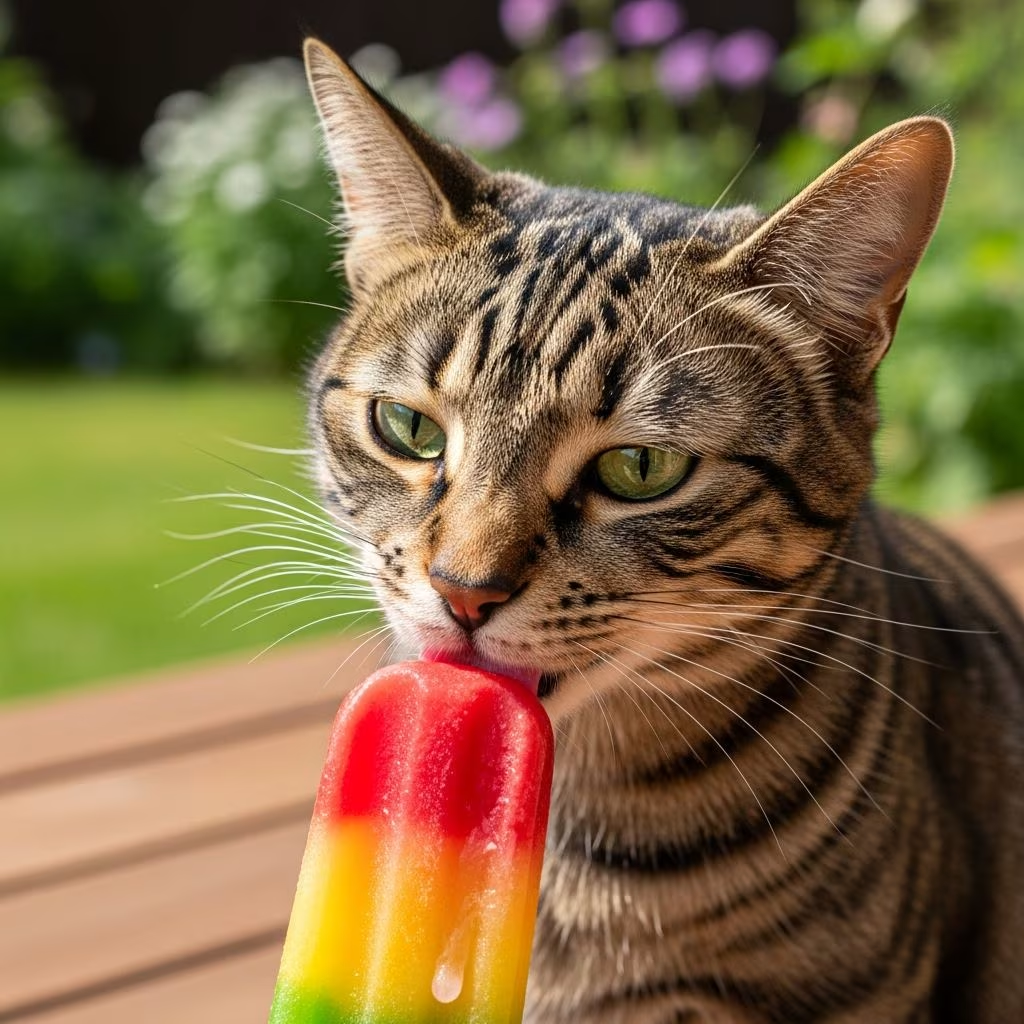
Most cats stick to their regular kibble or wet food without batting an eye at human snacks. However, some curious felines sneak licks from our treats, like popsicles on a hot day. While a tiny taste might not cause immediate harm, commercial popsicles pack sugars, carbs, and other ingredients cats don’t process well. You should avoid feeding human popsicles to cats entirely, opting instead for vet-approved homemade versions tailored to feline needs.
Cats are obligate carnivores, thriving on high-protein, low-carb diets. Human popsicles disrupt this balance, potentially leading to obesity, diabetes, or digestive woes. This guide breaks down the risks of fruit-based and milk-based popsicles, shares safe DIY recipes, and answers common questions to keep your kitty healthy and cool.
Fruit-Based Popsicles
Cats lack sweet taste receptors, so fruit popsicles rarely entice them. Still, a sneaky lick happens, especially if you’re indulging nearby. A small amount won’t typically poison your cat, but these treats are loaded with sugars and carbohydrates unnecessary for feline health.
Excess carbs convert to fat, promoting weight gain. Over time, this raises risks for feline type 2 diabetes, which can cause blindness, chronic inflammation, and mobility issues. Ingredients like artificial colors or high-fructose corn syrup exacerbate problems, straining a cat’s limited carb-digesting enzymes.
- Sugar overload: Cats don’t metabolize sugar efficiently, leading to energy crashes or hyperactivity followed by lethargy.
- Caloric density: One popsicle can exceed a cat’s daily treat allowance, unbalancing nutrition.
- Sticky residue: Can stick to teeth, fostering plaque and dental disease.
Keep fruit popsicles out of reach. If your cat grabs a lick, monitor for vomiting or diarrhea, but don’t make it a habit. Better alternatives exist for cooling treats.
Milk-Based Popsicles
Milk-based popsicles, like ice cream bars or cream-filled ones, draw cats with their fat and protein scents. Coconut or cow’s milk varieties might seem creamy delights, but they’re trouble for most adult cats.
About 65-70% of cats are lactose intolerant post-weaning. They lose lactase enzyme production, leaving undigested lactose to ferment in the gut. Symptoms hit within hours: gas, bloating, diarrhea, and vomiting. Even small amounts trigger discomfort.
| Issue | Why Harmful | Symptoms |
|---|---|---|
| Lactose Intolerance | No lactase enzyme | Gas, bloating, loose stools |
| High Fat | Pancreatitis risk | Vomiting, abdominal pain |
| Sugar + Dairy | Obesity/diabetes | Weight gain, thirst increase |
While protein and fat align with cat needs, the delivery method—frozen with lactose—makes it detrimental. Avoid sharing; the upset isn’t worth the momentary interest.
Healthy Homemade Popsicle Options
Deny human popsicles? No problem—craft cat-safe versions using ice cube trays or popsicle molds. These provide hydration, enrichment, and nutrition without junk. Limit to 10% of daily calories; for a 200-calorie cat, that’s under 20 calories from treats.
Consult your vet before new foods, especially for kittens, seniors, or health-issue cats.
High-Protein Popsicles
Blend one can of wet cat food (tuna or chicken) with 1 cup lactose-free cat milk or broth. Pour into trays, freeze 4-6 hours. Serve one cube as a snack or melt into meals. Protein-packed and flavorful, mimicking commercial wet food.
- Benefits: Boosts protein intake, aids hydration on hot days.
- Variations: Add pureed meat baby food (no onions/garlic).
Treat Popsicles
Fill tray slots with 2-4 small cat treats, top with goat’s milk, lactose-free milk, or cat-specific milk. Freeze solid. Cats lick and puzzle out treats, providing mental stimulation during alone time.
- Benefits: Combines play with low-cal treats; great for interactive feeders.
- Tip: Use freeze-dried treats for crunch post-thaw.
Smoothie Popsicles
Blend wet cat food with water or cat milk for a smoothie consistency. Freeze in cubes. Add to dry food or water bowls for variety. Ideal for picky eaters or rehydration.
- Benefits: Customizable flavors; enhances mealtime appeal.
- Pro tip: Puree safe fish like salmon for omega-3 boost.
Other ideas: Berry blends (strawberries/blueberries for antioxidants, no yogurt if intolerant) or bone broth cubes. Always source human-grade ingredients; avoid xylitol entirely.
Frequently Asked Questions (FAQs)
What if my cat licked a popsicle?
A single lick rarely causes harm unless xylitol or chocolate is involved. Watch for vomiting, lethargy, or diarrhea 24 hours. Sugar alone risks long-term issues like obesity.
Are there any safe human popsicles for cats?
No— even plain ones have excess sugar. Stick to cat-formulated foods.
Can kittens eat popsicles?
Kittens tolerate lactose better but avoid human versions. Use kitten milk in DIY recipes sparingly.
How often can cats have homemade popsicles?
1-2 cubes weekly as treats, not meals. Adjust for weight/health.
What are signs of lactose intolerance in cats?
Gas, diarrhea, bloating post-dairy. Switch to lactose-free options.
Is xylitol in popsicles toxic to cats?
Yes—causes hypoglycemia and liver failure. Check labels rigorously.
These recipes turn hot-day boredom into safe fun. Prioritize balance; treats enhance, not replace, core diet.
References
- Can Cats Eat Popsicles? Vet-Reviewed Facts & FAQ — Catster. 2023-07-15. https://www.catster.com/nutrition/can-cats-eat-popsicles/
- Lactose Intolerance in Cats — Merck Veterinary Manual (via .edu access). 2024-05-20. https://www.merckvetmanual.com/cat-owners/disorders-affecting-multiple-body-systems-of-cats/lactose-intolerance-in-cats
- Feline Diabetes Mellitus — American Animal Hospital Association (AAHA). 2025-02-10. https://www.aaha.org/resources/2021-aaha-diabetes-management-guidelines-for-dogs-and-cats/feline-diabetes/
- Xylitol Toxicity in Cats — ASPCA Animal Poison Control Center. 2024-11-01. https://www.aspca.org/pet-care/animal-poison-control/toxic-and-non-toxic-plants/xylitol
- Nutritional Guidelines for Cats — National Research Council (via NAP.edu). 2006-01-01 (authoritative standard). https://nap.nationalacademies.org/catalog/11681/nutrient-requirements-of-dogs-and-cats



