

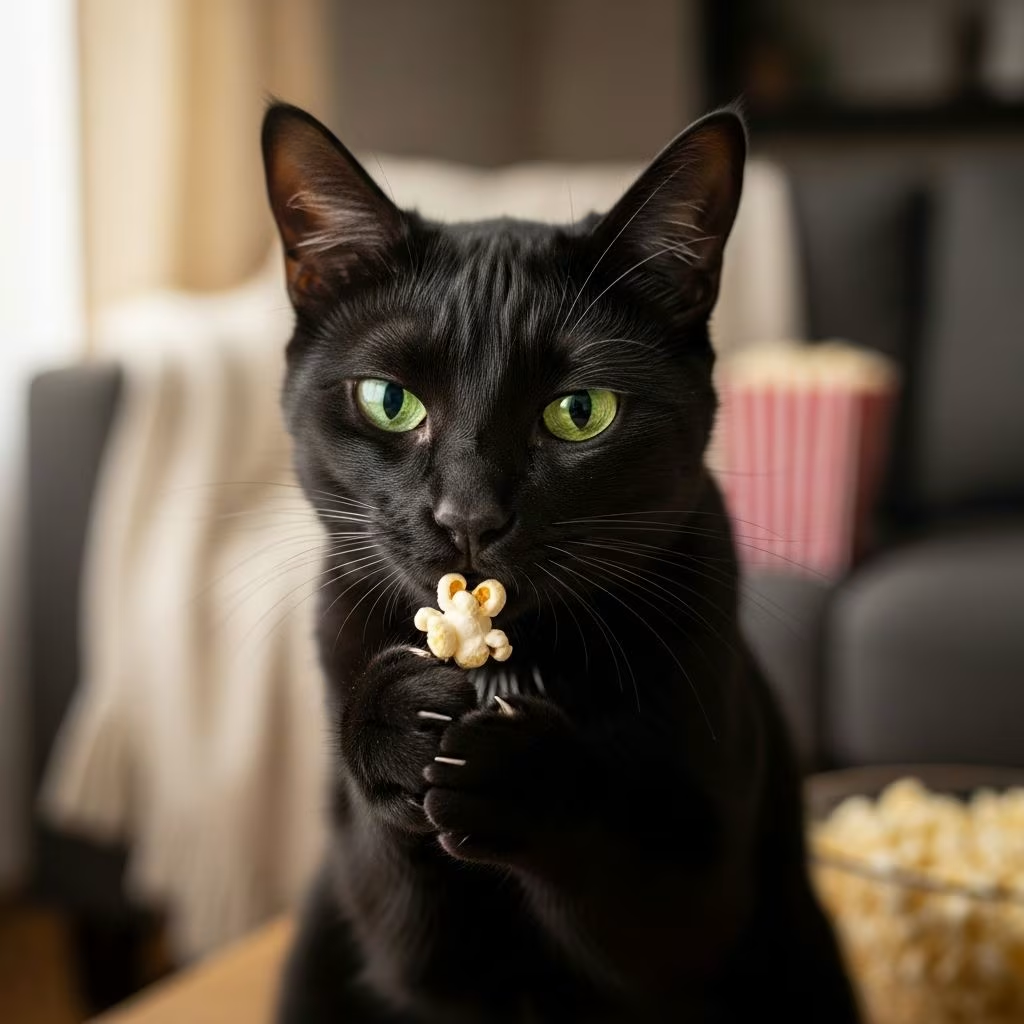
Popcorn is a popular human snack, but cat owners often wonder if it’s safe to share with their feline companions. The short answer is yes, cats can eat **plain, air-popped popcorn** in very small amounts as an occasional treat, but it’s not recommended as a regular part of their diet. Cats are obligate carnivores, meaning their nutritional needs are met primarily through animal-based proteins, and popcorn offers little to no value in that regard. Flavored varieties like buttered, salted, or caramel popcorn can lead to serious health issues, including digestive upset, obesity, and even toxicity from additives.
This comprehensive guide explores the safety of popcorn for cats, its nutritional profile, potential risks, safe serving guidelines, and better alternatives. Drawing from veterinary insights, we’ll cover everything from unpopped kernels to special considerations for kittens and seniors, ensuring you make informed choices for your pet’s well-being.
Is Popcorn Safe for Cats?
Popcorn itself is not toxic to cats, making plain versions generally safe in moderation. However, safety hinges on preparation method and portion size. Air-popped popcorn without any toppings is the only type that poses minimal risk, as it lacks the harmful fats, salts, and seasonings found in microwave bags or movie theater snacks.
Cats lack the enzymes to efficiently digest high-carbohydrate, plant-based foods like popcorn. While a few kernels won’t cause immediate harm, regular consumption can disrupt their meat-centric diet, leading to nutrient imbalances. Veterinary sources emphasize that popcorn should never replace commercial cat food or meat-based treats, which provide essential taurine, amino acids, and fats vital for feline health.
- Plain air-popped popcorn: Safe occasionally; low calorie and no additives.
- Buttered or oiled popcorn: Risky due to high fat content causing vomiting and diarrhea.
- Salted or flavored popcorn: High sodium can lead to excessive thirst, hypertension, and salt poisoning.
- Microwave popcorn: Often contains chemical flavorings like diacetyl, which irritate cat stomachs.
Nutritional Value of Popcorn for Cats
Popcorn contains carbohydrates, fiber, and trace vitamins (A, B, E, K), but these are negligible for cats. As obligate carnivores, cats derive no meaningful nutrition from plant matter. Popcorn’s carbs convert poorly to energy, offering ’empty calories’ that contribute to weight gain without benefits like protein or taurine.
A standard serving of air-popped popcorn has about 31 calories per cup, primarily from carbs (6g) and fiber (1.2g). Cats require around 5.2g of protein per kg of body weight daily, which popcorn utterly fails to provide. Some vets note potential dental benefits from chewing kernels, as the texture might scrape tartar, but this is anecdotal and not a substitute for dental care.
| Popcorn Type | Calories per Cup | Fat (g) | Sodium (mg) |
|---|---|---|---|
| Air-popped | 31 | 0.4 | 1 |
| Oil-popped | 97 | 5 | 2 |
| Air-popped with butter | 45 | 3 | 300+ |
| Oil-popped buttered | 109 | 7 | 400+ |
| Cheese-flavored | 98 | 6 | 500+ |
This table highlights why plain varieties are preferable—minimal fat and sodium reduce risks. Still, even plain popcorn’s fiber can overwhelm a cat’s short digestive tract if overfed.
Potential Risks and Dangers
While not poisonous, popcorn presents several hazards. Unpopped kernels are the biggest threat: hard and sharp, they pose choking risks, dental damage, and intestinal blockages. Swallowed kernels can irritate the esophagus or cause bloating, constipation, or perforation in severe cases.
Fiber overdose is another issue. Cats don’t require dietary fiber; excess from popcorn hinders nutrient absorption, leading to malnutrition over time. Flavored popcorn amplifies dangers—butter introduces fats causing pancreatitis, while salt risks dehydration and heart strain.
- Choking hazard: Whole kernels or hulls can lodge in the throat.
- Digestive upset: Vomiting, diarrhea, gas from indigestible parts.
- Obesity: Carb-heavy; inactive cats gain weight easily.
- Allergies: Rare, but corn sensitivities cause itching or GI issues.
- Unpopped kernels: Scratch GI tract, leading to infections.
Symptoms to watch: lethargy, refusal to eat, persistent vomiting, or blood in stool warrant immediate vet attention.
How Much Popcorn Can Cats Eat?
Moderation is key—limit to 2-5 kernels per week for an average adult cat. This prevents overload while satisfying curiosity. Over 10 kernels risks GI distress. Always break into small pieces to minimize choking.
For multi-cat homes, portion per cat based on size: smaller breeds get 1-2, larger ones up to 5. Never exceed 10% of daily calories from treats; popcorn shouldn’t displace balanced meals.
Can Kittens Eat Popcorn?
No, kittens should not eat popcorn. Their developing digestive systems can’t handle fiber or carbs, risking severe diarrhea, dehydration, or blockages. Kittens need high-protein, easily digestible food for growth—stick to kitten formula or meat purees.
Can Senior Cats Eat Popcorn?
Senior cats often have sensitive stomachs and reduced mobility, making popcorn unwise. Fiber exacerbates constipation common in elders, and carbs promote weight gain when metabolism slows. Offer softer, vet-approved treats instead.
Can Sick or Pregnant Cats Eat Popcorn?
Avoid entirely. Sick cats have compromised digestion; popcorn worsens nausea or bloating. Pregnant queens need nutrient-dense diets for kittens—any upset risks fetal health. Consult a vet before any treats.
Healthier Alternatives to Popcorn for Cats
Opt for cat-specific treats mimicking popcorn’s crunch but delivering nutrition:
- Freeze-dried meat treats: Chicken, fish, or liver—high protein, low carb.
- Commercial dental chews: Vet-formulated for tartar control.
- Cooked plain chicken/turkey: Shredded, unseasoned.
- Catnip toys or greens: For play, not eating.
- Hydrating purees: Tuna or salmon in water.
These satisfy cravings without risks, supporting overall health.
Frequently Asked Questions (FAQs)
Can cats eat buttered popcorn?
No, buttered popcorn is harmful due to high fat causing vomiting, diarrhea, and long-term issues like obesity and heart disease. Limit to plain only.
Is microwave popcorn safe for cats?
No, it contains oils, salts, and chemicals like diacetyl that irritate the gut and may be toxic.
What if my cat ate unpopped kernels?
Monitor for choking, vomiting, or lethargy. Contact a vet if symptoms appear, as they can cause blockages.
Does popcorn help cat dental health?
Chewing may scrape teeth mildly, but it’s not proven or recommended over professional products.
Can popcorn cause allergies in cats?
Rarely, but corn allergies exist—watch for itching, swelling, or GI upset.
Conclusion
In summary, while cats can nibble plain air-popped popcorn sparingly, it’s not worth the risks. Prioritize their carnivorous needs with meat-based treats to keep them healthy and happy. Always observe your cat’s reaction to new foods and consult a vet for personalized advice.
References
- Can Cats Eat Popcorn? Safety Rules Explained — Untamed Cat Food. 2023-05-15. https://untamed.com/blogs/nutrition/can-cats-eat-popcorn
- Can Cats Eat Popcorn? Is It Safe or Harmful for Your Pet — Noble Vet Clinic. 2024-02-20. https://noblevetclinic.com/blog/can-cats-eat-popcorn
- Can Cats Eat Popcorn? Find Out The Truth! — Genius Litter. 2023-11-10. https://geniuslitter.com/blogs/cat-nutrition/can-cats-eat-popcorn-find-out-the-truth
- Can Cats Eat Popcorn? — Kinship. 2024-01-08. https://www.kinship.com/cat-nutrition/can-cats-eat-popcorn
- Can Cats Eat Popcorn? What About Buttered Popcorn? — HowStuffWorks (Animals). 2023-07-22. https://animals.howstuffworks.com/pets/can-cats-eat-popcorn.htm



