

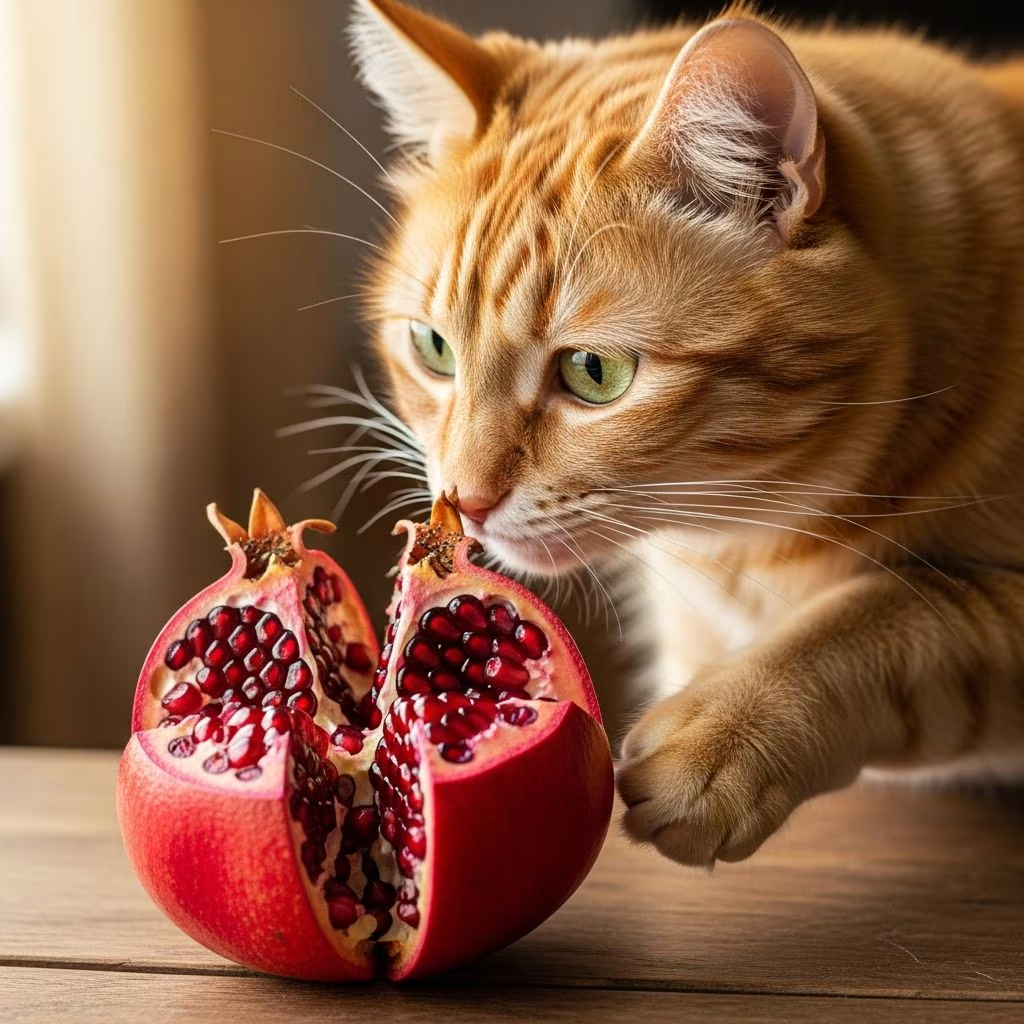
Pomegranates are a nutrient-dense fruit popular for their antioxidant properties and vibrant flavor, but cat owners often wonder if they can share this superfood with their feline companions. While pomegranates are non-toxic to cats, they should only be given in very small amounts due to potential digestive risks and other concerns. Cats are obligate carnivores, meaning their diet should primarily consist of meat-based proteins, not fruits. However, an occasional tiny portion of pomegranate arils (the juicy red sacs surrounding the seeds) can provide minor nutritional boosts without harm if prepared correctly.
Are Pomegranates Safe for Cats?
Pomegranates are generally safe for cats when offered sparingly and properly prepared. According to veterinary-reviewed sources, the fruit itself is non-toxic, but the hard seeds, rind, and pith pose significant risks. Only the seedless arils should be considered, and even then, in minuscule quantities to avoid stomach upset from excess sugar or fiber. The ASPCA and similar pet poison control resources classify pomegranate as non-toxic, but emphasize moderation due to cats’ sensitive digestive systems.
Cats lack sweet taste receptors, so they may not even show interest in the fruit’s sweetness. Their nutritional needs are met through high-quality cat food, making fruits like pomegranate an unnecessary but occasionally harmless treat.
Nutritional Benefits of Pomegranate for Cats
Pomegranates offer several nutrients that can benefit cats in tiny doses. Here’s a breakdown of key components:
- Antioxidants: Including punicalagin, anthocyanins, and punicic acid, these help combat oxidative stress and may support immune health, though cats produce many antioxidants internally.
- Vitamin C: A powerful antioxidant that aids cell protection. Cats synthesize their own vitamin C in the liver, so excess from diet could risk calcium oxalate stones in the bladder or kidneys if overfed.
- Potassium: Essential for muscle function, heart health, and nerve signaling. It helps carry electrical charges throughout the body.
- Fiber: Promotes digestion and intestinal health, plus high water content aids hydration, especially in warm weather.
- Vitamin K: Supports blood clotting and bone growth, crucial for injury recovery.
These benefits are minimal for cats compared to humans, as their carnivorous biology doesn’t require fruit-derived nutrients. Safer alternatives like commercial cat food formulated with fruits provide balanced nutrition.
Potential Risks and Dangers of Pomegranates for Cats
While beneficial in theory, pomegranates carry notable risks for cats. Understanding these is crucial for responsible pet parenting.
Digestive Issues
The high fiber and sugar content can disrupt a cat’s stomach, leading to diarrhea, vomiting, or gastrointestinal upset. Seeds are hard and fibrous, resisting breakdown in a cat’s short digestive tract, potentially causing blockages. Rind, stems, and pith contain tough fibers that could result in life-threatening intestinal obstructions requiring veterinary surgery.
Choking Hazard
Pomegranate seeds are small, hard, and a serious choking risk. Cats may bat at or swallow them whole, leading to airway blockage. Even if swallowed, they can cause internal irritation.
Excess Vitamin C and Sugar
Overloading on vitamin C might contribute to urinary stones. The natural sugars increase diabetes risk, especially in overweight or predisposed cats.
Allergic Reactions
Rare but possible, symptoms include itching, swelling, vomiting, or diarrhea. Monitor closely after first exposure and discontinue if issues arise.
Tannins and Acids
These compounds can irritate the stomach, causing upset tummy or allergic-like reactions in sensitive cats.
| Risk Factor | Description | Prevention |
|---|---|---|
| Digestive Upset | High sugar/fiber causes diarrhea | Small portions, seedless |
| Choking | Hard seeds block airway | Crush or remove seeds |
| Blockage | Rind/pith obstructs intestines | Remove all non-aril parts |
| Excess Nutrients | Vitamin C/sugar overload | Limit to occasional tiny treats |
How to Safely Feed Pomegranate to Your Cat
If you decide to offer pomegranate, follow these strict guidelines:
- Prepare Properly: Extract only the juicy arils, removing all white pith, rind, and hard seeds. Crush seeds if including them to reduce choking risk.
- Portion Control: Start with 1-2 arils (pea-sized), no more than once a week. A whole fruit is far too much.
- Monitor Reaction: Watch for 24-48 hours for vomiting, diarrhea, lethargy, or choking signs. Seek vet care immediately if issues occur.
- Fresh Only: Avoid juice (high sugar), dried versions (concentrated sugars), or processed products.
- Age and Health Considerations: Not for kittens, seniors, or cats with diabetes, obesity, urinary issues, or GI sensitivities.
Consult your veterinarian before introducing any new food, especially if your cat has pre-existing conditions.
Alternatives: Safer Fruits for Cats
Better fruit options provide similar benefits with fewer risks:
- Blueberries: Antioxidants, low calorie, easy to eat.
- Cranberries: Urinary health support.
- Strawberries: Vitamin C, fiber (small pieces).
- Pumpkin: Digestive aid (plain canned).
- Apples: Cooked, seedless slices.
These can be given in moderation as treats, comprising no more than 10% of diet.
Frequently Asked Questions (FAQs)
Can cats eat pomegranate seeds?
No, avoid whole seeds due to choking and digestive blockage risks. Crush or remove them entirely.
Is pomegranate juice safe for cats?
No, it’s high in sugar and lacks fiber, potentially causing rapid blood sugar spikes.
What happens if my cat eats pomegranate rind?
It can cause severe GI blockage or toxicity from fibers. Contact a vet or pet poison hotline immediately.
How much pomegranate can I give my cat?
Only 1-2 small arils occasionally, never daily or in larger amounts.
Are pomegranates toxic to cats?
No, non-toxic, but unsafe in excess or improperly prepared.
Conclusion: Treat with Caution
Pomegranates can be a rare, tiny treat for cats if meticulously prepared and limited. Prioritize a meat-based diet and consult vets for personalized advice. When in doubt, stick to vet-approved foods to keep your cat thriving.
References
- Can dogs or cats eat pomegranate? — ManyPets. 2023-10-15. https://manypets.com/us/pet-food-safety/can-my-pet-eat-pomegranate/
- Can Cats Eat Pomegranate? Vet-Reviewed Facts & FAQ — Catster. 2024-05-20. https://www.catster.com/nutrition/can-cats-eat-pomegranate/
- Understanding the Risks: Is Pomegranate Safe for Cats — PetCareRx. 2024-02-12. https://www.petcarerx.com/article/understanding-the-risks-is-pomegranate-safe-for-cats/6976
- Can Your Companion Cat Safely Eat Pomegranate? — Green Matters. 2023-11-08. https://www.greenmatters.com/pets/can-cats-eat-pomegranate
- What Fruits Can Cats Eat? — Now Fresh. 2024-01-10. https://nowfresh.com/en-us/blog/what-fruits-can-cats-eat



