

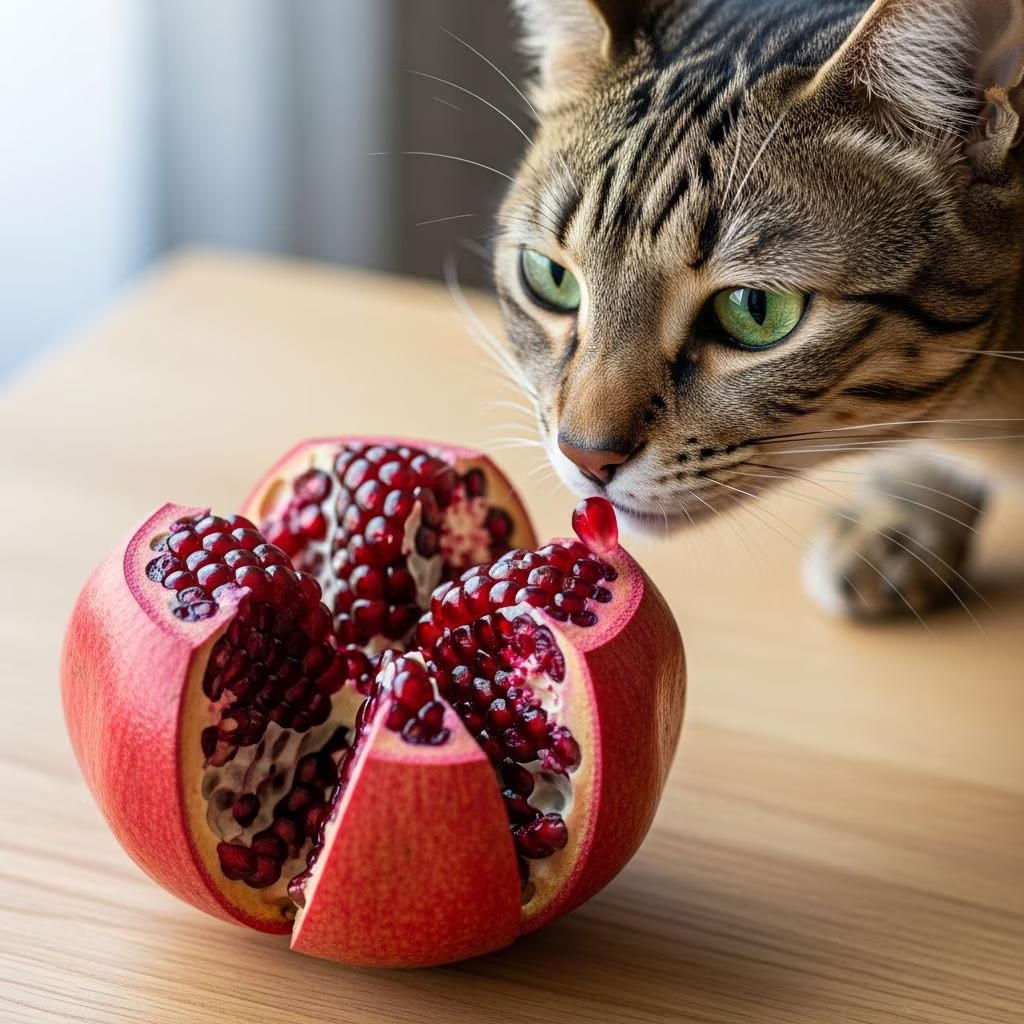
Can Cats Eat Pomegranate?
If your favorite feline seems interested in that pomegranate you’re eating, you may wonder if it’s safe to share. The good news is that pomegranate is a fruit that is non-toxic to cats, with the important caveat that it can only be given in tiny amounts and not very often. Too much pomegranate could cause stomach upset, as cats are obligate carnivores that don’t require fruits or vegetables in their regular diets. However, giving your cat a small bite occasionally is absolutely fine, provided you follow proper preparation guidelines.
Nutritional Benefits of Pomegranate for Cats
While cats don’t need fruit as part of their diet, pomegranates do contain several nutrients that can offer health benefits when consumed in moderation. Understanding these benefits helps explain why many pet owners are interested in sharing this fruit with their feline companions.
Antioxidants and Vitamin C
One of the primary antioxidants found in pomegranate is vitamin C, which is a dietary requirement for humans. However, care must be taken when feeding your cat foods with high vitamin C content. Unlike humans, your cat’s liver synthesizes its own vitamin C naturally. Adding extra vitamin C to what’s already being synthesized daily could result in your cat developing calcium oxalate stones in their bladder or kidneys. This is an important consideration for cat owners considering regular pomegranate feeding.
Beyond vitamin C, pomegranate contains other powerful antioxidants that help lower the risk of heart disease, including anthocyanins, punicalagin, and punicic acid. These compounds work to combat cellular oxidation and contribute to overall health support.
Potassium and Heart Health
Another nutrient pomegranate offers your cat is potassium, which is essential for cellular and electrical functions in your pet’s body. Potassium carries electric charges to several areas, including the muscles and heart, making it crucial for cardiovascular function. Additionally, pomegranates contain fat-soluble vitamins that aid in blood coagulation, which is important if your cat gets an injury that bleeds. Vitamin K in particular helps ensure that injuries stop bleeding properly and supports bone growth.
Hydration Support
The substantial water content in pomegranates is an excellent way to keep cats hydrated, particularly during hot summer months. This hydration benefit can be especially valuable for cats that don’t drink enough water throughout the day, though other water-rich fruits or wet food options may be safer alternatives.
Why Pomegranate Can Be Unhealthy for Cats
While pomegranate does offer some nutritional benefits, there are several significant concerns that make this fruit potentially problematic for feline consumption. Understanding these risks is essential before offering any pomegranate to your cat.
Excess Vitamin C and Kidney Stone Risk
As mentioned previously, one of the primary health concerns with pomegranate is the potential for providing too much vitamin C. Since cats synthesize their own vitamin C, additional sources can contribute to the development of kidney stones or bladder stones. Cat owners with cats that have a history of urinary issues should be especially cautious about feeding pomegranate.
High Sugar Content
Pomegranate is only unhealthy for your cat in a couple of specific ways, one being the potential sugar content. Too much sugar in your cat’s diet is bad for them and can lead to diabetes and obesity. While pomegranate may not be the most sugary fruit, it contains enough sugar to warrant careful consideration before feeding it to your pet, especially for cats already at risk for diabetes or weight issues.
Digestive Upset from Tannins and Acids
Your companion cat’s digestive system is different from yours, and the tannins and acids within pomegranates do not often agree with your cat’s stomach. This can result in upset stomach, diarrhea, and potentially allergic reactions. The high sugar content in pomegranates may disrupt a cat’s stomach equilibrium, leading to gastrointestinal upset.
Seeds and Safety Concerns
The relationship between pomegranate seeds and feline safety is complex and requires careful attention from cat owners. While seeds themselves aren’t inherently toxic, they present multiple hazards that make them problematic for cats.
Choking Hazard
One significant concern with pomegranate for cats is the choking hazard presented by the seeds. Pomegranate seeds are small and hard, and can easily become lodged in a cat’s throat. The unhealthy aspect of seeds doesn’t lay in the seeds themselves—it’s okay for your pet to eat them—but in the choking hazard they present. Cats, known for their inquisitive nature, may be tempted to bat at or chew on pomegranate seeds, heightening the potential for accidental ingestion.
Risk of Eating Too Many Seeds
There’s also the risk of your cat eating too many seeds, which could lead to digestive issues or intestinal blockages. If you decide to let your cat eat seeds, make sure it’s only a couple and that you’re in the room with them to watch for any potential choking.
Dangerous Parts of Pomegranate
It’s crucial to discern between the safe and unsafe parts of a pomegranate. Not all portions of this fruit are appropriate for feline consumption, and some parts pose serious health risks.
Seeds vs. Arils
The edible portion of pomegranate is found within the arils—the reddish fruit that surrounds the seed. However, only the pomegranate seeds are considered safe for feline consumption. You must remove all seeds from the pomegranate arils before offering the fruit to your cat. This may not be particularly easy to do, but it’s necessary.
Peel, Rind, and Membranes
The peel, inner membranes, and pith contain tough fibers that, if ingested, could result in a life-threatening intestinal blockage. Even small amounts of these inedible portions can cause substantial harm, necessitating immediate veterinary intervention. Additionally, make sure your cat doesn’t eat any pieces of pomegranate rind or stem, as these could cause gastrointestinal problems and digestive blockages.
Allergic Reactions to Pomegranate
While rare, allergic reactions to pomegranate can occur in some cats. Symptoms may include itching, swelling, or gastrointestinal distress. Cat owners must monitor their pets closely after introducing pomegranate and be vigilant for any signs of allergic response. In case of an allergic reaction, immediate veterinary attention is paramount. Prescribed medications may be administered to alleviate symptoms and prevent escalation.
How to Safely Prepare Pomegranate for Your Cat
If you decide to offer pomegranate to your cat, proper preparation is absolutely essential. Here are the steps to follow:
- Begin with a small amount and closely monitor for any adverse reactions, ensuring a gradual introduction to gauge your cat’s tolerance
- Opt for only the edible arils, completely removing all seeds to eliminate potential choking and digestive hazards
- Remove the peel, rind, and inner membranes entirely before offering any fruit to your cat
- Consider crushing seeds if you choose to offer them, as this mitigates the risk of choking
- Offer pomegranate only in tiny portions as an occasional treat
- Never give pomegranate juice, which concentrates sugars and other compounds
- Watch your cat carefully during and after consumption for any signs of distress
Why Cats Don’t Need Fruit
Cats are obligate carnivores, inherently designed for a meat-centric diet. As carnivores, cats do not need fruit, and their typical diet should provide all the nutrients they require. Cats lack sweet taste receptors on their tongues, rendering them indifferent to the sweetness of fruits. While cats don’t need fruit, certain fruits, when offered in moderation, can be safe if the texture appeals to them.
Since cats can obtain necessary nutrients from high-quality cat food and meat-based treats, there’s no nutritional necessity to feed them pomegranate or other fruits. The risks often outweigh the potential benefits.
Safer Fruit Alternatives for Cats
If you’re looking to offer your cat a fruity treat, there are safer options available. According to veterinary experts, apples, blueberries, and strawberries are safer fruits for your cat to eat. These alternatives provide similar nutritional benefits without the same level of risk associated with pomegranate.
Frequently Asked Questions
Q: Is pomegranate toxic to cats?
A: No, pomegranate itself is not toxic to cats. However, it should only be given in tiny amounts and not very often due to potential digestive upset and other health concerns.
Q: Can cats eat pomegranate seeds?
A: While pomegranate seeds aren’t inherently toxic, they pose a choking hazard and should be given only in very small quantities, if at all. Many experts recommend crushing seeds or removing them entirely before offering pomegranate to your cat.
Q: What parts of pomegranate are safe for cats?
A: Only the small, soft arils (the reddish flesh around the seeds) are safe for cats. The peel, rind, membranes, and stem should never be given to cats as they can cause intestinal blockages.
Q: Can pomegranate cause kidney stones in cats?
A: Pomegranate contains high levels of vitamin C. Since cats synthesize their own vitamin C, excess consumption from pomegranate could potentially contribute to calcium oxalate stones in the bladder or kidneys.
Q: How much pomegranate can I give my cat?
A: If your veterinarian approves, only offer tiny amounts of properly prepared pomegranate as an extremely rare treat. Most experts recommend avoiding it entirely and choosing safer fruit alternatives instead.
Q: What should I do if my cat eats pomegranate accidentally?
A: If your cat eats a small amount of pomegranate arils, monitor closely for signs of digestive upset or choking. If your cat ingests the peel, seeds in large quantities, or stems, contact your veterinarian immediately as these can cause intestinal blockages.
Q: Are there better fruit options for cats?
A: Yes, safer fruit alternatives include apples (without seeds), blueberries, and strawberries. However, since cats are obligate carnivores, fruits shouldn’t be a regular part of their diet and should be offered only occasionally.
Conclusion
While pomegranate is technically non-toxic to cats, it’s a fruit that cat owners should approach with extreme caution. The potential risks—including vitamin C toxicity, high sugar content, choking hazards, and digestive upset—often outweigh any nutritional benefits. The emphasis should be on cautious and minimal indulgence if you choose to offer it at all. When considering sharing pomegranates with your cat, consult with your veterinarian first, and if approved, ensure you meticulously remove all dangerous parts and offer only tiny amounts as an extremely rare treat. For most cat owners, it’s safer and simpler to skip pomegranate entirely and focus on providing balanced, species-appropriate nutrition through high-quality cat food and safer treat options.
References
- Can Cats Eat Pomegranate? Vet-Reviewed Facts & FAQ — Catster. 2024. https://www.catster.com/nutrition/can-cats-eat-pomegranate/
- Can My Pet Eat Pomegranate? — ManyPets. 2024. https://manypets.com/us/pet-food-safety/can-my-pet-eat-pomegranate/
- Understanding the Risks: Is Pomegranate Safe for Cats — PetCareRx. 2024. https://www.petcarerx.com/article/understanding-the-risks-is-pomegranate-safe-for-cats/6976
- Can Your Companion Cat Safely Eat Pomegranate? — Green Matters. 2024. https://www.greenmatters.com/pets/can-cats-eat-pomegranate



