

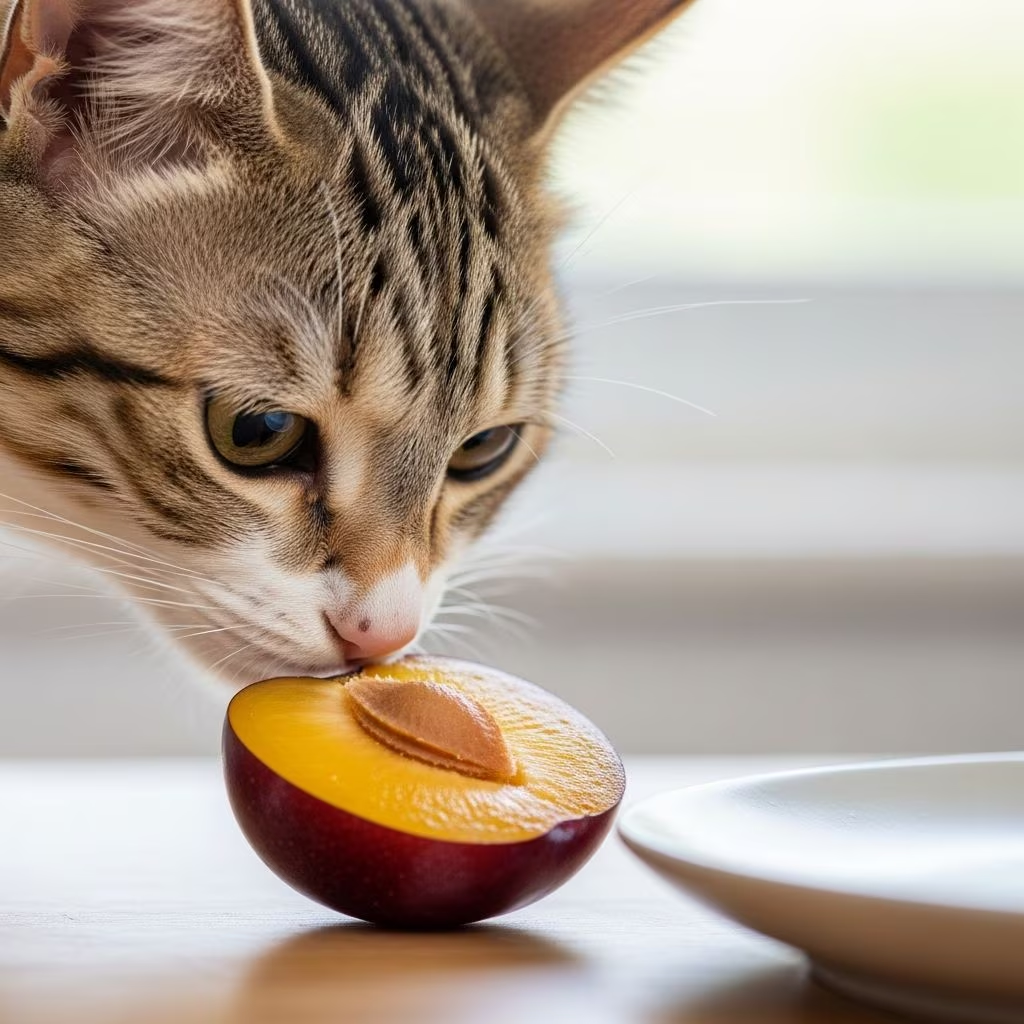
Cats are obligate carnivores, thriving on meat-based diets rather than fruits like plums. While curiosity may lead them to nibble household fruits, plums pose significant risks due to toxic components in certain parts. This guide explores plum safety for cats, potential dangers, symptoms of ingestion, and what to do if your cat encounters a plum.
Are Plums Toxic to Cats?
**No, plums are not fully toxic, but key parts are highly dangerous.** The ripe flesh of plums is generally non-toxic in very small amounts, but stems, leaves, pits (stones/seeds), and even the skin carry substantial risks. Plum pits, stems, and leaves contain **cyanogenic glycosides**, which release cyanide when chewed or digested—a potent toxin that interferes with oxygen use in cells.
Cats lack the digestive enzymes to process fruit sugars efficiently, making even non-toxic plum flesh problematic. High sugar content can cause gastrointestinal upset, while fibrous skin may lead to choking. Veterinary experts strongly advise against offering plums, as benefits are minimal compared to risks.
- Flesh: Safe in tiny quantities but unnecessary and potentially upsetting.
- Pit/Seed: Contains cyanide; chewing releases toxin, swallowing risks blockage or choking.
- Stems & Leaves: High cyanide levels; even small amounts can poison.
- Skin: Fibrous and indigestible, posing choking hazard.
Nutritional Value of Plums for Cats
**Plums offer little benefit to cats and are not part of their natural diet.** Plums are rich in vitamins A, C, K, and antioxidants for humans, supporting immunity and eye health. However, cats derive these nutrients from quality meat-based foods. Their short digestive tracts aren’t designed for plant matter, and excess sugars promote obesity or diabetes over time.
Small amounts of plum flesh provide beta-carotene and fiber, but obligate carnivores need minimal fiber. Feeding plums displaces essential proteins, taurine, and fats. Stick to commercial cat food meeting AAFCO standards for balanced nutrition.
| Nutrient | Plum Content | Cat Needs It? |
|---|---|---|
| Vitamin A & C | High | Minimal; obtained from prey/quality kibble |
| Sugars | High (fructose) | No; risks GI upset, weight gain |
| Fiber | Moderate | Low requirement; excess causes diarrhea |
| Cyanide Risk | In pits/leaves | Deadly toxin |
Health Risks of Feeding Plums to Cats
**Primary dangers stem from cyanide poisoning and physical hazards.** Cyanogenic compounds in pits break down into hydrogen cyanide gas, causing rapid symptoms like dilated pupils, rapid breathing, weakness, seizures, and potentially death. Even tiny amounts are lethal to small cats due to their body size.
Other risks include:
- Choking/Blockage: Hard pits are the ideal size to lodge in throats or intestines, requiring surgery.
- Digestive Upset: Sugars and fiber cause vomiting, diarrhea, dehydration; worsens in sensitive cats.
- Obesity/Diabetes: Repeated sugary treats disrupt metabolism.
- Allergic Reactions: Rare, but itching or swelling possible.
Plum trees in gardens amplify risks—dropped leaves, pits, or branches tempt curious cats.
Symptoms of Plum Poisoning in Cats
**Act fast—cyanide poisoning progresses quickly (minutes to hours).** Monitor for these signs after suspected ingestion:
- Mild (flesh only): Vomiting, diarrhea, drooling, lethargy.
- Severe (pit/leaf): Panting, rapid heartbeat, brick-red gums, collapse, coma, shock.
- Choking Signs: Pawing mouth, gagging, coughing, distress.
If symptoms appear, note what/when ingested and rush to a vet. Do not wait—early intervention with antidotes like hydroxocobalamin saves lives.
What to Do If Your Cat Eats a Plum
**Step 1: Assess what was eaten.** Flesh alone? Monitor 24-48 hours for mild upset; withhold food briefly, ensure hydration. Pit/stem/leaf? Emergency vet visit immediately—do NOT induce vomiting without guidance, as it risks aspiration.
**Step 2: Contact professionals.** Call ASPCA Poison Control (888-426-4435) or Pet Poison Helpline (855-764-7661) for triage. Provide details: amount, time, symptoms.
**Step 3: Vet treatment may include** activated charcoal, IV fluids, oxygen, cyanide antidotes, or surgery for blockages.
Prevention: Store plums high/up, clean pits promptly, fence plum trees.
Are There Any Benefits to Plums for Cats?
**Negligible benefits outweighed by dangers.** Trace vitamins don’t justify risks when superior sources exist in cat food. Some sources note antioxidants, but cats metabolize them poorly. Opt for vet-approved treats instead.
Safe Alternatives to Plums for Cats
**Choose protein-focused, low-sugar treats.** Cats prefer meaty rewards aligning with their biology:
- Plain cooked chicken/turkey (no seasoning).
- Freeze-dried meat treats.
- Small pieces of blueberries or melon (peeled, seedless).
- Commercial dental chews or lickable purees.
- Catnip or silver vine for fun without calories.
Limit treats to 10% of calories; always introduce new foods gradually.
Frequently Asked Questions (FAQs)
Can cats eat plum flesh safely?
Small amounts of plain plum flesh are non-toxic but may cause stomach upset from sugars. Avoid entirely for safety.
Are plum pits dangerous for cats?
Yes—pits contain cyanide precursors, causing poisoning, plus choking/blockage risks. Never allow access.
What if my cat ate a plum pit?
Seek emergency vet care immediately; symptoms like breathing issues signal cyanide toxicity.
Can cats have plum skin or leaves?
No, both contain cyanide and are toxic; keep all plant parts away.
Are dried plums (prunes) safe for cats?
No—concentrated sugars worsen GI issues; pits remain hazardous.
Is a little plum okay as an occasional treat?
Not recommended; risks > benefits. Choose cat-specific alternatives.
References
- Can Cats Eat Plums? Safety & Risks Explained — Zoorithm. 2024. https://www.zoorithm.com/cats/can-cat-eat-plum
- What Fruits Can Cats Eat? 19 Fruits Safe for Cats — PetMD. 2024-06-15. https://www.petmd.com/cat/nutrition/which-fruits-can-cats-eat
- Can Cats Eat Plums? Vet-Reviewed Safety Facts — Hepper. 2024. https://articles.hepper.com/can-cats-eat-plums/
- Can Cats Eat Plums? Vet-Reviewed Facts & FAQ — Catster. 2024. https://www.catster.com/nutrition/can-cats-eat-plums/
- Is Plum Good for Pets? — Bark & Whiskers. 2024-06-06. https://www.barkandwhiskers.com/2024-06-06-can-you-feed-plums-to-your-pets/
- Plum Poisoning in Cats – Symptoms, Causes, Diagnosis, Treatment — WagWalking. 2024. https://wagwalking.com/cat/condition/plum-poisoning
- Toxic and Non-toxic Plants: Plum — ASPCA. 2024. https://www.aspca.org/pet-care/aspca-poison-control/toxic-and-non-toxic-plants/plum



