

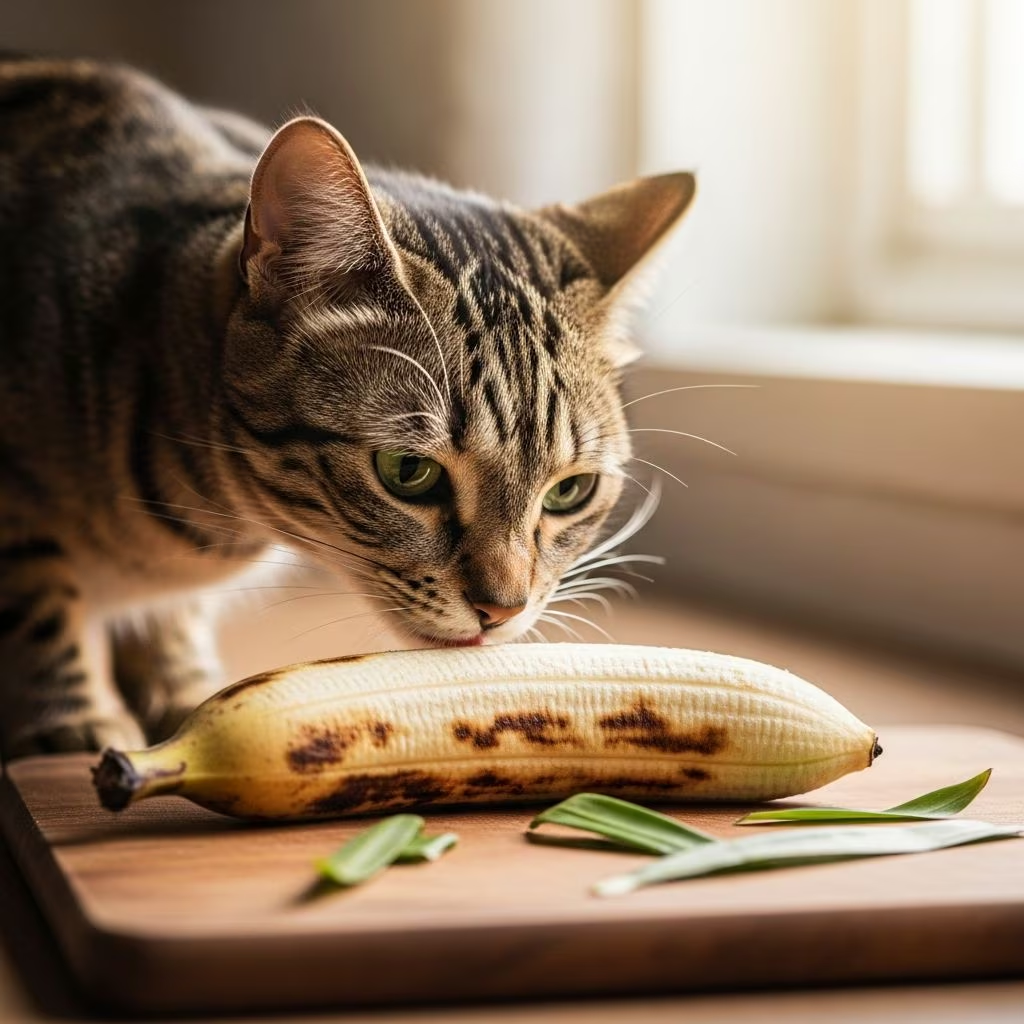
Plantains, closely related to bananas, are a staple food in many cultures, prized for their starchy texture when cooked. But can cats eat plantains? While not toxic, plantains are not a natural part of a cat’s diet as obligate carnivores. They can be offered in very small amounts as an occasional treat, but moderation is key to avoid digestive issues or excessive sugar intake. This vet-reviewed article covers everything you need to know about feeding plantains to cats, including nutritional benefits, risks, preparation tips, and safer alternatives.
What Are Plantains?
Plantains (Musa paradisiaca) belong to the banana family but differ significantly from sweet dessert bananas. They are larger, starchier, and typically green when unripe, turning yellow or black as they ripen. Unlike bananas, plantains are rarely eaten raw due to their tough skin and high starch content, which makes them bland and astringent. Instead, they are boiled, fried, baked, or mashed in dishes like tostones, patacones, or plantain chips.
Nutritionally, plantains provide carbohydrates, fiber, vitamins A, C, and B6, and minerals like potassium and magnesium for humans. A medium plantain contains about 220 calories, 57g carbs, 3g fiber, and 1.3g protein. However, cats derive minimal benefits from these nutrients due to their carnivorous digestive systems, which are optimized for animal proteins and fats, not plant starches.
Can Cats Eat Plantains Safely?
Yes, cats can eat small amounts of cooked, ripe plantains safely, but raw plantains should be avoided. The tough skin poses a choking hazard and is indigestible, while unripe plantains contain higher tannins that can irritate the stomach. Ripe, cooked plantain flesh is softer and lower in resistant starch, making it easier for cats to tolerate in tiny portions.
- Raw plantains: Not recommended due to hardness and potential for gastrointestinal upset.
- Cooked plantains: Safe in moderation if plain, without oils, salts, or seasonings.
- Plantain peels: Never offer; they are fibrous and can cause blockages.
- Fried or seasoned: Avoid; added fats and spices can lead to pancreatitis or toxicity.
Obligate carnivores like cats lack the enzymes to efficiently break down plant carbohydrates, so plantains should never exceed 10% of daily calories—typically a pea-sized piece for an average adult cat.
Nutritional Benefits of Plantains for Cats
While plantains offer limited nutritional value to cats compared to their complete commercial diets, small amounts may provide minor benefits:
- Potassium: Supports muscle function and heart health. Cats need about 0.4-0.6g daily, and a tiny plantain piece contributes negligibly without risking overdose.
- Fiber: Aids mild digestion, potentially helping with constipation, though cat-specific fibers like pumpkin are better.
- Vitamin C and antioxidants: Cats synthesize their own vitamin C, but antioxidants may support immunity minimally.
- Low calorie treat option: Useful for overweight cats, with about 1-2 calories per small bite versus higher-calorie commercial treats.
These benefits are not significant enough to justify regular inclusion. Studies on feline nutrition emphasize meat-based proteins over fruits for optimal health.
Potential Risks and Dangers
Plantains are non-toxic, but overfeeding poses risks:
| Risk | Description | Symptoms |
|---|---|---|
| High sugar/starch | Can lead to obesity, diabetes, or dental issues. | Weight gain, lethargy, increased thirst. |
| Digestive upset | Cats struggle with plant fibers/carbs. | Diarrhea, vomiting, gas. |
| Choking hazard | Peels or large pieces. | Coughing, gagging, obstruction. |
| Allergies | Rare, but possible sensitivity. | Itching, swelling, hives. |
Kittens, seniors, or cats with diabetes, IBD, or obesity should avoid plantains entirely. Always consult a vet before introducing new foods.
How to Safely Prepare Plantains for Cats
To minimize risks, follow these vet-approved steps:
- Select ripe plantains: Yellow-black skin indicates ripeness and easier digestion.
- Peel thoroughly: Remove all green skin.
- Cook plainly: Boil or bake without seasonings for 10-15 minutes until soft.
- Mash or dice: Create pea-sized portions (0.5-1g per treat).
- Introduce gradually: Start with 1/4 tsp, monitor for 24-48 hours.
- Store properly: Refrigerate leftovers up to 3 days; freeze in ice cube trays for portions.
Frequency: No more than 1-2 times weekly, as a topper on wet food or standalone treat.
How Much Plantain Can Cats Eat?
Portion size depends on cat size, age, and health:
- Adult cat (8-10 lbs): 1/2 – 1 tsp mashed, 1-2x/week.
- Kitten: Avoid until 1 year old.
- Senior/overweight: Consult vet; limit to 1/4 tsp.
Calculate treats at 10% of daily calories (e.g., 250kcal diet = 25kcal treats max). A 1g plantain piece is ~1.5kcal.
What If My Cat Ate Too Much Plantain?
Monitor for mild symptoms like loose stool, which often resolve in 24 hours. Severe signs (persistent vomiting, lethargy, blood in stool) require immediate vet care. Provide water and withhold food briefly. In cases of obstruction, diagnostics like X-rays may be needed.
Alternatives: Other Safe Fruits and Vegetables for Cats
If plantains don’t appeal, try these vet-approved options:
- Bananas: Small slices for potassium; high sugar, rare treats.
- Blueberries: Antioxidants; 1-2 weekly.
- Raspberries: Fiber and vitamins; 1-2 pieces.
- Pumpkin: Pure canned for digestion; 1 tsp daily.
- Cantaloupe: Hydrating; seedless, small cubes.
- Green beans: Low-cal fiber; steamed or raw.
- Cucumbers: Water-rich summer snack; sliced thin.
- Peas: Vitamins A/C/K; few per week.
Avoid grapes, raisins, onions, garlic, and citrus.
FAQs
Are plantains toxic to cats?
No, plantains are not toxic, but large amounts can cause digestive upset due to starch and fiber.
Can kittens eat plantains?
No, kittens under 1 year should stick to kitten food; their systems are too sensitive.
Is cooked plantain better than raw for cats?
Yes, cooked is softer and more digestible; always plain.
Can plantains help with cat constipation?
In tiny amounts, the fiber may help mildly; pumpkin is preferable.
What fruits are best for cats?
Moderation with blueberries, bananas, or melon; meat-based treats are ideal.
Final Thoughts
Plantains can be a fun, occasional treat for healthy cats when prepared correctly, but they should never replace a balanced, meat-centric diet. Prioritize commercial cat foods meeting AAFCO standards, and use fruits sparingly for variety. Always vet-check for individual needs, especially with health conditions. By understanding feline nutrition, you ensure your cat thrives.
References
- Fruits & Vegetables Cats Can Eat: Vet-Reviewed Facts & Tips — Catster. 2023-05-15. https://www.catster.com/nutrition/fruits-and-vegetables-cats-can-eat/
- Can Cats Eat Raspberries? Vet Reviewed Nutritional Facts & Safety — Catster. 2023-08-22. https://www.catster.com/nutrition/can-cats-eat-raspberries/
- Nutrient Requirements of Cats — National Research Council (National Academies Press). 2006-01-01. https://nap.nationalacademies.org/catalog/10668/nutrient-requirements-of-dogs-and-cats
- Can Cats Eat Watermelon? Vet Approved Nutrition Facts & FAQ — Catster. 2024-02-10. https://www.catster.com/nutrition/can-cats-eat-watermelon/
- Plantain Nutritional Composition — USDA FoodData Central. 2023-11-01. https://fdc.nal.usda.gov/fdc-app.html#/food-details/169686/nutrients



