

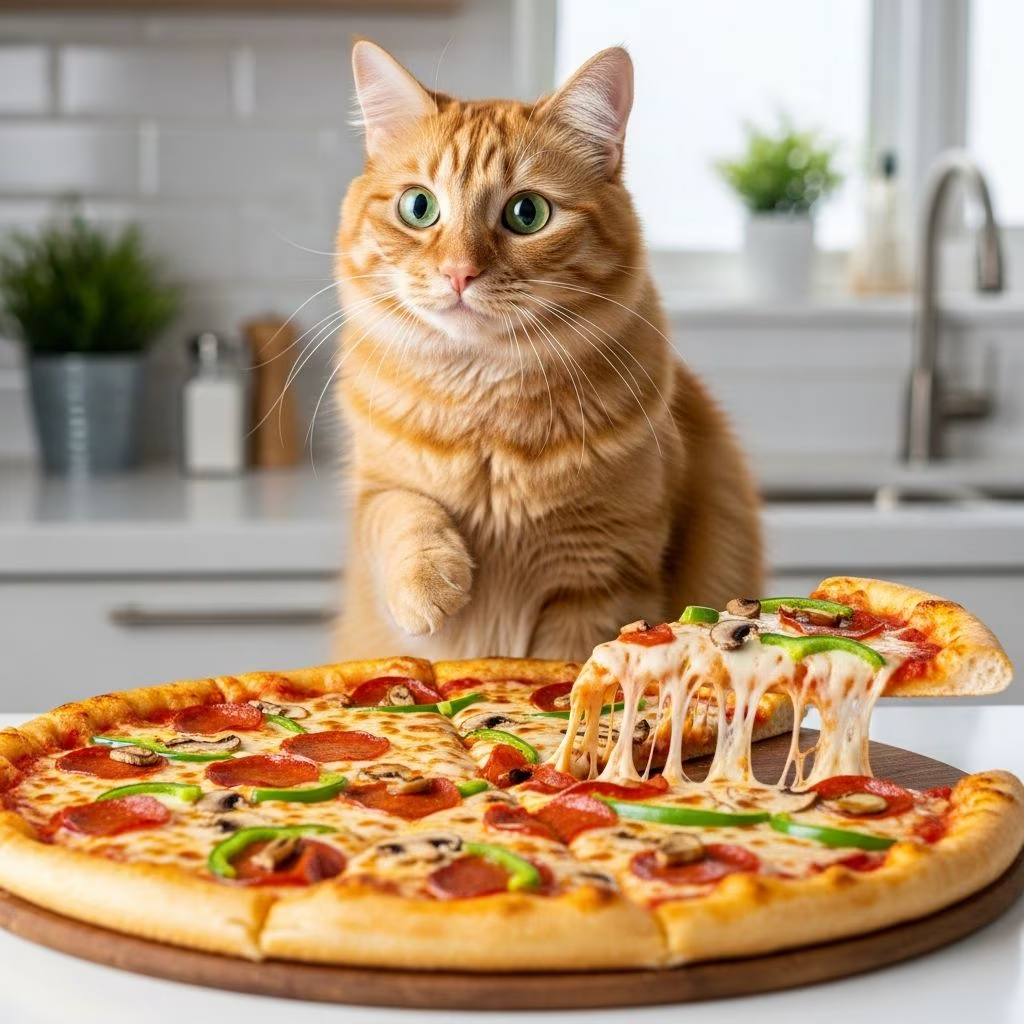
Your cat eyes your pizza slice with intense curiosity, tail twitching in anticipation. But before you share a bite, it’s crucial to understand if **pizza is safe for cats**. As obligate carnivores, cats have specific dietary needs that human foods like pizza often fail to meet—and can even harm. This comprehensive guide breaks down pizza’s ingredients, associated risks, and safer treat options.
The Dangers of Pizza for Cats
Pizza combines multiple ingredients problematic for cats: **cheese** (lactose and fat), **crust** (carbohydrates), **sauce** (garlic, onions, salt), and **toppings** like pepperoni (high sodium, nitrates). Even plain cheese pizza poses risks due to dairy intolerance in most adult cats.
Cats lack sufficient lactase enzyme to digest lactose, leading to gastrointestinal upset. Combined with excess salt, fat, and toxins, pizza can cause immediate discomfort or long-term issues like obesity and pancreatitis.
Can Cats Eat Cheese Pizza?
**Cheese pizza** seems simplest, but cheese is a primary concern. While not toxic, it’s high in lactose and fat. Most cats are lactose intolerant, experiencing vomiting, diarrhea, gas, and stomach pain after consumption.
Domino’s-style cheese pizza includes:
- Cheese: Fat-laden mozzarella causes digestive woes and calorie overload.
- Crust: Wheat flour carbs unnecessary for cats, risking weight gain.
- Sauce: Often garlic/onion-seasoned, toxic to cats.
- Salt: Excess sodium leads to thirst, dehydration.
A tiny nibble might not harm, but regular sharing disrupts balanced nutrition.
Why Cheese Isn’t Ideal for Cats
Adult cats rarely tolerate dairy well. Lactose intolerance symptoms appear quickly: vomiting, loose stools, bloating. High fat contributes to obesity, pancreatitis. Kittens tolerate dairy better temporarily, but adults should avoid it.
| Issue | Impact on Cats | Source |
|---|---|---|
| Lactose | Digestive upset (vomiting, diarrhea) | |
| Fat Content | Obesity, pancreatitis risk | |
| Sodium | Dehydration, thirst |
Can Cats Eat Pizza Crust?
**Pizza dough or crust** is carb-heavy, unsuitable for carnivores. Cats derive energy from protein/fat, not grains. Excess carbs spike blood sugar, promote fat storage.
Raw dough risks expansion in stomach (yeast fermentation), causing bloat. Baked crust adds little nutrition, just empty calories. Small plain pieces occasionally won’t kill, but avoid routinely.
Can Cats Eat Pizza Sauce?
**Tomato sauce** hides dangers: garlic, onions (alliums) damage red blood cells, causing hemolytic anemia. Tomatoes themselves are safe in ripe form, but seasonings aren’t.
Salt exacerbates issues. Even ‘plain’ sauce from chains like Domino’s likely contains toxins. Steer clear entirely.
Can Cats Eat Pepperoni Pizza?
**Pepperoni** is highly unsafe. This cured meat packs sodium (31.6mg per 2g slice), nitrates (preservatives), fat, and potential spices/onions.
- Sodium overload: Causes lethargy, vomiting, tremors, seizures.
- Nitrates: Toxic in quantity, linked to poisoning.
- Fat/Calories: Stomach upset, obesity.
Popular U.S. topping (50% pizzas), but keep from cats. Accidental ingestion requires monitoring.
Other Unsafe Pizza Toppings for Cats
Beyond basics:
- Sausage/Ham: Processed, salty, fatty.
- Mushrooms: Some varieties toxic.
- Pineapple/Olives: High sugar/salt.
- Anything Spicy: Upsets digestion.
Stick to cat food; human toppings add no value.
What Happens If My Cat Eats Pizza?
If kitty sneaks pizza:
- Remove access immediately.
- Monitor symptoms: Vomiting, diarrhea, lethargy, thirst.
- Hydrate: Fresh water.
- Vet if severe: Large amounts, persistent issues, or toxin suspicion.
Small bits often pass; factors like cat size/health matter.
Safe Alternatives: Vet-Approved Cat Treats
Skip pizza; offer these:
- Cooked chicken/turkey: Unseasoned, lean protein.
- Fish like salmon: Small, cooked pieces (avoid raw).
- Commercial cat treats: Formulated for nutrition.
- Catnip/grass: Fun, safe stimulation.
Limit treats to 10% daily calories. Introduce gradually.
Cat Nutrition Basics
Cats need **high-protein, low-carb diets** with taurine, arachidonic acid. Commercial cat food meets this; human foods rarely do. Avoid carbs/dairy for health.
Frequently Asked Questions (FAQs)
Can cats eat a little bit of pizza?
A tiny plain crust nibble likely won’t harm, but cheese/sauce/toppings risk upset. Best avoided.
Is cheese safe for cats?
No—lactose intolerance causes diarrhea/vomiting in most adults.
What if my cat ate pepperoni?
Watch for salt poisoning signs (thirst, vomiting); call vet for large amounts.
Can kittens eat pizza?
Kittens tolerate dairy slightly better but still risk issues; no pizza recommended.
Is pizza dough toxic?
Raw: Yes, expands painfully. Baked: Indigestible carbs.
Why do cats beg for pizza?
Smells enticing (meat/fat), but doesn’t mean safe.
References
- Can Cats Eat Domino’s Cheese Pizza? Dairy Concerns for Cats — Dial a Vet. 2023. https://www.dialavet.com/blog/can-cats-eat-dominos-cheese-pizza
- Can Cats Eat Pepperoni? Vet-Reviewed Nutritional Facts & Safety Info — Catster. 2024. https://www.catster.com/nutrition/can-cats-eat-pepperoni/
- What NOT To Feed Your Cat | What Foods Are Toxic To Cats? — Vet Help Direct. 2012-08-20. https://vethelpdirect.com/vetblog/2012/08/20/what-not-to-feed-your-cat/



