

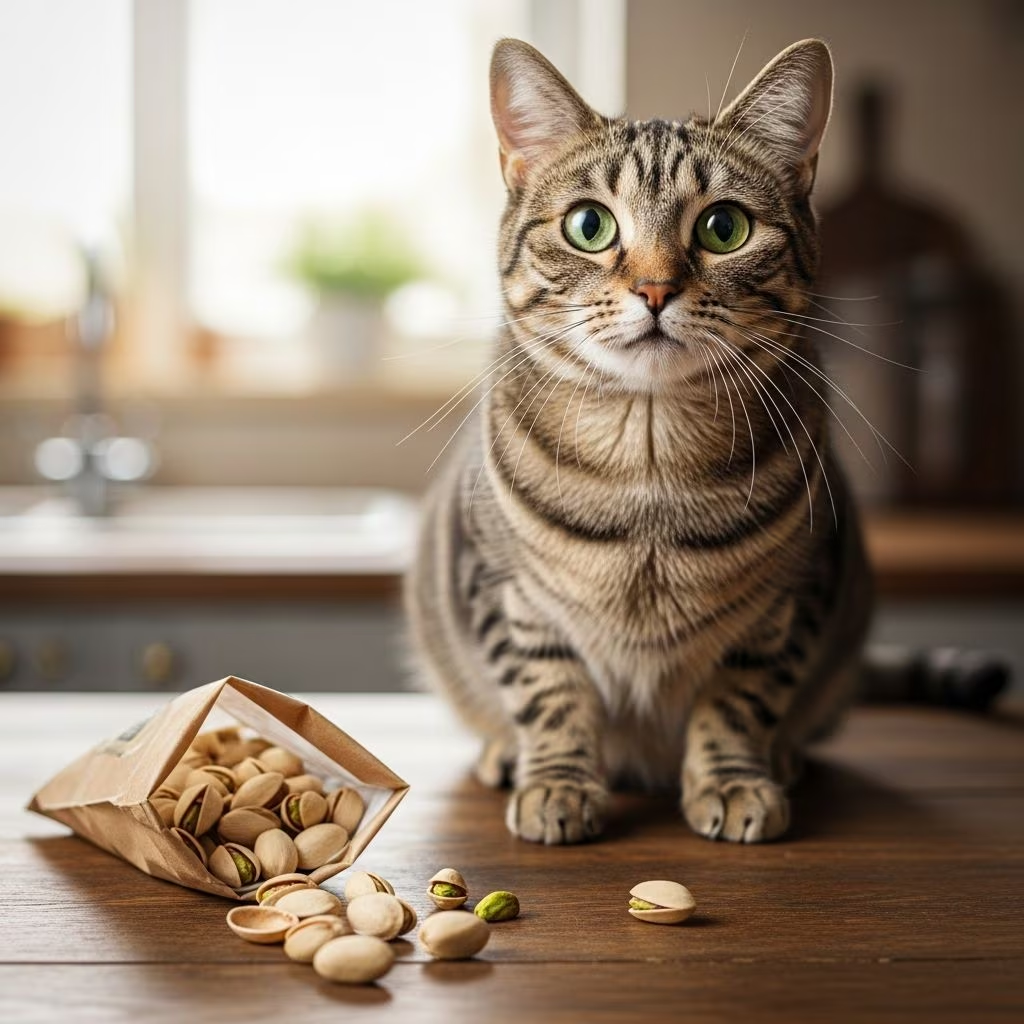
Pistachios offer humans antioxidants, fiber, and healthy fats, but cats have no biological need for them in their obligate carnivore diet. While non-toxic, pistachios present multiple risks including high fat content leading to pancreatitis, choking hazards from nuts and shells, excessive salt, and potential digestive blockages. Veterinary experts recommend avoiding them entirely and opting for cat-specific treats instead.
Pistachio Nutrition Facts
Pistachios pack impressive nutrition for people, but these benefits don’t translate to cats. A typical serving (about 49 kernels or 28g) provides the following per 100g serving for reference:
| Nutrient | Amount per 100g | % Daily Value (Human) |
|---|---|---|
| Calories | 562 | 28% |
| Fat | 45g | 58% |
| Sodium | 26mg | 1% |
| Potassium | 1025mg | 22% |
| Carbohydrates | 28g | 10% |
| Protein | 20g | 40% |
| Vitamin B6 | 1.7mg | 100% |
| Iron | 3.9mg | 22% |
Cats derive essential nutrients from meat-based proteins, taurine-rich organs, and balanced commercial foods. The high fat (nearly 50%) and plant fibers in pistachios offer zero advantages and instead burden their short digestive tracts designed for animal prey.
Pistachios Are Non-Toxic to Cats
According to the ASPCA, pistachios rank among nuts that are not truly toxic to cats or dogs, debunking common internet myths. No acute poisoning occurs from plain, unsalted kernels in small amounts. However, ‘non-toxic’ does not equal ‘safe’ or ‘recommended.’ Cats lack the enzymes to efficiently process nut fats and fibers, leading to avoidable health issues. Veterinary sources like Preventive Vet emphasize avoidance due to pancreatitis risks and GI upset from even modest ingestion.
Downfalls of Pistachios for Cats
Several factors make pistachios a poor choice for felines. Their composition clashes with feline physiology, which prioritizes high-protein, low-carb intake from prey animals.
1. Fat
Pistachios contain about 45-56g fat per 100g, predominantly unsaturated but excessive for cats. Felines require 20-35% dietary fat from quality animal sources for energy and coat health, but overload triggers pancreatic inflammation (pancreatitis). Symptoms include vomiting, lethargy, abdominal pain, and diarrhea, potentially requiring hospitalization. Obesity follows repeated exposure, straining hearts and joints in a species prone to weight gain on treats.
2. Salt
Commercial pistachios often carry 200-400mg sodium per serving from seasoning. Cats maintain sodium balance tightly; excess leads to thirst, hypertension, and in severe cases, salt toxicity with tremors or seizures. Even modest amounts disrupt electrolytes without gustatory appeal—cats’ 470 taste buds pale against humans’ 9,000, ignoring saltiness.
3. Seasonings and Additives
Flavorings like garlic, onion, or preservatives (e.g., sodium benzoate) amplify dangers. Allium compounds cause hemolytic anemia by damaging red blood cells. While trace amounts may not harm, they’re unnecessary risks when plain nuts suffice as a bad idea.
4. Shells
Pistachio shells form the gravest threat: hard, sharp, and indigestible. Swallowing risks esophageal tears, intestinal punctures, or blockages necessitating surgery. Their fibrous nature resists breakdown in feline stomachs, unlike softer prey bones. Always discard shells securely.
5. Digestive Issues
High fiber (10g/100g) acts as a laxative, causing diarrhea, bloating, and gas. Cats’ hindgut ferments little plant matter, leading to osmotic imbalances. Whole nuts challenge small mouths and throats.
6. Choking Hazard and Blockages
Kernel size suits cat jaws poorly, risking asphyxiation in gulpers. Shell fragments lodge anywhere from throat to colon, with symptoms like retching or constipation signaling emergencies.
7. Aflatoxins and Fungus
Split shells invite Aspergillus fungi producing aflatoxins—potent hepatotoxins. Cats suffer acute liver failure from small doses, with chronic exposure causing cancer. Mature pistachios heighten vulnerability.
Can Kittens Eat Pistachios?
No—kittens face amplified risks. Immature digestive systems handle fats poorly, elevating pancreatitis odds. Smaller airways heighten choking; consult vets before any human food. Stick to kitten formulas.
Can Cats Eat Flavored Pistachios?
Avoid entirely. Salt, spices, chocolate coatings, or Alliums turn ‘non-toxic’ into hazardous. Even ‘natural’ flavors add sugars cats can’t metabolize well.
What If My Cat Ate Pistachios?
Monitor for vomiting, diarrhea, lethargy, or distress post-ingestion. One or two plain kernels likely pass uneventfully, but shells or multiples warrant vet contact. Induce no vomiting at home; provide water. Severe signs demand immediate care for potential pancreatitis or obstruction.
Top 7 Healthiest Human Foods for Cats
For safe variety, offer these vet-approved options sparingly (10% max calories):
- Cooked Chicken or Turkey: Lean protein boosts without fat excess. Shred boneless, unseasoned.
- Boiled Eggs: Complete protein; whites and yolks provide taurine precursors.
- Pureed Pumpkin: Fiber aids digestion; 1 tsp prevents constipation.
- Blueberries: Antioxidants in tiny portions; halve to avoid choking.
- Steamed Fish: Omega-3s for skin; debone salmon or whitefish plainly.
- Cucumbers: Hydration and low-cal crunch; sliced thinly.
- Peeled Apple: Gentle fiber; core-free slivers limit sugar.
These mimic nutritional profiles from prey while minimizing risks.
Final Thoughts
Pistachios tempt as sharing snacks, but feline biology deems them unwise. Non-toxicity offers cold comfort against pancreatitis, blockages, and GI woes. Secure bowls, vacuum shells, and redirect begging to commercial treats or the list above. A vet-tailored diet ensures thriving—consult for personalized advice, especially with health conditions.
Frequently Asked Questions
Are pistachios toxic to cats?
No, plain pistachios aren’t toxic per ASPCA, but high fat, salt, shells, and seasonings make them unsafe.
Will one pistachio hurt my cat?
Likely not, but monitor for upset. Avoid repetition to prevent cumulative fat issues.
Why do pistachios cause pancreatitis in cats?
Excess lipids inflame the pancreas, disrupting digestion. Symptoms emerge 24-48 hours post.
Can cats eat pistachio ice cream?
No—dairy, sugar, and fat exacerbate lactose intolerance and obesity.
What treats can I give my cat instead?
Commercial freeze-dried meats, boiled chicken, or pumpkin. Limit to 10% calories.
References
- Safe and Unsafe Nuts and Seeds For Dogs & Cats — Preventive Vet. 2023-05-15. https://www.preventivevet.com/pets/safe-and-unsafe-nuts-and-seeds-for-pets
- Can Cats Eat Pistachios? Vet-Reviewed Nutritional Facts — Catster. 2024-08-20. https://www.catster.com/nutrition/can-cats-eat-pistachios/
- Can Cats Eat Pistachios? Vet-Reviewed Health & Safety Guide — Hepper. 2024-06-10. https://articles.hepper.com/can-cats-eat-pistachios/
- Internet Myths and Rumors: Pet Toxin Edition — ASPCA. 2022-11-03. https://www.aspca.org/news/internet-myths-and-rumors-pet-toxin-edition
- Can Cats Eat Nuts? — BaxterBoo Blog. 2023-02-14. https://images.baxterboo.com/blog/a.cfm/can-cats-eat-nuts/



