

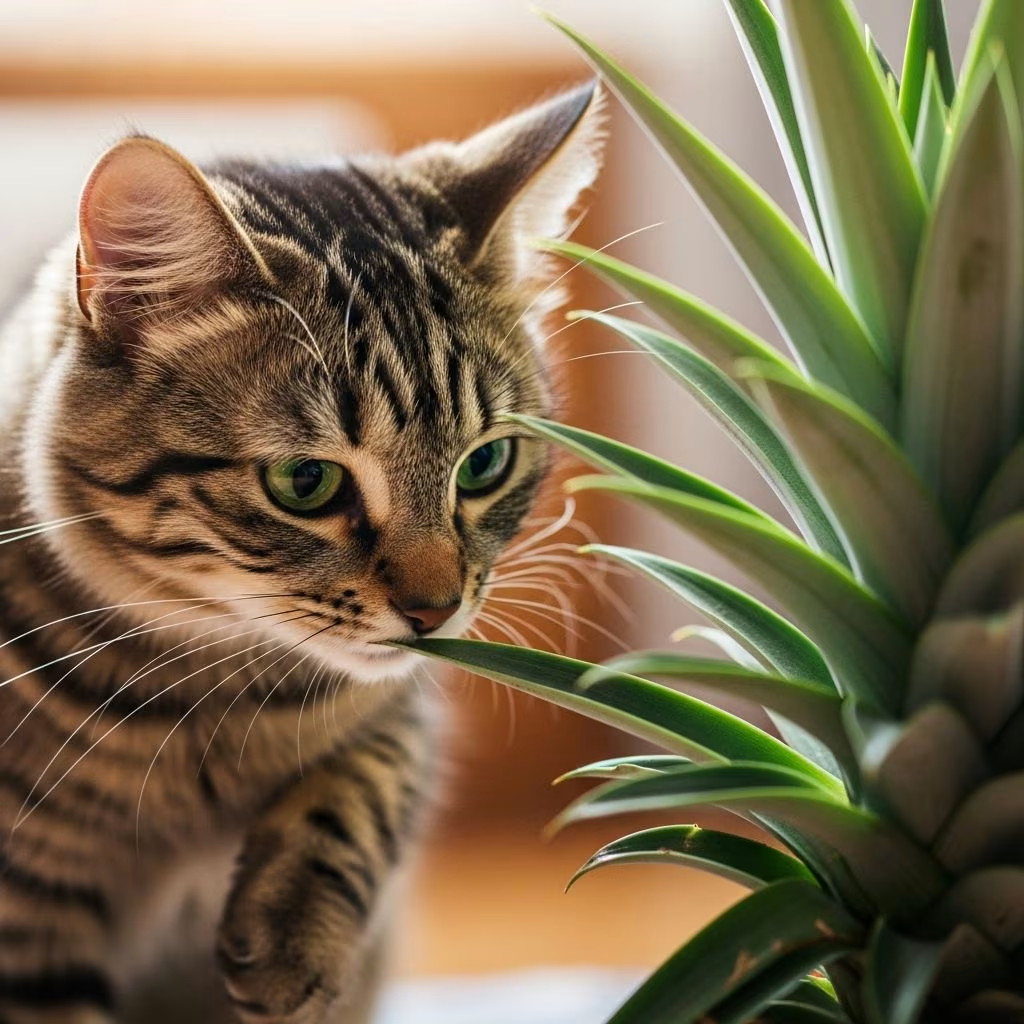
Pineapple leaves are not toxic to cats, but their tough, fibrous nature makes them indigestible and unsuitable as a snack, potentially leading to gastrointestinal issues if consumed in excess.
Many cat owners enjoy pineapples, but curious felines may nibble on the plant’s top, mistaking it for safe greenery. While a small taste poses little risk, regular consumption offers no benefits and could cause discomfort. This guide explores the safety, risks, and reasons behind this behavior, drawing from veterinary insights to help you keep your cat healthy.
Why Can’t Cats Eat Pineapple Leaves?
Cats are obligate carnivores, thriving on meat-based diets rather than plant matter. Pineapple leaves, while non-toxic, lack nutritional value for felines and their composition hinders digestion.
The leaves are waxy, thick, and rubbery, providing zero caloric content or essential nutrients like taurine that cats require. Unlike the fruit, which offers minor vitamins in moderation, the leaves serve no dietary purpose and may irritate the digestive tract.
- Composition Breakdown: Approximately 80% cellulose, 10% hemicellulose, and 5% lignin—fibers indigestible to cats lacking the enzymes to break them down.
- Industry Context: Pineapple leaves represent significant agricultural waste, often repurposed for livestock feed or textiles due to their tough fibers.
Cellulose appears in commercial cat foods as a low-calorie filler to aid digestion and reduce hairballs, but pineapple leaves exceed safe fiber levels, risking blockages with overindulgence.
Dangers of Feeding Pineapple Leaves to Cats
Feeding pineapple leaves isn’t recommended due to their lack of appeal and potential health risks. Cats gain no nutrition from them, and excess intake can lead to serious issues.
Pineapple Leaves Aren’t Digestible
The high fiber content—primarily insoluble—passes through a cat’s system undigested. Small nibbles are typically harmless, but larger amounts may cause:
- Vomiting or regurgitation
- Changes in stool consistency, such as diarrhea or constipation
- Loss of appetite
- Abdominal discomfort or lethargy
If symptoms persist beyond 24 hours, consult a veterinarian promptly, as intestinal blockages require professional intervention. Monitor your cat closely after any plant chewing incident.
Enzymes May Disagree with Your Cat
Pineapple leaves contain bromelain, a protease enzyme from the Bromeliaceae family. While not poisonous, it may cause adverse reactions in sensitive cats.
Bromelain offers anti-inflammatory benefits and is sometimes used in feline supplements for digestion and joint health. However, potential side effects mirror those in humans:
| Potential Side Effect | Description |
|---|---|
| Upset Stomach | Nausea, diarrhea from enzyme activity irritating the gut lining |
| Allergic Reaction | Rare itching, swelling, or hives in predisposed cats |
| Skin Irritation | Contact dermatitis from handling or chewing |
Veterinarians note that most cats tolerate bromelain well in controlled doses, but raw leaves deliver it unpredictably alongside indigestible fibers.
Is Pineapple Bad for Cats?
The pineapple fruit itself is safer than the leaves when given sparingly. Fresh, small pieces provide hydration, fiber, and nutrients without the choking hazards of the top.
- Safe Nutrients: Vitamins A, B6, C, folate; minerals like magnesium and potassium support immunity and digestion.
- Caveats: High fructose content can trigger diarrhea; cats’ inability to taste sweetness reduces appeal.
Remove core, skin, and eyes before offering bite-sized chunks. Avoid canned varieties with syrup, as added sugars exacerbate risks like obesity or diabetes. Limit to occasional treats comprising less than 10% of diet.
Why Do Cats Chew on Pineapple Leaves?
Plant-chewing is common in cats, even obligate carnivores. Pineapple leaves’ texture may intrigue them despite bland taste.
Theories for this behavior include:
- Digestive Aid: Fiber helps expel hairballs or improve stool passage.
- Taste/Texture Enjoyment: Rubbery feel satisfies oral fixation.
- Self-Induced Vomiting: To purge toxins or parasites, a holdover from wild ancestors.
- Boredom/Curiosity: Especially in young or indoor cats seeking stimulation.
- Jaw Exercise: Grinding motions mimic hunting.
- Movement Attraction: Swaying leaves trigger predatory instincts.
A 2021 study found weak evidence for hairball or illness relief, instead supporting evolutionary parasite purging. Younger cats chew more frequently, suggesting innate drive over necessity.
What Should I Do if My Cat Ate Pineapple Leaves?
Remain calm—toxicity is not a concern. Observe for 24-48 hours:
- Watch for vomiting, diarrhea, or appetite loss.
- Ensure access to fresh water to aid fiber passage.
- Contact a vet if symptoms worsen or persist; provide details on quantity consumed.
Prevent repeats by storing pineapples out of reach and offering cat-safe alternatives.
What Greenery Can I Offer My Cat?
Redirect chewing to nutritious, digestible options. Grow these vet-approved plants:
- Cat Grass (Oat, Wheat, Barley): High fiber for hairballs; easy to cultivate indoors.
- Catnip (Nepeta cataria): Stimulates play; safe in moderation.
- Valerian Root: Calming alternative to catnip.
- Silver Vine: Strong attractant for non-responders to catnip.
- Spider Plant: Non-toxic filler, though less nutritious.
Introduce gradually, supervise intake, and rotate to prevent over-reliance. Commercial cat greens provide balanced nutrition without pesticides.
Conclusion
Pineapple leaves won’t poison your cat, but they’re an unappealing, risky choice lacking benefits. Occasional nibbles warrant monitoring, not panic. Discourage habit by enriching environment with toys, safe plants, and playtime. Prioritize a meat-rich diet for optimal health—consult your vet for personalized advice on treats and foliage.
Frequently Asked Questions (FAQs)
Are pineapple leaves toxic to cats?
No, pineapple leaves are not toxic, but their indigestible fibers can cause vomiting or blockages if eaten excessively.
Can cats eat pineapple fruit?
Yes, small fresh pieces are safe occasionally, offering vitamins but watch for sugar-induced diarrhea.
Why does my cat chew on plants?
Instinctual behavior for fiber, boredom relief, or parasite purging; provide cat grass as a safe outlet.
What if my cat ate a lot of pineapple leaves?
Monitor for GI upset; seek vet care if vomiting, lethargy, or no appetite occurs within 24 hours.
Is bromelain in pineapple safe for cats?
Generally yes, with anti-inflammatory benefits, but raw leaf form may irritate sensitive stomachs.
References
- Can Cats Eat Pineapple Leaves? Vet Reviewed Dangers & Advice — Catster. 2023-10-15. https://www.catster.com/nutrition/can-cats-eat-pineapple-leaves/
- Are Pineapple Leaves Toxic to Cats? Vet-Approved Facts & Safety — Hepper. 2024-05-20. https://articles.hepper.com/are-pineapple-leaves-toxic-to-cats/
- What Fruits Can Cats Eat? 19 Fruits Safe for Cats — PetMD. 2025-03-12. https://www.petmd.com/cat/nutrition/which-fruits-can-cats-eat
- Composition of Pineapple Leaves (Cellulose Content) — USDA Agricultural Research Service. 2022-07-01. https://www.ars.usda.gov/research/publications/publication/?seqNo115=413892
- Plant-Eating Behavior in Domestic Cats: A Survey Study — Journal of Feline Medicine and Surgery. 2021-11-18. https://doi.org/10.1177/1098612X211056318



