

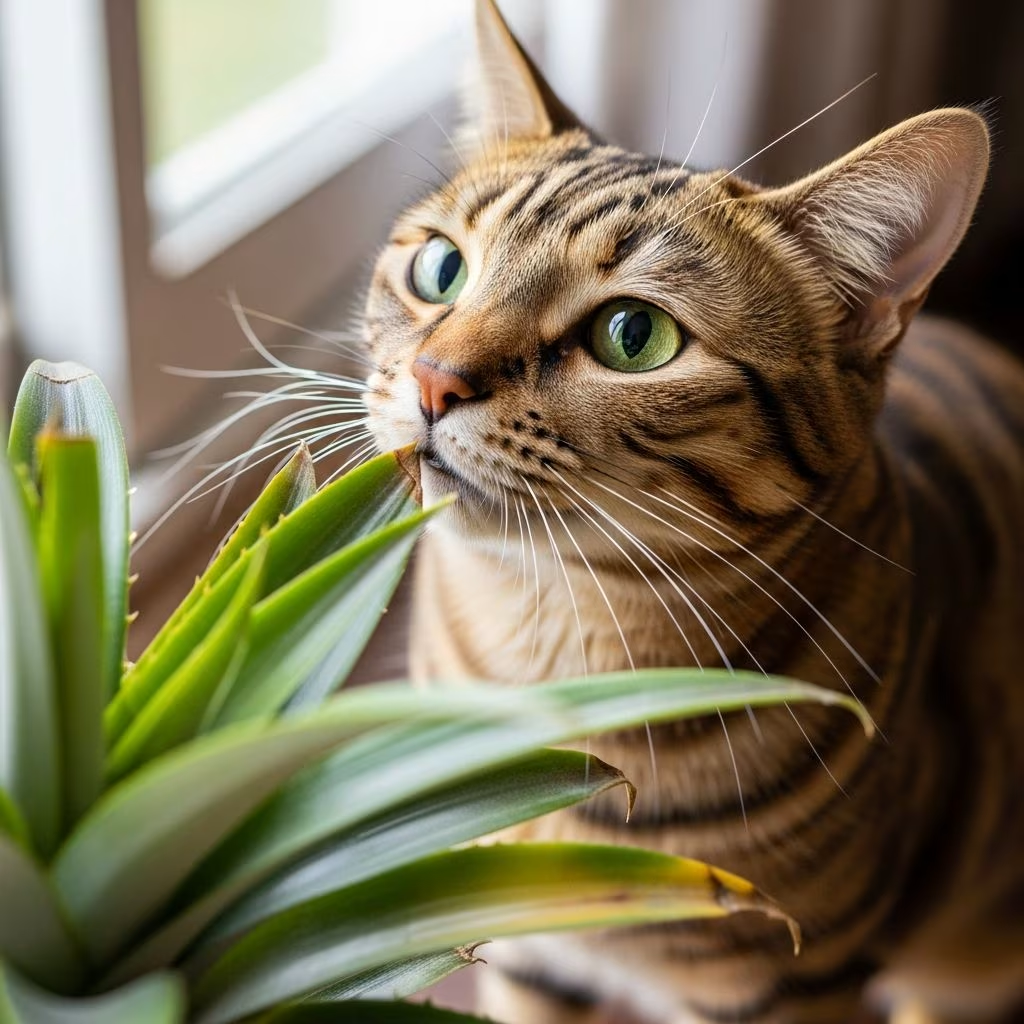
Pineapple leaves are not toxic to cats and pose minimal risk in small nibbles, but they offer no nutritional value and can cause digestive issues if consumed excessively due to their indigestible fibrous nature.
Cats, as obligate carnivores, primarily derive energy from meat-based proteins, making plant materials like pineapple leaves unsuitable for their diet. While a curious bite won’t typically harm your feline friend, regular consumption is discouraged to avoid potential health complications.
Why Can’t Cats Eat Pineapple Leaves?
Although pineapple leaves aren’t poisonous, their tough, waxy texture makes them largely indigestible for cats, providing zero caloric benefit and risking gastrointestinal upset if overeaten. Cats lack the enzymes to break down the high cellulose content effectively, unlike herbivores designed for fibrous diets.
The leaves’ rubbery composition can lead to minor irritation or blockages in larger quantities, emphasizing why they shouldn’t be a dietary staple. Veterinary experts recommend sticking to balanced commercial cat foods formulated for feline nutritional needs.
Dangers of Feeding Pineapple Leaves to Cats
Pineapple leaves lack flavor and nutrition for cats, consisting mainly of indigestible fibers that offer no energy or vital nutrients. Overindulgence can result in vomiting, diarrhea, or appetite loss, warranting immediate veterinary attention.
Pineapple Leaves Aren’t Digestible
Pineapple leaves are composed of approximately 80% cellulose, 10% hemicellulose, and 5% lignin—fibrous materials that cats cannot digest due to insufficient microbial fermentation in their short digestive tracts. These components pass through largely unchanged, potentially causing intestinal blockages if ingested in volume.
While small amounts of insoluble fiber from sources like cellulose in cat food aid stool consistency and hairball reduction, pineapple leaves exceed safe levels. Industry uses include livestock feed and textiles, but for cats, even modest quantities beyond a nibble pose risks. Monitor for symptoms like persistent vomiting, abnormal defecation, or lethargy, and consult a vet promptly.
- Cellulose (80%): Primary plant cell wall component; indigestible for carnivores.
- Hemicellulose (10%): Supports structure but ferments poorly in cats.
- Lignin (5%): Woody fiber adding to bulk without nutritional yield.
Enzymes May Disagree with Your Cat
Pineapple leaves contain bromelain, a protease enzyme from the Bromeliaceae family, which is non-toxic but may cause stomach upset, allergic reactions, or skin irritation in sensitive cats. While bromelain offers anti-inflammatory benefits in controlled supplements, raw leaf concentrations can irritate the feline gut.
Adverse effects mirror human responses: nausea, diarrhea, or rashes. Cats process enzymes differently, so even beneficial compounds in excess can disrupt digestion. Offer vet-approved alternatives for inflammation rather than risking plant-derived sources.
Is Pineapple Skin Bad for Cats?
Pineapple skin, like the leaves, is mostly indigestible fiber with sharp, spiny edges that can injure a cat’s mouth or digestive tract. While not nutritionally harmful, the rigid points discourage consumption, reducing risk but not eliminating it entirely.
The skin’s tough exterior provides no benefits and may lead to choking or irritation. Remove all non-flesh parts before any fruit sharing to prioritize safety.
Is Pineapple Bad for Cats?
Fresh pineapple fruit is safe for cats in small, occasional amounts, offering trace vitamins A, B6, manganese, folate, and copper that support immunity, protein digestion, and red blood cell production. However, its high fructose content can trigger diarrhea or GI upset if overfed.
Cats cannot taste sweetness, so appeal is limited to texture. Moderation is key—limit to a few small bites weekly. Excess fiber or sugars displace essential proteins and fats. Pineapple’s water content aids hydration for dry-food eaters, but it doesn’t replace a complete diet.
| Nutrient | Benefit for Cats | Caution |
|---|---|---|
| Vitamin A & B6 | Immune & nutrient absorption | Excess vitamin C may form stones |
| Manganese & Folate | Protein digestion & blood cells | Trace only; not a primary source |
| Fiber & Water | Digestion & hydration | Too much causes loose stools |
Unripe pineapple is toxic, causing severe vomiting and diarrhea—ensure ripeness if sharing.
Why Do Cats Chew on Pineapple Leaves?
Cats chew plants like pineapple leaves for instinctual reasons despite their carnivorous nature. Common theories include digestive aid, sensory pleasure, or behavioral needs.
- Digestion Aid: Fiber helps expel hairballs and improve gut motility.
- Taste & Texture: Enjoyable mouthfeel or mild appeal.
- Vomiting Induction: Self-medication for nausea or illness.
- Boredom/Curiosity: Exploration in understimulated environments.
- Jaw Exercise: Strengthens teeth and relieves teething discomfort.
- Movement Attraction: Swaying leaves mimic prey.
Provide safe alternatives like cat grass to redirect this behavior safely.
How to Stop Your Cat from Eating Pineapple Leaves
Prevent access by storing pineapples out of reach, using deterrents like citrus sprays, or offering engaging toys and scratching posts. Enrich the environment with vertical spaces and puzzle feeders to combat boredom-driven chewing.
Training via positive reinforcement—reward ignoring plants—builds better habits. If persistent, rule out nutritional deficiencies or medical issues with a vet visit.
- Store fruits securely in high cabinets or refrigerators.
- Apply pet-safe bitter sprays on leaves.
- Introduce catnip, silver vine, or wheatgrass.
- Increase playtime to 15-20 minutes daily.
Conclusion
Pineapple leaves aren’t the worst chewing target for cats but provide no value and carry avoidable risks. A nibble is usually harmless—watch for upset—but proactive measures keep your cat safer. Prioritize species-appropriate nutrition and safe outlets for natural behaviors to ensure a healthy, happy feline.
Frequently Asked Questions (FAQs)
Q: Are pineapple leaves toxic to cats?
A: No, they are non-toxic but indigestible, risking GI issues in excess.
Q: Can cats eat pineapple fruit safely?
A: Yes, small ripe pieces occasionally; avoid rind, skin, leaves, and unripe fruit.
Q: Why do cats chew on plants like pineapple leaves?
A: For fiber, boredom, jaw exercise, or instinctual reasons.
Q: What if my cat ate a lot of pineapple leaves?
A: Monitor for vomiting, diarrhea, or lethargy; contact vet if symptoms appear.
Q: Is bromelain in pineapple leaves safe for cats?
A: Non-toxic but may cause stomach upset in some cats.
Q: Are there safer plants for cats to chew?
A: Yes, cat grass, spider plants, or Bromeliaceae family members are vet-approved.
References
- Can Cats Eat Pineapple Leaves? Vet Reviewed Dangers & Advice — Catster. 2023-10-15. https://www.catster.com/nutrition/can-cats-eat-pineapple-leaves/
- Can Cats Eat Pineapple? Vet-Approved Nutritional Facts — Catster. 2024-05-20. https://www.catster.com/nutrition/can-cats-eat-pineapple/
- What Fruits Can Cats Eat? — PetMD. 2024-08-12. https://www.petmd.com/cat/nutrition/which-fruits-can-cats-eat
- 21 Plants That Are Safe for Cats (Vet Approved) — Catster. 2024-03-05. https://www.catster.com/cat-health-care/plants-safe-for-cats/
- Can Cats Eat Pineapple? Human Food for Cats? — Kinship. 2023-11-10. https://www.kinship.com/cat-nutrition/can-cats-eat-pineapple



