

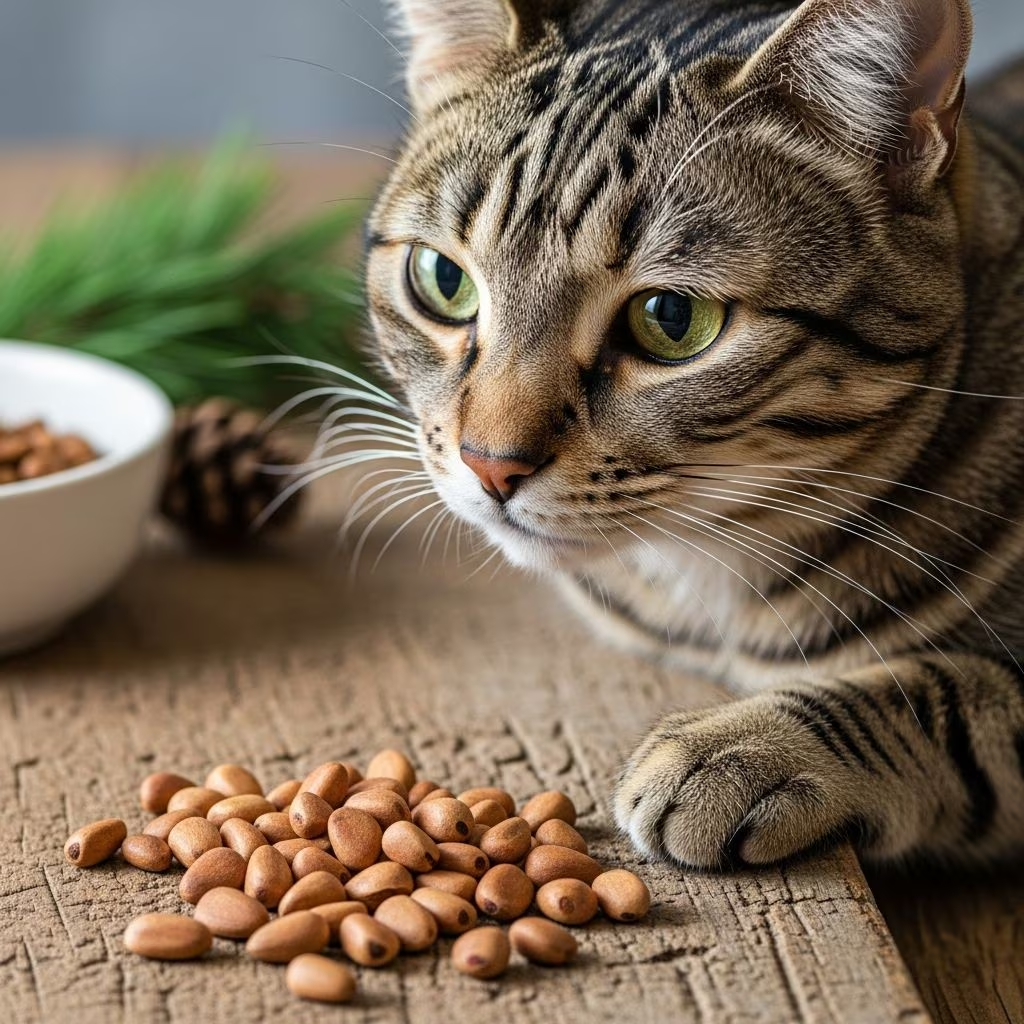
Pine nuts offer humans energy boosts and skin health benefits, but for cats, the story differs. While pine nuts are non-toxic to cats and safe in very small amounts, they pose risks due to high fat content, potential choking hazards, and lack of nutritional necessity for felines.
Cats are obligate carnivores, thriving on meat-based diets rather than plant-derived nuts. Offering pine nuts occasionally won’t likely harm most cats, but moderation is key to avoid gastrointestinal upset like vomiting or diarrhea. This comprehensive guide explores safety, risks, allergies, and alternatives, drawing from veterinary insights.
Can Cats Eat Pine Nuts?
Yes, most cats can eat pine nuts in small quantities without immediate toxicity issues. Veterinary sources confirm pine nuts are not poisonous, unlike some nuts such as macadamias. However, their high fat profile—around 68 grams of fat per 100 grams—exceeds what a cat’s digestive system handles efficiently.
Cats lack the enzymes to process large fat loads, leading to potential pancreatitis or hyperlipidemia with overconsumption. Pine nuts’ small size amplifies choking risks, as cats swallow food whole rather than chewing, per their carnivorous dental design.
- Recommended serving: No more than 1-2 pine nuts occasionally for an average adult cat.
- Preparation tips: Unsalted, shelled, plain; crush into smaller pieces to minimize choking.
- Frequency: Not daily—treats should comprise less than 10% of caloric intake.
Better yet, skip them entirely. Cats derive no unique benefits from pine nuts that commercial cat food doesn’t provide, and risks outweigh minimal gains.
Can Cats Be Allergic to Nuts?
Nut allergies in cats are rare but possible, mirroring human reactions though less common than protein allergies (e.g., beef, fish). Approximately 1-2% of cats may show sensitivities to nuts, presenting severe symptoms even from trace amounts.
Common allergy signs include:
- Rash or itchy skin
- Hot spots (moist dermatitis)
- Runny or watery eyes
- Vomiting and diarrhea
- Hair loss or excessive grooming
- Facial swelling or hives
- Difficulty breathing (anaphylaxis—emergency)
If symptoms appear post-nut exposure, discontinue immediately and consult a vet. Diagnosis involves elimination diets or allergy testing. Prevention is simplest: avoid nuts if your cat has a history of food sensitivities.
My Cat Loves Pine Nuts, Can They Eat a Lot of Them?
No—large quantities of pine nuts are harmful. A ‘lot’ means more than a handful (e.g., 10+ nuts), triggering fat overload. Consequences include:
- Short-term: Vomiting, diarrhea, lethargy from GI upset.
- Long-term: Obesity, pancreatitis (inflammation of the pancreas), hyperlipidemia (elevated blood fats).
Cats require about 20-35% dietary fat from animal sources, not the 68% in pine nuts. Chronic high-fat treats disrupt gut microbiota, leading to poor nutrient absorption and weight gain. If your cat begs for them, redirect to vet-approved low-fat options like freeze-dried meat treats.
What Should I Do If My Cat Ate Pine Nuts?
Assess quantity first: 1-2 nuts? Monitor for 24-48 hours. More? Watch closely and contact your vet.
Steps to take:
- Remove access to more nuts.
- Observe for symptoms: vomiting, diarrhea, dehydration (sunken eyes, tacky gums), lethargy.
- Offer water; withhold food 12 hours if vomiting.
- Call vet if symptoms persist >24 hours or worsen—dehydration risks escalate quickly in cats.
Vets may recommend subcutaneous fluids, anti-nausea meds, or diagnostics like bloodwork for pancreatitis. Most recover fully with prompt care; allergies demand immediate intervention.
What About Other Nuts? Are They Okay for Cats?
Most nuts carry similar fat/choking risks, but toxicity varies. Use this table for quick reference:
| Safe Nuts (Tiny Amounts, Rarely) | Unsafe/Toxic Nuts |
|---|---|
| Plain, unsalted peanuts (shelled) | Macadamia nuts (highly toxic) |
| Roasted, shelled cashews (cooked only) | Raw cashews |
| Hazelnuts (plain) | Pistachios (high salt/fat) |
| Old/moldy nuts (aflatoxins, seizures) | |
| Seasoned/spicy nuts (garlic toxic) |
Safe nuts: Limited to occasional tiny pieces; still high-fat. Unsafe: Macadamias cause weakness/neurological issues; moldy walnuts risk tremors/seizures from mycotoxins. Always prioritize cat-specific treats.
Nutritional Profile of Pine Nuts: Do Cats Benefit?
Pine nuts pack protein (13g/100g), healthy fats, vitamins (E, K), and minerals (magnesium, zinc, iron). However, cats need animal-based proteins and can’t efficiently metabolize plant fats or convert plant nutrients optimally.
Commercial cat foods meet AAFCO standards for all essentials. Pine nuts add empty calories (673 kcal/100g), risking imbalance without benefits. Opt for nutrient-dense treats instead.
Healthier Alternatives to Pine Nuts for Cats
Skip nuts; choose these vet-recommended, low-risk treats:
- Meat-based: Cooked chicken, turkey, salmon (plain, boneless).
- Commercial: Freeze-dried liver, tuna flakes.
- Veggies: Steamed pumpkin, carrots (fiber aids digestion).
- DIY: Diluted tuna water or baby food (meat-only).
Portion control prevents obesity; rotate for variety.
Frequently Asked Questions (FAQs)
Q: Are pine nuts toxic to cats?
A: No, pine nuts are non-toxic but high in fat, causing GI upset if overeaten. Limit to tiny amounts.
Q: Can kittens eat pine nuts?
A: No—kittens’ systems are more sensitive; stick to kitten formula and vet-approved treats.
Q: What if my cat chokes on a pine nut?
A: Perform cat Heimlich (back blows/abdomen thrusts); seek emergency vet care immediately.
Q: Are shelled pine nuts safer?
A: Slightly, but still risky due to fat and size; shells add obstruction hazard.
Q: How do I prevent nut access?
A: Store in airtight containers high up; train ‘leave it’ command.
Final Thoughts
Pine nuts won’t kill your cat in small doses, but they’re not ideal. High fat, choking risks, and allergy potential make them poor choices. Focus on balanced cat food and safe treats for optimal health. Consult your vet for personalized advice—your feline’s well-being comes first.
References
- Can Cats Eat Pine Nuts? Vet-Reviewed Facts & FAQ — Catster. 2023. https://www.catster.com/nutrition/can-cats-eat-pine-nuts/
- Can Cats Eat Pine Nuts? Vet-Reviewed Facts & Risks — Hepper. 2023. https://articles.hepper.com/can-cats-eat-pine-nuts/
- Safe and Unsafe Nuts and Seeds For Dogs & Cats — Preventive Vet. 2023. https://www.preventivevet.com/pets/safe-and-unsafe-nuts-and-seeds-for-pets
- Can My Cat Eat That? The Most Commonly Asked Culprits — Pine Hollow Veterinary Hospital. 2023. https://www.pinehollowvet.com/services/blog/can-my-cat-eat-most-commonly-asked-culprits-answered-veterinarian
- Can Cats Eat Nuts? — Untamed. 2023. https://untamed.com/blogs/nutrition/can-cats-eat-nuts



