

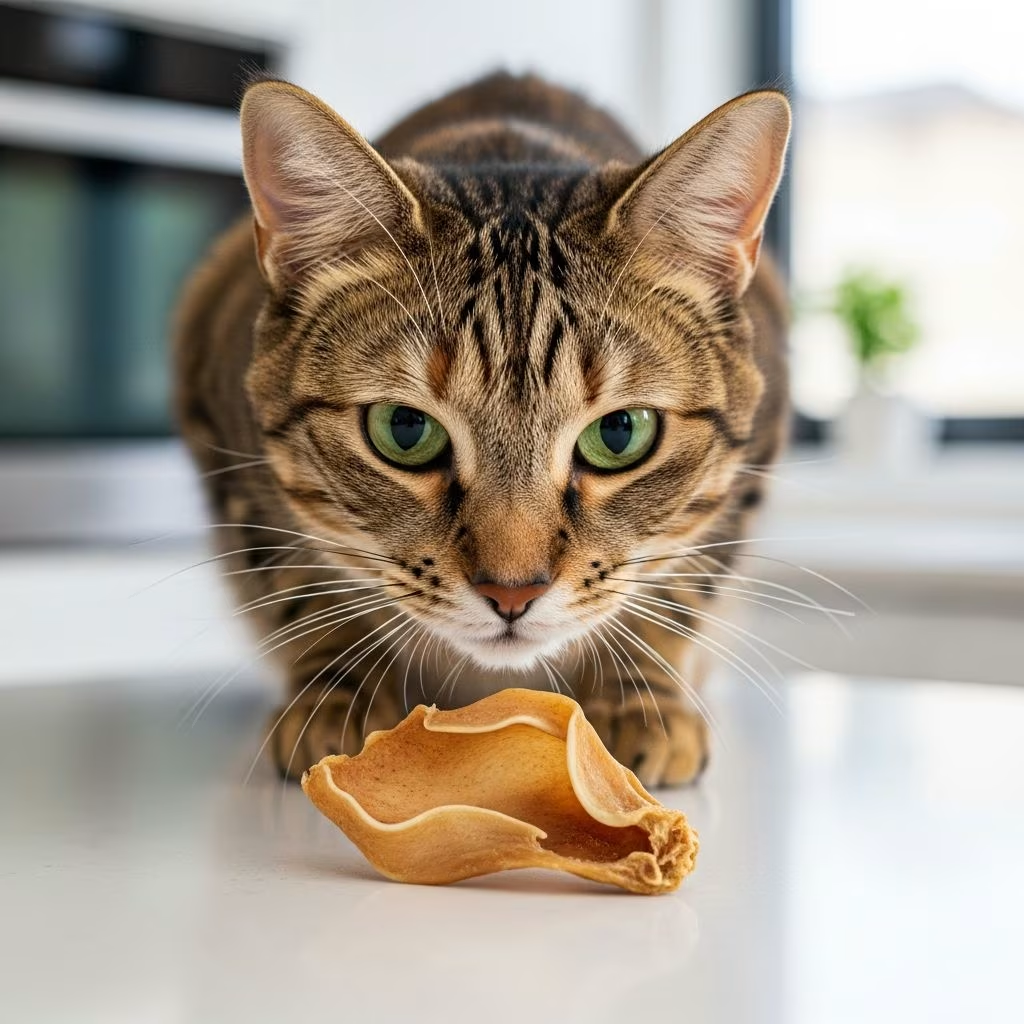
Pig ears are popular chewy treats primarily designed for dogs, offering a tough texture for gnawing and some nutritional value from animal protein. However, for cats—obligate carnivores with specific dietary needs—these treats present several challenges. Although pig ears are not toxic to cats and align somewhat with their protein requirements, they are not recommended due to high risks of bacterial contamination, excessive fat and calories leading to obesity, potential dental damage from their hardness, and digestive upset.
Cats have smaller mouths and different chewing mechanisms compared to dogs, relying on shearing motions for fresh prey rather than prolonged gnawing. This mismatch makes pig ears inefficient and hazardous for felines. Indoor cats, typically around 10 pounds, require only about 200 calories daily; a single pig ear can exceed this, promoting weight gain and related health issues like diabetes and joint problems.
Why Shouldn’t Cats Eat Pig Ears?
Pig ears demand repetitive, forceful chewing that suits dogs but not cats. Felines possess a dental structure optimized for quick shearing and swallowing of soft tissues, not brittle, dehydrated hides like pig ears. This leads to inefficient mastication, where cats may struggle to break them down, increasing choking risks or foreign body obstructions in the digestive tract.
- High Fat and Calorie Content: Pig ears are dense in fats, which can trigger vomiting, diarrhea, or pancreatitis in sensitive cats. Regular intake contributes to obesity, shortening lifespan and exacerbating conditions like arthritis.
- Dental Risks: The tough, splinter-prone texture can fracture teeth or wear down enamel, causing pain and veterinary expenses.
- Salmonella Contamination: A major concern, with historical outbreaks linked to pig ears. The CDC documented cases in 2019, and the AVMA noted ongoing issues into 2020, even after bulk storage in pet stores facilitates bacterial spread.
Handling pig ears also poses human health risks, especially for immunocompromised individuals, as salmonella persists on surfaces.
Cat Nutrition in Short
As obligate carnivores, cats thrive on diets comprising at least 70% animal proteins, mirroring their wild prey-based intake. Essential nutrients include taurine for heart and eye health, arachidonic acid for skin and coat, and high-quality proteins for muscle maintenance. Commercial cat foods are formulated to meet these AAFCO standards, providing balanced nutrition without excesses.
Pig ears offer protein but lack completeness, serving more as ‘junk food’ with minimal vitamins or minerals beyond basic macros. Treats should constitute no more than 10% of daily calories to avoid nutritional imbalances.
Pigs’ Ears Nutrition
Nutritionally, pig ears average around 69% protein, making them a supplemental animal source, but this figure comes from industry sources promoting similar products, warranting caution. They are alarmingly high in sodium—about 8% of human daily needs per serving, or 56 times the feline recommendation—posing dangers for cats with kidney disease or hypertension.
| Nutrient | Amount per Pig Ear (Approx.) | Implications for Cats |
|---|---|---|
| Protein | 69% | Beneficial but incomplete |
| Fat | High (variable) | Risk of obesity, GI upset |
| Sodium | ~8% human RDA | Excessive; kidney strain |
| Calories | >200 per treat | Exceeds daily needs |
Overall, they provide empty calories without dense micronutrients, akin to processed snacks for humans.
Salmonella Risk With Pigs’ Ears
Salmonella outbreaks tied to pig ears have plagued the pet industry. In 2019, the CDC linked treats from certain importers to human and animal infections, with over 50% of tested pig ears contaminated in some studies. Bulk bin storage exacerbates this, as bacteria linger in environments.
Cats may show mild symptoms like lethargy or diarrhea, but severe cases require hospitalization. Immunocompromised pets or owners face higher dangers. Even post-2019 recalls, the AVMA urged caution in 2020 due to persistent risks. The FDA and CDC emphasize thorough cooking and sourcing from reputable suppliers, but for cats, avoidance is safest.
Are There Benefits to Feeding Pork to Cats?
Plain pork offers benefits: a 3-ounce lean tenderloin provides 22g protein, phosphorus for bones/teeth, and niacin for metabolism. Pork fits carnivorous needs when lean and unseasoned. However, processed forms like bacon or ears amplify fats and additives, negating positives.
Veterinarians generally view pork as non-ideal compared to chicken or fish, due to potential allergies or digestive sensitivities. It should never replace balanced kibble or wet food.
How Can Cats Enjoy Pork?
For safe pork treats:
- Cook thoroughly to eliminate bacteria like salmonella.
- Use lean cuts like tenderloin, baked without oils or seasonings.
- Avoid alliums (onions, garlic), salt, or spices—toxic to cats.
- Portion tiny amounts: 1-2 teaspoons max daily.
Opt for commercial cat foods with pork blends, tailored for life stages (kitten, senior) or needs (hairball control). These ensure taurine and balance.
Alternatives to Pigs’ Ears
Healthier chews for cats avoid pig ears’ pitfalls:
- Freeze-Dried Treats: Chicken, fish, or liver bits—low calorie, high protein.
- Lamb Ears: Softer, less splintery; liver-coated options add taurine.
- Rawhide Alternatives: Cat-specific dental chews reduce plaque without hardness.
- Vegetable-Based: Carrot sticks or pumpkin puree for fiber (in moderation).
- Commercial Cat Treats: Brands like Ziwi or Wellness offer nutrient-dense options.
These provide engagement without health trade-offs.
Frequently Asked Questions
Are Pig Ears Toxic to Cats?
No, pig ears aren’t inherently toxic, but risks like salmonella, obesity, and dental fractures make them unsafe.
Can Cats Have Unlimited Treats?
No, treats should be ≤10% of diet to prevent weight gain and deficiencies.
What Are Signs of Salmonella in Cats?
Lethargy, diarrhea, vomiting; severe cases need vet care with cultures for diagnosis.
Is Pork Safe for Cats?
Lean, plain, cooked pork in tiny amounts yes; avoid fatty/processed forms.
What Are the Best Cat Treats?
High-protein, low-calorie options like freeze-dried meat or vet-approved chews.
Final Thoughts
While cats might nibble pig ears without immediate harm, the cumulative risks—bacterial infection, caloric overload, dental injury—outweigh sparse benefits. Prioritize vet-formulated foods and safe treats for longevity and vitality. Consult your veterinarian for personalized advice, especially for cats with health conditions.
References
- Can Cats Eat Pigs’ Ears? Here’s Nutrition Facts & FAQ — Hepper. 2023-10-15. https://articles.hepper.com/can-cats-eat-pigs-ears/
- Can Cats Eat Pig Ears? Vet-Approved Facts & FAQ — Catster. 2024-05-20. https://www.catster.com/nutrition/can-cats-eat-pig-ears/
- Are Pig Ears Good For Dogs? — Whole Dog Journal. 2023-08-12. https://www.whole-dog-journal.com/food/are-pig-ears-good-for-dogs/
- Pet treat danger — Worms & Germs Blog (University of Guelph). 2008-08-20. https://www.wormsandgermsblog.com/2008/08/articles/diseases/salmonella/pet-treat-danger/
- Salmonella Outbreaks Linked to Pig Ear Dog Treats — CDC. 2019-10-10. https://www.cdc.gov/salmonella/pig-ear-dog-treats-10-19/index.html



