

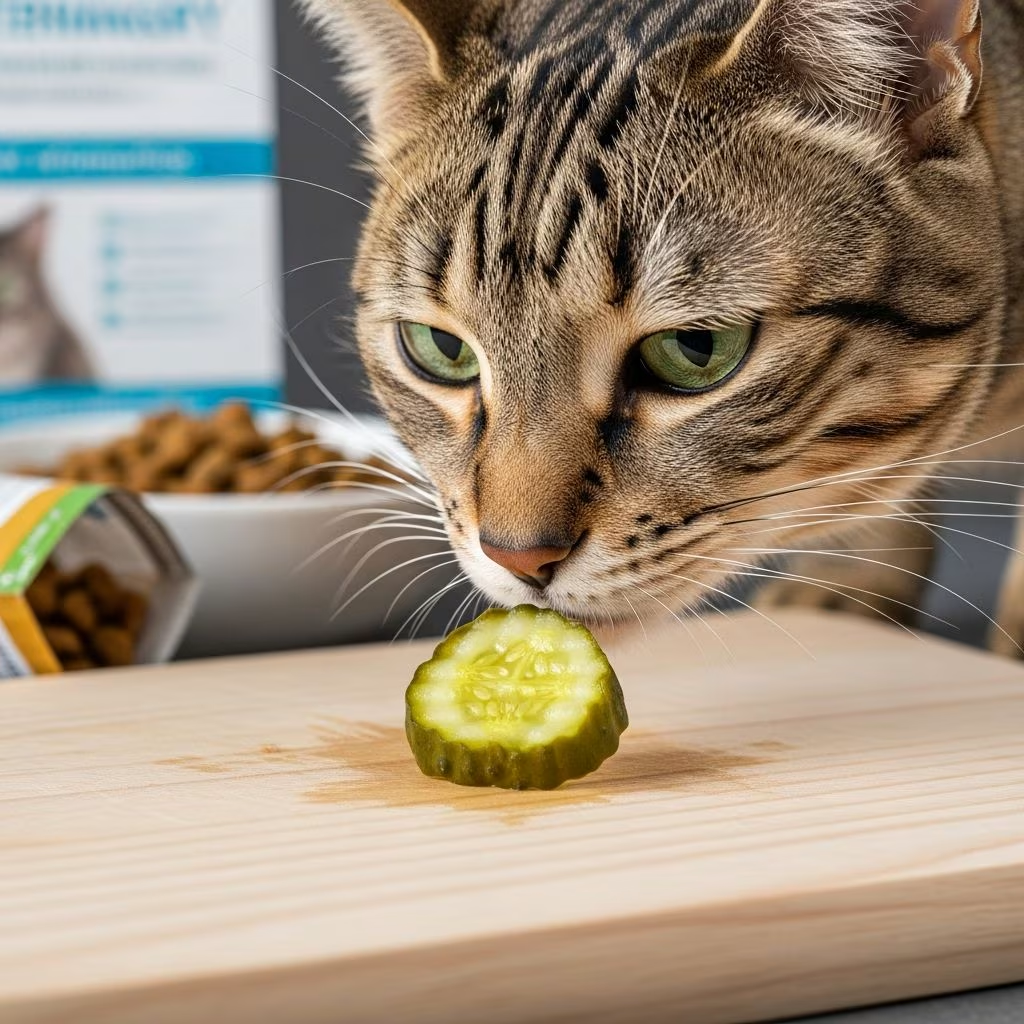
Can Cats Eat Pickles? A Complete Guide for Cat Owners
If you enjoy pickles as a snack or side dish, you may have wondered whether it’s safe to share this tangy treat with your feline companion. The straightforward answer is no—cats should not eat pickles. While the cucumbers that form the base of most pickles aren’t inherently toxic to cats, the pickling process introduces ingredients and preservatives that pose significant health risks to your pet. Understanding why pickles are unsafe for cats is essential for any responsible pet owner who wants to keep their furry friend healthy and thriving.
Why Are Pickles Unsafe for Cats?
Although cucumbers themselves contain beneficial water and some vitamins, the pickling process transforms them into a food that’s inappropriate for feline consumption. Several factors make pickles dangerous for cats:
High Sodium Content
The primary concern with pickles is their exceptionally high salt content. Pickles are made by soaking cucumbers in brine—a solution containing significant amounts of salt used as a preservative. One study found that the average pickle contains approximately eight times the amount of daily sodium that a cat requires. Cats have much stricter sodium requirements than humans, and their bodies aren’t designed to process excess salt effectively.
Cats should consume no more than 42 milligrams of sodium per day. Even a small pickle can easily exceed this daily limit, making regular consumption of pickles particularly dangerous for cats. This excess sodium can lead to serious health complications over time, particularly affecting the kidneys and cardiovascular system.
Vinegar and Acidity
The pickling liquid contains vinegar, which is highly acidic. This acidity can upset a cat’s sensitive digestive system, potentially causing gastrointestinal distress. Cats have different digestive needs than humans, and acidic foods are not well-tolerated by their systems. Exposure to vinegar through pickles can result in nausea, vomiting, or diarrhea.
Potentially Toxic Seasonings
While basic pickles contain just cucumbers and brine, many commercial pickle varieties are flavored with additional spices and seasonings. Two particularly dangerous ingredients sometimes added to pickles are:
- Garlic: Toxic to cats and can cause damage to red blood cells, leading to hemolytic anemia, which can be severe and potentially life-threatening
- Onions: Also toxic to felines and can cause similar damage to red blood cells
Even small amounts of garlic or onions can harm cats, with kittens being at particularly high risk due to their smaller body size and developing systems. Before offering any pickle product to a cat, it’s crucial to check the ingredient list carefully.
Health Risks Associated With Pickle Consumption in Cats
Sodium Toxicity
Excessive sodium consumption can lead to salt poisoning in cats, also called hypernatremia. This condition occurs when salt levels in the bloodstream become dangerously elevated. Symptoms of salt poisoning include:
- Lack of balance or coordination
- Vomiting
- Excessive thirst
- Lethargy or weakness
- Behavioral changes
While a single bite of pickle is unlikely to cause acute salt poisoning, repeated exposure or consumption of larger amounts can result in chronic health issues.
Dehydration and Kidney Damage
High sodium intake can cause dehydration in cats, as their bodies attempt to dilute excess salt through increased water loss. Over time, chronic dehydration from excessive sodium consumption can lead to kidney damage—a serious concern for cats, as kidney disease is already common in felines and can be life-threatening.
Nutritional Imbalance
Cats are obligate carnivores, meaning they require most of their nutrients from meat-based foods. Pickled cucumbers provide minimal nutritional benefit to cats and don’t align with their dietary needs. Feeding cats non-meat foods like pickles displaces more nutritious options from their diet.
What Should You Do If Your Cat Eats Pickles?
Immediate Steps
If you discover that your cat has eaten pickles, don’t panic. Most cases of accidental pickle consumption by cats resolve without serious consequences. However, follow these steps:
- Remove the source: Take away any remaining pickles to prevent further ingestion
- Check the ingredients: Review the pickle jar’s ingredient list to identify if dangerous ingredients like garlic or onions are present
- Offer fresh water: Provide your cat with fresh water to help dilute excess sodium and maintain hydration
- Monitor closely: Watch your cat for signs of distress over the next 24-48 hours
When to Contact Your Veterinarian
Contact your veterinarian immediately if your cat displays any of these symptoms after consuming pickles:
- Vomiting or diarrhea
- Lethargy or unusual behavior
- Loss of balance or coordination
- Excessive thirst or urination
- Loss of appetite
- Tremors or seizures
Your vet can assess your cat’s condition based on the amount consumed, the type of pickle, and your cat’s overall health. In most cases, a small amount of regular pickle won’t cause serious harm, but professional guidance is always prudent when in doubt.
The Unlikely Scenario: Why Cats Usually Avoid Pickles
One fortunate reality for cat owners is that many cats naturally show little interest in eating pickles. Cats are attracted to foods with strong meat-based scents and flavors. Pickles, with their vinegary and salty profile, typically don’t appeal to felines’ taste preferences. This natural aversion means that pickle consumption is often not a major concern for cat owners, though vigilance is still important when eating pickles around pets.
Safe Alternatives for Your Cat
If you want to provide your cat with healthy treats or supplements to their regular diet, consider these safer options:
- Plain cooked chicken or turkey: Excellent protein sources that align with cats’ carnivorous nature
- Cat-specific treats: Formulated to meet feline nutritional needs and safe sodium levels
- Plain cooked fish: Rich in omega-3 fatty acids and highly palatable to cats
- Small amounts of melon: Low in sodium and can provide hydration, though not essential to a cat’s diet
- Commercial cat food: Already balanced for cats’ nutritional requirements
These alternatives provide actual nutritional benefits while respecting your cat’s dietary requirements as an obligate carnivore.
Frequently Asked Questions About Cats and Pickles
Q: Are plain cucumbers safe for cats to eat?
A: Yes, plain cucumbers without pickling are generally safe for cats in small quantities. They contain water and some beneficial vitamins. However, cucumbers should not become a regular part of your cat’s diet, as cats require meat-based nutrition. Always introduce new foods gradually and in moderation.
Q: Can cats eat dill pickle chips like Lay’s?
A: No, dill pickle-flavored chips are not safe for cats. These processed snacks contain high sodium, vinegar, and potentially garlic or onion powder—all harmful to felines. Even small amounts should be avoided.
Q: How much salt is toxic to cats?
A: Cats should consume no more than 42 milligrams of sodium daily. While a single pickle contains much more than this, acute toxicity typically requires larger amounts. Chronic exposure to high-sodium foods poses the greatest risk.
Q: What are the signs of sodium poisoning in cats?
A: Signs include lack of balance, vomiting, excessive thirst, lethargy, behavioral changes, and tremors. If you suspect salt poisoning, contact your veterinarian immediately.
Q: Is it safe if my cat only ate a tiny piece of pickle?
A: A tiny piece of regular pickle without garlic or onions is unlikely to cause serious harm. However, monitor your cat for symptoms and contact your vet if you’re concerned, especially if the pickle contained dangerous seasonings.
Q: Do all pickles contain garlic?
A: No, not all pickles contain garlic. Basic dill pickles or bread-and-butter pickles may be garlic-free, but many varieties do contain it. Always check the ingredient list before offering any pickle product to your cat.
Q: Should I use pickles as punishment or discipline for my cat?
A: Absolutely not. Never intentionally give your cat pickles or any harmful food. This would be considered animal abuse and could cause serious health complications.
Conclusion: Keeping Your Cat Safe From Pickles
While pickles aren’t technically poisonous in tiny amounts, they represent an unnecessary risk to your cat’s health due to excessive sodium, acidity, and potential toxic seasonings. The safest approach is to keep pickles away from your feline companion and stick to cat-appropriate foods and treats. If your cat does accidentally consume pickles, monitor them closely and contact your veterinarian if any concerning symptoms develop. By understanding the risks and taking preventive measures, you can ensure your cat enjoys a long, healthy life free from pickle-related complications.
References
- Can Cats Eat Pickles? Are Pickles Safe For Cats? — CatTime. Accessed January 2026. https://cattime.com/cat-facts/health/40288-can-cats-eat-pickles
- Can dogs or cats eat pickles? — ManyPets. Accessed January 2026. https://manypets.com/us/pet-food-safety/can-my-pet-eat-pickles/
- Can Cats Eat Pickles? Vet-Reviewed Nutrition Facts & FAQ — Hepper. Accessed January 2026. https://articles.hepper.com/can-cats-eat-pickles/
- Can Cats Eat Lay’s Dill Pickle Chips? Pickle Flavor Risks — Dial A Vet. Accessed January 2026. https://www.dialavet.com/blog/can-cats-eat-lays-dill-pickle-chips



