

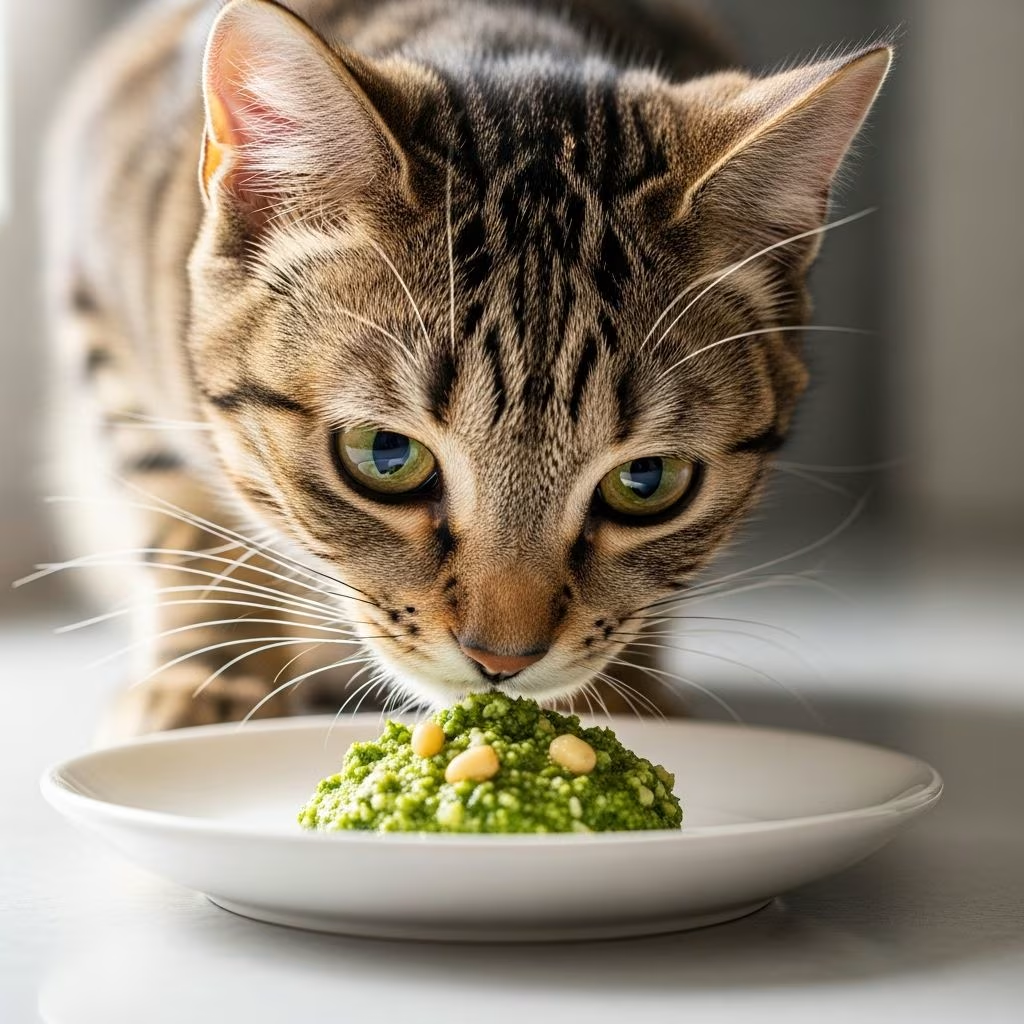
Pesto is a popular Italian sauce made primarily from basil, garlic, pine nuts, Parmesan cheese, olive oil, and salt, but it is not safe for cats to eat due to several toxic and indigestible ingredients that can cause serious health issues ranging from gastrointestinal upset to life-threatening anemia. Cats are obligate carnivores with unique digestive systems designed for meat-based diets, making many human foods like pesto risky or outright dangerous. This comprehensive guide breaks down pesto’s ingredients, potential dangers, symptoms of ingestion, immediate actions, and safer alternatives to keep your feline companion healthy.
What Is Pesto, and What Are the Dangers for Cats?
Traditional pesto, or pesto alla genovese, originated in Genoa, Italy, and features fresh basil leaves blended with garlic, pine nuts, grated Parmesan or Pecorino cheese, olive oil, and salt. While delectable for humans, this combination poses multiple threats to cats because their metabolism cannot process plant-based fats, alliums like garlic, excessive sodium, or dairy effectively. Even small amounts licked from a plate or floor can trigger problems, as cats’ small body size amplifies toxicity risks compared to larger animals.
The primary culprit is **garlic**, a member of the Allium family (along with onions, which sometimes appear in pesto variants). Garlic contains compounds like thiosulfate that damage feline red blood cells, leading to hemolytic anemia—a condition where oxygen-carrying cells rupture, causing weakness, pale gums, and potentially collapse. Veterinary sources confirm garlic is extremely toxic even in tiny quantities; for a 5kg cat, as little as 5g of fresh garlic (about one clove) can be harmful.
Ingredient Breakdown: Why Each Part of Pesto Harms Cats
- Garlic: Highly toxic; causes oxidative damage to red blood cells, anemia, and gastrointestinal irritation. Avoid at all costs.
- Pine Nuts: High in fats difficult for cats to digest, risking pancreatitis, vomiting, diarrhea, and choking if swallowed whole due to cats’ tearing teeth not suited for nuts.
- Basil: Non-toxic and generally safe in small amounts, but offers no nutritional value and may cause mild stomach upset if overconsumed. ASPCA lists it as safe.
- Parmesan Cheese: Contains lactose, to which most adult cats are intolerant, leading to diarrhea, gas, and tummy aches. As obligate carnivores, cats derive no benefit from dairy.
- Olive Oil: Not poisonous but overly fatty; excess leads to diarrhea, vomiting, obesity, or pancreatitis.
- Salt: Pesto can contain up to 5% salt, far exceeding the 0.2% safe level in cat food, risking sodium ion poisoning, thirst, tremors, seizures, or death.
Store-bought pestos vary, with some adding onions or more cheese, amplifying risks. Homemade versions without garlic seem safer but still carry fat and salt issues.
Symptoms to Watch for if Your Cat Eats Pesto
If your cat ingests pesto, symptoms may appear within hours to days, depending on quantity and ingredients. Garlic toxicity can take 1-5 days to fully manifest as anemia develops. Monitor closely for 72 hours post-exposure. Common signs include:
- Vomiting and diarrhea (from fats, dairy, or irritation)
- Lethargy or weakness (early anemia sign)
- Loss of appetite or abdominal pain (hunched posture, sensitivity)
- Pale or yellow gums (hemolysis indicator)
- Increased heart/respiratory rate, drooling, or collapse (severe cases)
- Excessive thirst or urination (salt poisoning)
Kittens and small cats show amplified symptoms due to lower body mass; a month-old kitten lapping pesto warrants immediate vet attention.
What Should You Do if Your Cat Eats Pesto?
Act swiftly to minimize harm:
- Remove access: Confiscate all pesto immediately to prevent further ingestion.
- Assess amount and ingredients: Note quantity and check label for garlic/onions. Tiny licks may only cause mild upset; larger amounts demand urgency.
- Monitor symptoms: Observe for 24-72 hours, tracking appetite, stool, energy, and gums.
- Contact professionals: Call your vet, a pet poison hotline (e.g., ASPCA at 888-426-4435), or emergency clinic even for small amounts, providing details on cat’s weight, pesto type, and time elapsed. Do not induce vomiting without guidance.
- Supportive care: Vet may induce vomiting, give activated charcoal, IV fluids, or blood transfusions for anemia.
Early intervention is crucial; untreated garlic poisoning can be fatal.
Why Are Human Foods Like Pesto Risky for Cats?
Cats evolved as obligate carnivores, thriving on high-protein, low-carb diets from prey. Their short digestive tracts efficiently process meat but struggle with plants, fats, and carbs in pesto. Human foods often exceed cats’ needs for salt (for flavor), fats (energy density), and include toxins irrelevant to felines. Sharing fosters begging habits and obesity risks. Stick to complete cat foods meeting AAFCO standards, supplemented sparingly with vet-approved treats.
Are There Cat-Safe Alternatives to Pesto?
You don’t have to deny your cat flavor entirely. Opt for these safe, occasional treats (under 10% daily calories):
- Plain cooked meat: Chicken, turkey, fish (no seasoning)—cats’ natural preference.
- Cat-specific purees: Brands like Tiki Cat or Weruva mimic wet food flavors.
- Pet-friendly ‘pesto’: Blend basil/parsley, tiny olive oil dash, boiled chicken. Omit garlic/nuts/cheese.
- Commercial treats: Freeze-dried meats or greens-approved chews.
- Herbs: Small basil or catnip sprigs for fun, not nutrition.
| Item | Safe? | Risks | Alternatives |
|---|---|---|---|
| Pesto | No | Toxicity, GI upset | Meat purees |
| Basil alone | Yes (small amt) | Mild upset possible | Catnip |
| Cheese | No | Lactose intolerance | Yogurt (lactose-free) |
| Olive oil | Minimal (tiny amt) | Diarrhea | Fish oil supp. |
Frequently Asked Questions (FAQs)
Can cats eat basil?
Yes, basil is safe for cats in small amounts and non-toxic per ASPCA, though it provides no nutritional benefit and large quantities may upset the stomach.
What if my cat eats garlic in pesto?
Garlic is highly toxic; contact a vet immediately for potential anemia treatment. Symptoms include weakness and pale gums.
Can kittens eat pesto?
No, kittens are more vulnerable due to immature systems and small size—even minor exposure risks severe effects.
Is there a pet-safe pesto recipe?
Yes: Use basil, parsley, olive oil (sparingly), and cooked meat. Exclude garlic, nuts, cheese, salt. Offer rarely.
How much pesto is dangerous for cats?
Any amount with garlic is risky; even a lick can harm small cats. Fat/salt issues start with teaspoons.
This guide empowers cat owners to make informed choices. Prioritize species-appropriate nutrition for a long, healthy life. Word count: 1678 (excluding HTML tags).
References
- Can Cats Eat Pesto? A Complete Guide — Dial A Vet. 2023. https://www.dialavet.com/blog/can-cats-eat-pesto
- Can Cats Eat Pesto? – Is Pesto Safe For My Cat? — GoPesto. 2023. https://gopesto.co.uk/blogs/pesto/can-cats-eat-pesto
- Can Cats Eat Pesto? Vet-Reviewed Health & Safety Guide — Hepper. 2023. https://articles.hepper.com/can-cats-eat-pesto/
- My month-old kitten accidentally knocked over and got into some pesto — Dial A Vet. 2023. https://www.dialavet.com/vet-answers/kitten-ate-pesto-harmful-65997
- Is Basil Safe for Cats? Vet-Verified Nutritional Facts & Safety Guide — Catster. 2023. https://www.catster.com/cat-health-care/is-basil-safe-for-cats/



