

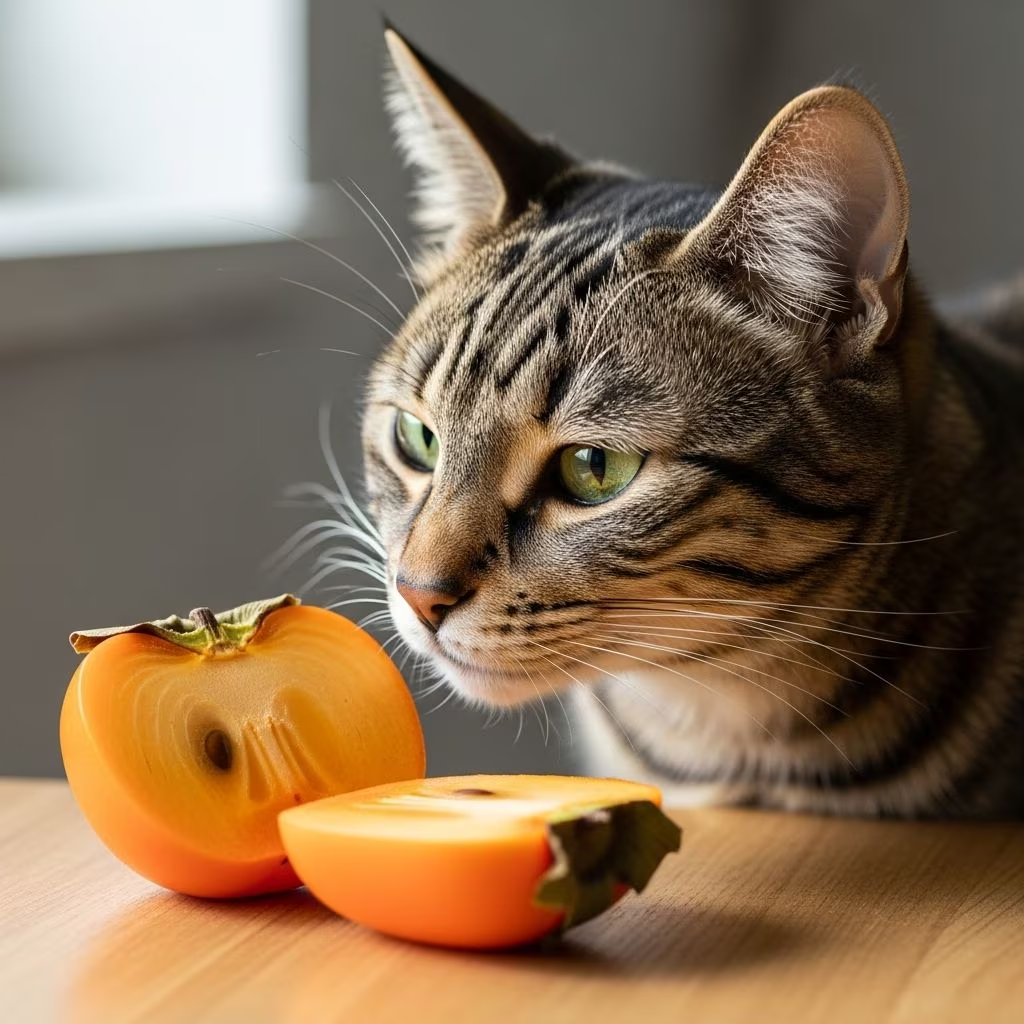
Can Cats Eat Persimmons? What Pet Owners Need to Know
When it comes to feeding our feline companions, it’s natural to wonder whether human foods are safe for them. Persimmons, a sweet and nutritious fruit enjoyed by many people, often catch the attention of curious cats. If you’ve found yourself asking, “Can my cat eat persimmons?” you’re not alone. The good news is that persimmons are not toxic to cats, meaning they won’t cause immediate poisoning if your cat takes a small bite. However, this doesn’t mean persimmons should become a regular part of your cat’s diet.
The answer to whether cats can eat persimmons is nuanced. While these fruits are non-toxic, they’re not particularly beneficial for felines and can pose certain risks when consumed in larger quantities. Understanding the difference between non-toxic and actually safe—or beneficial—is crucial for responsible pet ownership.
Are Persimmons Toxic to Cats?
The fruit itself is not directly poisonous to cats. This means a small piece of pure fruit flesh won’t cause acute poisoning or immediate harm. However, several parts of the persimmon plant and certain characteristics of the fruit require careful consideration when determining overall safety.
While the flesh of ripe persimmons is generally tolerated by cats, the following components present concerns:
- Seeds: Persimmons typically contain five to eight seeds, which can pose choking hazards and potentially cause intestinal blockages. These seeds are difficult for a cat’s digestive system to process.
- Leaves and skin: The leaves and outer skin of persimmons are not digestible for cats and should be avoided entirely.
- Unripe fruit: Unripe persimmons contain high levels of tannins, which are compounds that can cause digestive issues and irritation in cats.
- Sap: The sap from persimmon fruit can be difficult for a cat’s stomach to process, potentially leading to discomfort.
The Nutritional Profile of Persimmons
Persimmons do contain some nutrients that are beneficial to humans, including vitamins, fiber, and antioxidants. However, the nutritional benefits that apply to people don’t necessarily translate to felines.
What Persimmons Contain
- Vitamin C: This essential nutrient supports immune system function in mammals.
- Fiber: Aids in digestive health and gut function.
- Antioxidants: These compounds help protect cells from oxidative stress.
- Natural sugars: Persimmons are relatively high in sugar content, which poses a concern for cats.
Why These Nutrients Matter Less for Cats
Cats have a fundamentally different metabolism than humans. Unlike people, cats are obligate carnivores, meaning their bodies are designed to derive nutrition primarily from animal-based proteins and fats. While persimmons contain beneficial compounds like antioxidants and vitamins, cats obtain these nutrients more efficiently through a well-formulated feline diet specifically designed to meet their unique nutritional requirements. Additionally, cats lack sweetness receptors on their tongues, so they cannot taste sugar the way humans do, which explains why they typically show little interest in sweet foods.
The nutrient profile of persimmons is simply not optimized for feline dietary needs, and the risks often outweigh any potential benefits.
How Much Persimmon Is Safe for Cats?
The safest answer is straightforward: persimmons shouldn’t be a regular part of your cat’s diet at all. If your cat does consume persimmons, it should only be in the smallest amounts and on extremely rare occasions.
If your cat has already eaten a small piece of persimmon without showing signs of illness afterward, there’s likely no immediate cause for concern. However, this single incident doesn’t mean it’s safe to offer persimmons repeatedly. The occasional accidental nibble is different from intentional feeding.
For cats that have eaten persimmons without obvious adverse effects, monitoring is still essential. Cats are notoriously skilled at hiding discomfort, so observe their eating habits, litter box visits, and overall behavior for any unusual changes.
Potential Risks of Feeding Persimmons to Cats
Despite being non-toxic, persimmons carry several health risks for feline companions that every cat owner should understand.
Gastrointestinal Issues
The high sugar content and unfamiliar composition of persimmons can lead to digestive upset. Cats may experience nausea, vomiting, or diarrhea after consuming persimmons, particularly if they eat more than a tiny piece. Some cats have sensitive stomachs and may react negatively even to small amounts of unusual foods.
Choking and Intestinal Blockage
Persimmon seeds are a significant hazard. Cats can choke on these seeds, and if swallowed, they may cause intestinal blockages requiring veterinary surgery. Even if your cat manages to swallow seeds without choking, they can accumulate in the digestive tract and cause serious complications.
Sugar Content and Metabolism
Cats cannot efficiently metabolize fructose from fruit. Excessive sugar consumption can lead to obesity, dental problems, and metabolic disorders. Cats with diabetes or pre-diabetic conditions should especially avoid persimmons and other high-carbohydrate foods.
Tannin Exposure
Unripe persimmons contain tannins, compounds that may cause digestive irritation in cats. While scientific evidence specific to cats is limited, it’s best to err on the side of caution and ensure any persimmon offered (if at all) is fully ripe.
Allergic Reactions
Some cats may develop allergies or adverse reactions to persimmons. Individual sensitivities vary, and what one cat tolerates another might reject with digestive upset.
What to Do If Your Cat Eats Persimmons
If you discover that your cat has eaten persimmons, follow these steps:
- Stay calm: A small amount of persimmon flesh is unlikely to cause immediate harm.
- Monitor closely: Watch for signs of distress such as vomiting, diarrhea, loss of appetite, or lethargy.
- Note the quantity: Try to determine how much your cat consumed and which parts (flesh only vs. seeds or skin).
- Contact your veterinarian: If symptoms persist or if your cat ate seeds, consult your vet for professional advice.
- Remove access: Keep persimmons securely stored where your cat cannot access them.
Signs that warrant immediate veterinary attention include prolonged vomiting, severe diarrhea, abdominal pain, lethargy, or any indication of choking.
Special Considerations for Kittens
Young kittens have even more sensitive digestive systems than adult cats. Their dietary needs center around high-quality animal protein and specialized kitten food formulated for proper growth and development. It’s best to avoid offering any fruit, including persimmons, to kittens. Wait until your cat is fully mature before considering any human foods, and even then, only offer them occasionally and with veterinary approval.
Cats with Pre-Existing Health Conditions
Cats with certain health conditions should never consume persimmons or other fruits:
- Diabetes: High sugar content makes persimmons inappropriate for diabetic cats.
- Digestive disorders: Cats with inflammatory bowel disease, irritable bowel syndrome, or other digestive issues should stick to prescribed diets.
- Obesity: Overweight cats benefit from low-calorie, high-protein diets without added sugars.
- Kidney disease: Cats with kidney issues require carefully managed nutrition without unnecessary additions.
Always consult your veterinarian before introducing any new foods to your cat’s diet, especially if they have underlying health conditions or are on a prescription diet.
Better Treat Alternatives for Your Cat
If you’re looking to provide your cat with treats or enrich their environment, numerous safer alternatives exist:
- Cat-specific treats: Commercial treats formulated for feline nutrition are balanced and safe.
- Small pieces of cooked chicken: Protein-rich and satisfying for cats.
- Catnip toys: Provide mental stimulation and entertainment without dietary risks.
- Interactive play: Engaging with your cat using toys and games offers enrichment without food.
- Cat grass: A safe, cat-appropriate plant that aids digestion.
Frequently Asked Questions About Cats and Persimmons
Q: Can cats taste the sweetness of persimmons?
A: No, cats lack sweetness receptors on their tongues, so they cannot taste sugar the way humans do. This is why they typically show little interest in sweet foods.
Q: What should I do if my kitten accidentally eats persimmon?
A: Contact your veterinarian immediately. Kittens have more delicate digestive systems and are at higher risk of complications. Monitor for any signs of distress.
Q: Are persimmon leaves safe for cats?
A: No, persimmon leaves are not digestible and should be avoided entirely. Stick to keeping the entire plant away from your cat.
Q: Can persimmon seeds cause intestinal blockage in cats?
A: Yes, persimmon seeds can potentially cause intestinal blockages, which is a serious condition requiring veterinary intervention and possibly surgery.
Q: How often can cats safely eat persimmons?
A: Persimmons should not be a regular part of a cat’s diet. If offered at all, they should be extremely occasional treats, separated by months, not weeks or days.
Q: Should I consult my vet before giving my cat persimmon?
A: Yes, it’s always best to consult your veterinarian before introducing any new foods to your cat’s diet, especially fruits.
Q: What are symptoms of persimmon poisoning in cats?
A: While persimmons aren’t toxic, they can cause gastrointestinal upset including vomiting, diarrhea, nausea, and loss of appetite. If your cat shows these symptoms after eating persimmons, contact your vet.
Final Thoughts: Prioritizing Your Cat’s Health
The bottom line is clear: while persimmons are not toxic to cats, they’re not recommended as part of your feline friend’s diet. The potential risks—from choking hazards posed by seeds to digestive upset and unnecessary sugar consumption—outweigh any minimal nutritional benefits. Cats are obligate carnivores with specific dietary requirements, and a high-quality commercial cat food provides all the nutrients they need without the associated risks of human foods.
If your cat has already eaten a small piece of persimmon flesh, there’s no need to panic, but monitoring for symptoms is important. If your cat shows interest in persimmons or other human foods, it’s an opportunity to redirect that curiosity toward appropriate feline treats and toys that provide mental stimulation without health risks.
As responsible pet owners, our primary duty is protecting our cats from themselves and from foods that don’t support their wellbeing. When in doubt, consult your veterinarian. They can provide personalized guidance based on your cat’s age, health status, and individual needs. By making informed decisions about what our cats eat, we help ensure they live long, healthy, and happy lives.
References
- Can Cats Eat Persimmons? Vet-Verified Facts — Huston Veterinary. https://hustonveterinary.com/can-cats-eat-persimmons/
- Can Cats Eat Persimmons? Vet-Reviewed Nutrition Facts & FAQ — Hepper. https://articles.hepper.com/can-cats-eat-persimmons/



