

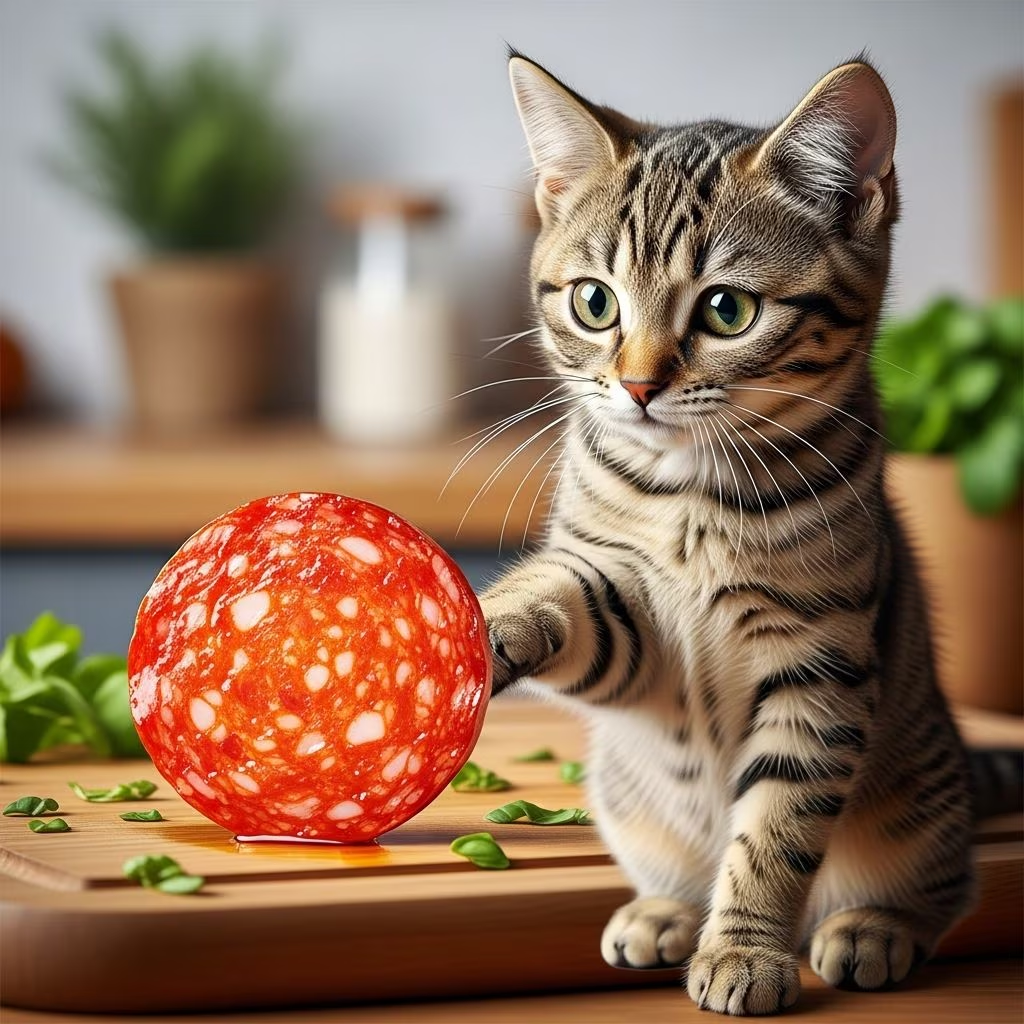
Pepperoni is a popular processed meat that many pet owners enjoy, but when it comes to our feline companions, this cured meat presents significant health risks. While your cat might show interest in your pizza slice, pepperoni is not safe for cats due to its composition and the unique dietary needs of felines. Understanding why pepperoni poses dangers to your cat is essential for responsible pet ownership and maintaining your cat’s long-term health.
Why Pepperoni Isn’t Safe for Cats
Cats have very different nutritional requirements than humans, and what tastes delicious to us can be harmful or even toxic to them. Pepperoni contains multiple ingredients that can negatively affect your cat’s health, from immediate digestive issues to long-term organ damage. The primary concerns with pepperoni include its high sodium content, fat levels, chemical preservatives, and spice ingredients that are toxic to felines.
Sodium: The Primary Concern
One of the most significant dangers in pepperoni is its extremely high salt content. Pepperoni is not safe for cats due to it being high in salt, which is part of the reason it tastes so good to humans. The sodium levels in pepperoni far exceed what a cat’s body can safely process.
To understand the severity, consider these facts:
- One slice of pepperoni (approximately 2 grams) contains around 31.6 mg of sodium
- A slice of pepperoni pizza may contain almost 700 mg of sodium
- An adult cat requires only around 10 mg of sodium per kilogram of body weight per day
- The average cat’s daily sodium requirement is approximately 42 milligrams
- A single serving of pepperoni contains about 475.9 milligrams of sodium, over 11 times the recommended amount
This means that one seemingly innocent slice of pepperoni contains almost enough sodium to meet a smaller cat’s entire daily requirement. Excessive salt consumption can be particularly dangerous because salt can be poisonous to cats if consumed in large quantities and without access to fresh water.
Symptoms of Sodium Poisoning in Cats
If your cat accidentally consumes excessive amounts of pepperoni, watch for these warning signs of salt poisoning:
- Decreased appetite
- Lethargy
- Vomiting
- Diarrhea
- Extreme thirst and/or urination
- Tremors
- Incoordination
- Seizures
Additionally, the high sodium content in pepperoni can put a strain on a cat’s kidneys and contribute to the development of hypertension or other cardiovascular problems. Cats are more susceptible to these issues compared to humans, making pepperoni a particularly dangerous choice for their diet.
Harmful Spices and Seasonings
Beyond sodium, pepperoni contains multiple spices and seasonings that are toxic to cats. These ingredients can damage your cat’s health in various ways:
Garlic and Onion Powder
Pepperoni often contains garlic powder and onion powder as flavoring agents. However, these ingredients can damage a cat’s red blood cells, leading to anemia. This condition can be serious and may require veterinary treatment. Ingredients like garlic powder, onion powder, and paprika are toxic to cats and can damage their red blood cells or irritate their digestive system.
Paprika and Other Spices
The various spices used to season pepperoni can irritate your cat’s digestive system and cause gastrointestinal upset. These seasonings are not part of a cat’s natural diet and their sensitive stomachs aren’t equipped to handle them.
High Fat Content and Associated Risks
Pepperoni is notoriously high in fat, which presents multiple health concerns for cats. Cats require a balanced diet that is low in fat, and consuming fatty foods like pepperoni can lead to weight gain and obesity. The fat content in pepperoni can contribute to obesity and pancreatitis, especially if consumed regularly.
Digestive Upset
The high-fat content of pepperoni can cause digestive disturbances, leading to vomiting or diarrhea in cats. This can be uncomfortable for your cat and may require veterinary intervention to resolve. Your cat’s digestive system is sensitive and not designed to process such fatty foods.
Pancreatitis Risk
One of the most serious concerns with pepperoni consumption is the risk of pancreatitis. The excessive fat content in pepperoni may trigger inflammation of the pancreas, a condition known as pancreatitis, which can be potentially life-threatening for cats. Pancreatitis can cause severe abdominal pain, loss of appetite, and lethargy.
Obesity and Long-term Health Problems
Obesity in cats can have a range of negative consequences, including an increased risk of diabetes, joint problems, and a reduced lifespan. Even occasional consumption of high-fat foods like pepperoni contributes to unhealthy weight gain.
Nitrates and Chemical Preservatives
Because pepperonis are cured meats, a preservative called nitrates is often used to increase their shelf-life and stop the growth of bacteria. Unfortunately, nitrates can also be poisonous to cats if consumed in high enough quantities. This is another good reason to keep a pepperoni pizza away from your kitty.
Chemical additives like nitrates and nitrites can be harmful to cats, potentially causing gastrointestinal upset or more severe health problems. The body of your cat is not equipped to process these chemical preservatives safely.
Unbalanced Nutrition
Even setting aside the harmful ingredients, pepperoni simply doesn’t provide the nutrition cats need. Cats have very specific nutritional requirements that differ dramatically from humans. Cats need specific nutrients like taurine, arachidonic acid, and vitamin A, which aren’t found in processed human foods.
Cats are obligate carnivores, meaning they require meat-based proteins to survive. While pepperoni does contain protein and no carbs, making it somewhat aligned with cats’ carnivorous nature, it comes with too many dangerous additives and nutrients to be considered safe.
Cats Have Sensitive Digestive Systems
Cats have sensitive stomachs that aren’t equipped to handle spices, preservatives, or excessive fats. Unlike humans who have evolved to eat a wide variety of foods, cats have specialized digestive systems designed to process whole, unprocessed proteins. Their digestive system expects natural cat food or high-quality commercial cat food formulated to meet their specific needs.
What If Your Cat Accidentally Eats Pepperoni?
If your cat happens to get a bite or two of pepperoni, it likely won’t have too much of an impact on them. The danger increases significantly when cats start to eat pepperoni on a regular basis. Limited quantities of pepperoni aren’t immediately toxic for cats, but it certainly isn’t something that you should willingly feed them either.
However, if your pepperoni is coming on a delivered pizza and not out of a packet with the ingredients listed, it’s impossible to know exactly what it contains. This uncertainty makes the risk even greater.
Safe Alternatives to Pepperoni
Instead of pepperoni, there are much safer protein options you can offer your cat:
- Plain, cooked chicken: A safe option without spices, seasonings, or sauces
- Plain, cooked turkey: Another excellent protein source for cats
- Plain, cooked fish: Safe in moderation for most cats
- High-quality commercial cat food: Formulated to meet all of your cat’s nutritional needs
- Cat-specific treats: Designed with feline nutrition in mind
Frequently Asked Questions
Q: Can cats eat pepperoni in small amounts?
A: While a small piece of pepperoni might not cause immediate harm, it’s still not recommended due to its high salt, fat, and spice content. Even tiny amounts can contribute to cumulative health problems over time.
Q: Is turkey pepperoni safer for cats?
A: Turkey pepperoni may be lower in fat, but it still contains spices, salt, and preservatives that are unsafe for cats. The sodium and seasoning content remains problematic regardless of the meat source.
Q: What happens if my cat eats spicy pepperoni?
A: Spicy pepperoni can cause gastrointestinal upset, such as vomiting, diarrhea, or abdominal pain, and may irritate your cat’s mouth and throat. The spices can be particularly irritating to sensitive feline digestive systems.
Q: What are the signs that my cat has eaten too much pepperoni?
A: Watch for vomiting, diarrhea, increased thirst, lethargy, lack of coordination, and tremors. If you notice these symptoms after your cat has consumed pepperoni, contact your veterinarian immediately.
Q: Can I give my cat any human meats?
A: Yes, plain, cooked meats like chicken, turkey, or fish (without spices, seasonings, or sauces) are safe in moderation. These options provide protein without the harmful additives found in processed meats.
Q: How can I keep pepperoni away from my cat?
A: Store pepperoni in sealed containers in your refrigerator, keep pizza boxes off the floor, and be careful not to drop pieces while eating. Supervise your cat during mealtimes and educate family members about the dangers of sharing human food with pets.
The Importance of Species-Appropriate Nutrition
Providing a well-balanced, species-appropriate cat food is the best way to ensure your cat stays healthy and happy. Your cat depends on you to make nutritional decisions that support their health and longevity. By understanding the unique nutritional requirements of cats and being mindful of the ingredients in their food and treats, you can provide them with a safe and wholesome diet.
It’s important to prioritize the health and dietary needs of your feline companions. While pepperoni may be tempting to share, it poses potential risks to cats due to its high fat, sodium, and spice content. Remember, consultation with a veterinarian is always a valuable step in optimizing your cat’s nutrition and ensuring their long-term well-being.
Conclusion
The answer to “Can cats eat pepperoni?” is a clear no. The risk of your cat ingesting too much salt, nitrates, or any amount of certain toxic seasonings such as onion and garlic is high. While a tiny bite probably won’t cause immediate harm, pepperoni should never be offered as a treat or regular food to your cat. The potential for harm simply outweighs any perceived benefit. Instead, focus on providing your cat with nutritionally complete cat food and cat-safe treats that support their health. Your veterinarian can provide guidance on the best dietary choices for your individual cat’s needs and health status.
References
- Can Cats Eat Pepperoni? Risks and Alternatives — Dial A Vet. 2024. https://www.dialavet.com/blog/can-cats-eat-pepperoni
- Can Cats Eat Pepperoni? Vet-Reviewed Nutritional Facts & Safety Info — Catster. 2024. https://www.catster.com/nutrition/can-cats-eat-pepperoni/
- Pepperoni Safety for Cats: Dietary Advice — Bailey’s CBD. 2024. https://baileyscbd.com/blogs/cat-nutrition/pepperoni-and-cats-feline-diet-warnings
- Can Cats Eat Pepperoni? Here’s What Vets Say — Green Matters. 2024. https://www.greenmatters.com/pets/can-cats-eat-pepperoni
- Can Cats Eat Pepperoni — Happy Cats Home. 2024. https://happycatshome.com/blogs/cat-health/can-cats-eat-pepperoni
- Can Cats Eat Pepperoni? Vet-Reviewed Nutrition Facts & FAQ — Hepper. 2024. https://articles.hepper.com/can-cats-eat-pepperoni/



