

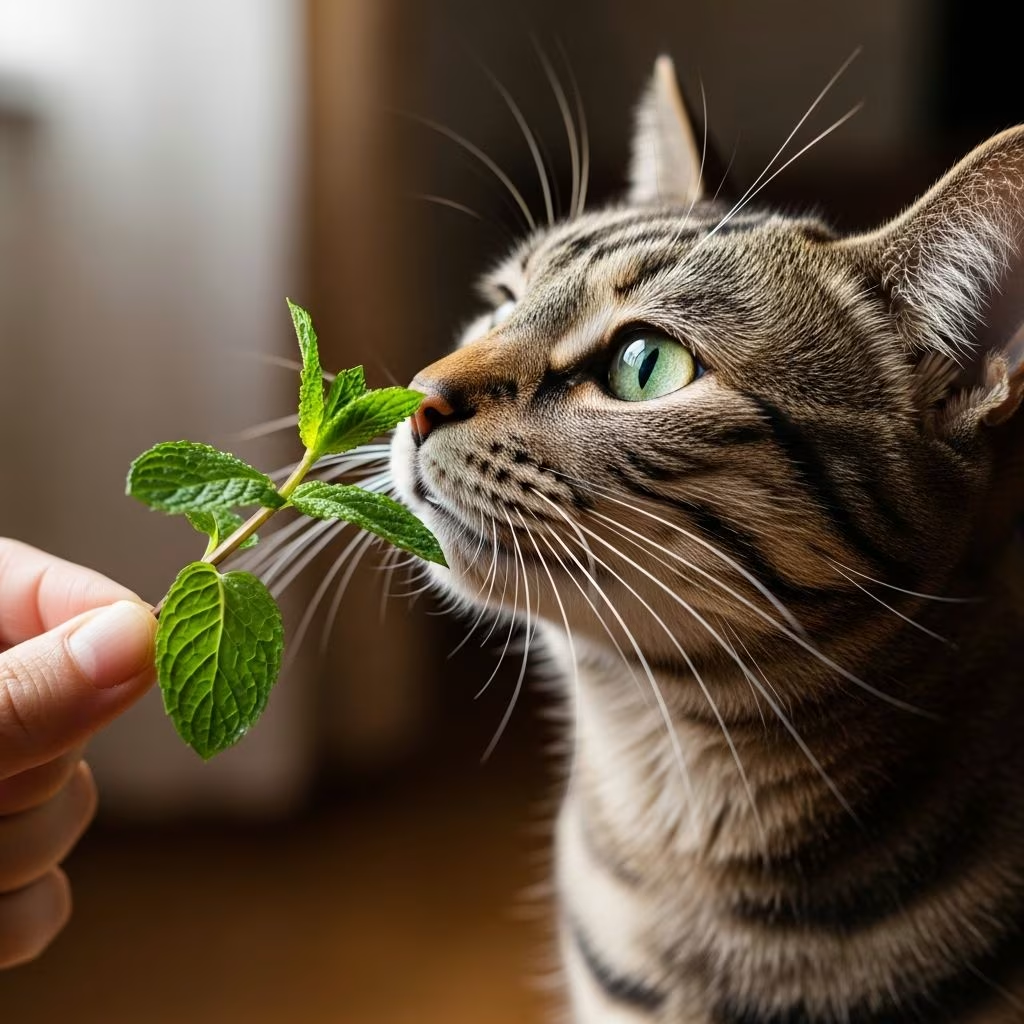
Peppermint is a popular herb enjoyed by humans for its refreshing flavor and aroma, but it poses significant risks to cats. Cats lack certain liver enzymes necessary to metabolize essential oils like those found in peppermint, making even small amounts potentially toxic. This article explores the safety of peppermint for cats in various forms, associated health risks, symptoms to watch for, what to do in case of exposure, and safer alternatives to keep your feline companion healthy.
Quick Answer: Can Cats Eat Peppermint?
No, cats should not eat peppermint in any form, including leaves, oils, teas, or flavored products. Peppermint contains menthol and other phenolic compounds that are toxic to cats, leading to gastrointestinal upset, respiratory issues, and neurological symptoms. Even inhaling strong peppermint scents can irritate a cat’s sensitive respiratory system. Veterinary experts unanimously advise avoiding peppermint around cats to prevent poisoning.
How Peppermint Affects Cats
Cats metabolize substances differently from humans due to their unique liver enzyme profile, specifically deficient in glucuronyl transferase, which processes phenols and essential oils. Peppermint (Mentha piperita) is rich in these compounds, making it hazardous. When ingested or inhaled, these oils build up in the cat’s system, causing toxicity. Fresh leaves have lower concentrations but still irritate the digestive tract if chewed.
- Essential Oils: Highly concentrated and the most dangerous form; even diffusion can harm cats via inhalation or skin absorption.
- Fresh or Dried Leaves: Milder but can cause vomiting if eaten in quantity.
- Peppermint Products: Candies, gums, or teas often include xylitol or sugars toxic to cats.
The strong menthol scent may initially attract cats, mimicking catnip’s nepetalactone, but this reaction is short-lived and risky.
Is Peppermint Oil Safe for Cats?
Peppermint oil is highly toxic to cats and should never be used around them. Even diluted forms remain dangerous because cats groom themselves, ingesting oils from their fur, and oil doesn’t mix well with water-based diluents. Inhalation leads to respiratory distress, while ingestion causes liver damage. Veterinary pharmacists note peppermint oil (menthol) causes nausea, vomiting, altered mental status, fatigue, and potential liver failure. Avoid diffusers, topical applications, or any peppermint-scented products in homes with cats.
Potential Dangers and Toxicity Symptoms
Exposure to peppermint manifests in mild to severe symptoms depending on dose and form. Gastrointestinal issues are most common, but neurological effects can occur with higher exposure.
| Symptom Category | Symptoms | Common Causes |
|---|---|---|
| Gastrointestinal | Vomiting, diarrhea, drooling, loss of appetite | Ingesting leaves or products |
| Respiratory | Coughing, difficulty breathing, wheezing | Inhaling oils or vapors |
| Neurological | Lethargy, tremors, ataxia (wobbliness), seizures | Essential oil toxicity |
| Skin/Other | Irritation, rashes, stress from scent | Topical contact or strong aromas |
Prompt recognition is crucial; untreated cases can lead to liver failure or death. Cats’ small size amplifies risks—even trace amounts are problematic.
What Happens If a Cat Eats Peppermint?
If your cat ingests peppermint, monitor closely for symptoms within hours. Remove all sources immediately and prevent further access. Do not induce vomiting, as this can worsen aspiration risks. Contact a vet or pet poison hotline right away—provide details on amount, form, and timing. Treatment may involve activated charcoal, IV fluids, anti-nausea meds, or liver support. Most cats recover with early intervention, but delays increase complications.
Safe Alternatives to Peppermint for Cats
Opt for cat-safe herbs that provide enrichment without toxicity. These lack harmful essential oils and are vet-approved.
- Catnip (Nepeta cataria): Mint family member; induces playful euphoria safely.
- Catmint (Nepeta mussinii): Similar effects, non-toxic.
- Valerian Root: Calming alternative for anxious cats.
- Parsley or Basil: Mild digestive aids in small amounts.
- Silver Vine: Stronger catnip-like response, safe.
Introduce new herbs gradually and consult your vet, especially for cats with health issues.
How to Peppermint-Proof Your Home
Prevention is key to avoiding peppermint exposure.
- Store oils, plants, and products in cat-proof cabinets.
- Avoid diffusers or candles in shared spaces; use pet-safe air fresheners.
- Supervise gardens; plant cat-safe alternatives.
- Check human products like toothpaste or gum for peppermint.
- Educate household members on risks.
If using peppermint for yourself, apply in well-ventilated areas away from cats.
Related Plants and Herbs: Safe or Not?
| Plant/Herb | Safety for Cats | Notes |
|---|---|---|
| Peppermint | Toxic | All forms risky |
| Spearmint | Toxic | Similar oils |
| Pennyroyal | Highly Toxic | Liver damage |
| Catnip | Safe | Enjoyable |
| Catmint | Safe | Garden-friendly |
ASPCA lists many mints as toxic; stick to verified safe options.
Frequently Asked Questions (FAQs)
Can cats smell peppermint safely?
The strong scent can irritate their nose and cause stress or breathing issues. Minimize exposure.
Is peppermint tea safe for cats?
No, even diluted, it contains oils that can harm via ingestion or vapors.
Can cats eat fresh peppermint leaves?
Avoid; they can upset the stomach and lead to vomiting.
What if my cat licked peppermint oil?
Seek vet care immediately; even small amounts are toxic.
Are there any benefits of peppermint for cats?
No proven benefits outweigh the risks; use vet-recommended alternatives.
Is diluted peppermint oil okay?
No, dilution doesn’t eliminate toxicity for cats.
References
- Can Cats Have Peppermint? Safety & Risks Explained — Zoorithm. 2023. https://www.zoorithm.com/cats/can-cats-have-peppermint
- Is Peppermint Oil Safe for Cats? — Nikura. 2023. https://nikura.com/blogs/discover/is-peppermint-oil-safe-for-cats
- Can Cats Eat Mint? Safe or Risky for Cats? — Dial A Vet. 2023. https://www.dialavet.com/blog/can-cats-eat-mint
- Peppermint Oil — American College of Veterinary Pharmacists. 2023. https://vetmeds.org/pet-poison-control-list/peppermint-oil/
- 10 Essential Oils & Their Safety for Cats — Lolahemp. 2023. https://lolahemp.com/blogs/cat-health/are-essential-oils-safe-for-cats
- Mint Poisoning in Cats — WagWalking. 2023. https://wagwalking.com/cat/condition/mint-poisoning-1
- How do Essential Oils affect your Pet? — Cabbagetown Pet Clinic. 2020-02-01. https://www.cabbagetownpetclinic.com/blog/february-2020/how-do-essential-oils-affect-your-pet
- What to Know About the Risks of Essential Oils for Cats — WebMD. 2023. https://www.webmd.com/pets/cats/risks-of-essential-oils-for-cats



