

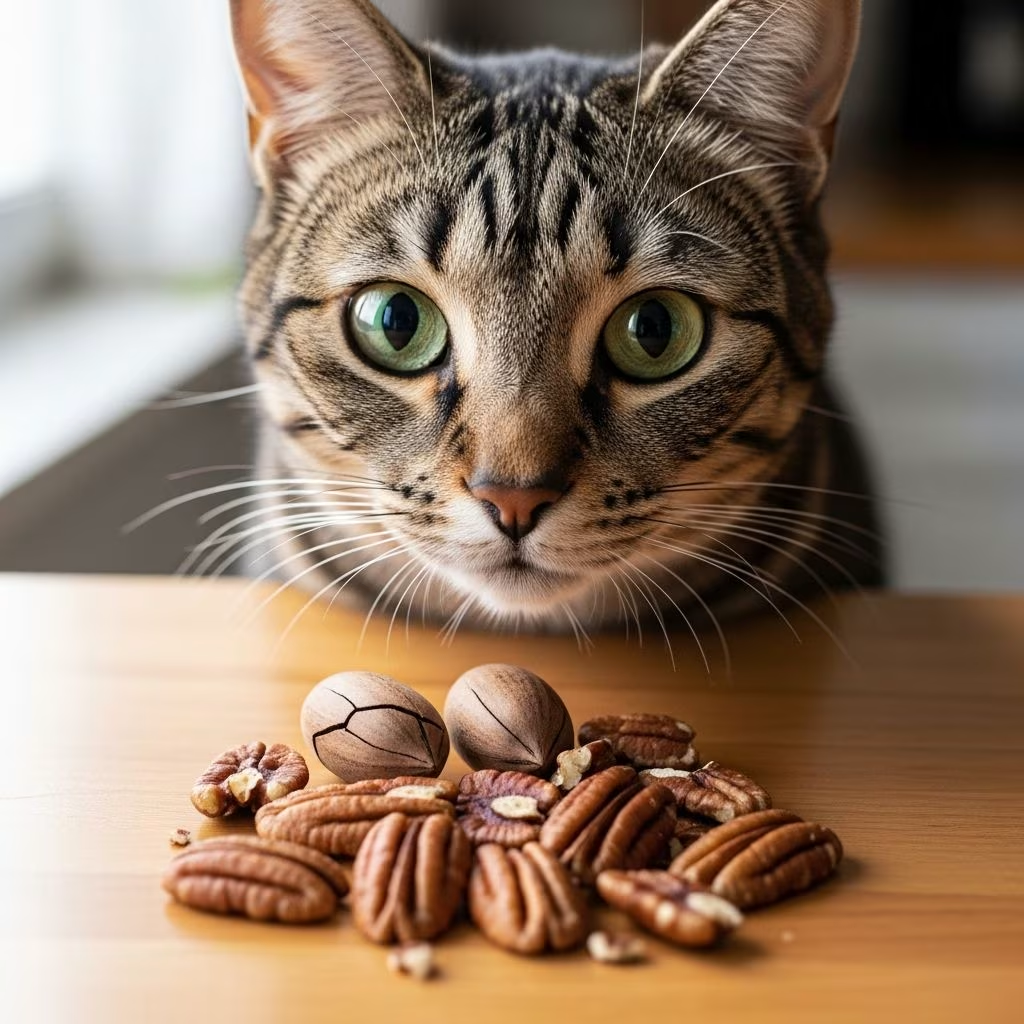
Can Cats Eat Pecans? Vet-Approved Facts & FAQ
As a cat owner, you’ve likely experienced the challenge of keeping your curious feline away from foods that might not be suitable for them. Cats are naturally curious creatures with excellent climbing abilities, often reaching countertops, shelves, and even secured cupboards to investigate interesting food items. When your cat accidentally consumes something unexpected, like pecans, it’s natural to worry about their health and safety. If you’re concerned about whether your cat has eaten pecans or are considering offering them as a treat, understanding the facts is essential.
The straightforward answer is that pecans are not toxic to cats, but this doesn’t mean they’re an ideal snack choice for your feline friend. While most cats can consume a small amount of pecans without experiencing serious adverse effects, several factors make them less than ideal as regular treats or dietary additions.
Pecans & Cats: The Short Answer
If your cat has recently helped themselves to a handful of pecans from your kitchen counter, there’s no need to panic. Pecans are not toxic to cats, and in most cases, your pet is unlikely to suffer lasting ill effects from consuming a few nuts. However, this doesn’t mean pecans should become a regular part of your cat’s diet.
The key distinction lies between something being non-toxic and something being appropriate for regular consumption. Many substances can be safely consumed in small quantities without causing poisoning, yet they may still present various health risks when consumed regularly or in larger amounts. Pecans fall into this category.
The Long Answer: Why Pecans Aren’t Ideal for Cats
While cats can technically eat pecans without experiencing toxicity, veterinarians generally recommend avoiding them for several compelling reasons.
Digestive Challenges
Pecans are nutrient-dense nuts that can be difficult for cats to digest properly. Cats are obligate carnivores, meaning their digestive systems are specifically designed to process animal-based proteins, not plant-based nuts and seeds. When cats consume pecans, they may experience various digestive issues, including:
- Upset stomach and gastrointestinal distress
- Vomiting
- Diarrhea
- Loss of appetite
These symptoms can occur even when a cat consumes just a small amount, depending on the individual cat’s digestive sensitivity.
Choking and Obstruction Risks
Pecans present physical hazards beyond nutritional concerns. If your cat attempts to swallow a pecan whole without proper chewing, it could lead to choking or gastrointestinal blockage—both serious conditions requiring immediate veterinary attention. The size and hardness of pecans make them particularly problematic for cats, whose digestive tracts are much smaller than those of humans or larger animals.
High Fat Content and Weight Management
Pecans are significantly high in fat, containing approximately 72 grams of fat per 100 grams of nuts. While fat serves as an important energy source for cats, excessive fat consumption can contribute to obesity and related health complications. Overweight cats are predisposed to various health issues, including diabetes, joint problems, and heart disease. Regular consumption of high-fat foods like pecans can quickly lead to unhealthy weight gain.
Nutritional Imbalance
Although pecans contain beneficial compounds such as omega-3 fatty acids, which are known for their anti-inflammatory properties, cats don’t require nuts as a source of these nutrients. The nutritional profile of pecans doesn’t align well with feline dietary needs. Cats require high-quality animal proteins, specific amino acids like taurine, and other nutrients found in meat-based foods. The benefits of omega-3 fatty acids from nuts for cats are still being researched, and the potential adverse effects may outweigh any advantages.
The Mold Problem: A Serious Concern
Perhaps the most significant danger associated with pecans isn’t the nut itself, but rather contamination that often occurs during storage and processing. Pecans are frequently contaminated with mold, and this is where real danger lies for your feline companion.
Mold contamination can be extremely difficult to detect with the naked eye, as mold growth may not always be visible on the nut’s surface. Some mold contamination occurs internally or in early stages before visible signs appear. When cats consume mold-contaminated pecans, they may experience serious health complications, including:
- Gastrointestinal problems (vomiting, diarrhea, abdominal pain)
- Neurological symptoms (seizures, tremors)
- Nerve damage
- Liver damage
- Other systemic health issues
The mycotoxins produced by mold can have severe, sometimes irreversible effects on your cat’s health. This risk alone makes it advisable to keep pecans away from your cat entirely, as you cannot reliably determine whether nuts are contaminated by simply looking at them.
What About Allergies?
While food allergies in cats are possible, allergies to pecans specifically are extremely rare. In fact, there is virtually no available research documenting pecan allergies in felines. However, individual cats may have unique sensitivities or reactions to any food.
If you notice your cat displaying any of the following signs after consuming pecans or any new food, contact your veterinarian immediately:
- Excessive itchiness or scratching
- Skin lesions or rashes
- Excessive gas or bloating
- Vomiting or diarrhea
- Difficulty breathing
- Swelling of the face or throat
These symptoms could indicate an allergic reaction or food sensitivity that requires professional veterinary evaluation.
Comparison of Common Nuts and Their Safety for Cats
| Nut Type | Fat Content (per 100g) | Safety for Cats | Primary Concern |
|---|---|---|---|
| Pecans | 72g | Not toxic but not recommended | High fat, mold contamination |
| Macadamia | 76g | Toxic—avoid entirely | Unknown toxin causing severe reactions |
| Walnuts | 65g | Not toxic but not recommended | High fat, mold contamination risk |
| Almonds | 49g | Not toxic but not recommended | Choking hazard, digestive upset |
| Cashews | 44g | Safe in very small amounts (plain, unsalted, shelled) | High fat content |
| Pine Nuts | 68g | Safe in very small amounts | Extremely high fat content |
What Should You Do If Your Cat Eats Pecans?
If your cat has consumed one or two pecans, try not to panic. In most cases, this accidental consumption won’t cause serious harm, though you should monitor your pet closely over the next 24-48 hours for any signs of digestive distress or unusual behavior.
Watch for the following warning signs:
- Vomiting or retching
- Diarrhea or changes in bowel movements
- Lethargy or unusual drowsiness
- Loss of appetite
- Abdominal pain (indicated by hunched posture or vocalization)
- Difficulty swallowing or drooling
- Signs of choking or respiratory distress
If any of these symptoms develop, contact your veterinarian. If your cat consumed a large quantity of pecans or you suspect mold contamination, seek veterinary care immediately without waiting for symptoms to develop. Additionally, if your cat is showing any signs of choking or respiratory distress, this is an emergency situation requiring immediate professional intervention.
Better Treat Alternatives for Your Cat
Rather than offering pecans or other nuts, consider these cat-safe alternatives that align better with feline nutritional needs:
- Plain cooked chicken or turkey – Excellent protein sources that cats enjoy and digest easily
- Canned or fresh fish – Tuna, salmon, or sardines in moderation provide omega-3 fatty acids safely
- Commercial cat treats – Specifically formulated to meet feline nutritional requirements
- Small amounts of cooked pumpkin – Beneficial for digestion without high fat content
- Blueberries – A few berries provide antioxidants and are safe for most cats
- Cooked carrots – Low in calories and can support dental health through chewing
Frequently Asked Questions (FAQs)
Q: Are pecans toxic to cats?
A: No, pecans themselves are not toxic to cats. However, they are not recommended for feline consumption due to high fat content, digestive difficulty, mold contamination risks, and potential choking hazards. The primary concern is mold contamination, which can cause serious neurological and gastrointestinal issues.
Q: What should I do if my cat ate a pecan?
A: If your cat consumed one or two pecans, monitor them closely for 24-48 hours for signs of digestive distress, vomiting, or diarrhea. Most cats will be fine after a small accidental consumption. However, if your cat ate a large quantity, shows signs of choking, or you suspect mold contamination, contact your veterinarian promptly.
Q: Can pecans cause pancreatitis in cats?
A: While occasional small amounts of pecans are unlikely to cause pancreatitis, regular consumption of high-fat foods like pecans can potentially contribute to pancreatic inflammation. Cats with existing health conditions or those prone to digestive issues are at higher risk.
Q: How can I tell if pecans have mold?
A: Unfortunately, mold contamination in pecans cannot always be detected by sight alone. Mold growth can occur internally or in early stages before visible signs appear. This is why it’s safest to keep all pecans away from your cat, as you cannot reliably determine safety through visual inspection.
Q: What are the symptoms of mold toxicity in cats?
A: Symptoms of mold toxicity in cats can include vomiting, diarrhea, abdominal pain, tremors, seizures, lethargy, and in severe cases, neurological damage. If you suspect your cat has consumed mold-contaminated food, seek immediate veterinary care.
Q: Are there any nuts that are completely safe for cats?
A: While most nuts are not toxic, none are necessary for a cat’s diet. If you choose to offer nuts occasionally, plain unsalted cashews (shelled) in very small amounts are among the safer options. However, cat-appropriate treats and proper feline nutrition are always better choices.
Q: Should I keep pecans stored away from my cat?
A: Yes, absolutely. Keep all pecans, other nuts, and foods intended for human consumption secured in closed cabinets or containers that your cat cannot access. Even though small accidental consumption is usually not serious, prevention is the best approach.
Conclusion
While pecans are not toxic to cats, they are far from an ideal food choice for your feline companion. The combination of high fat content, digestive difficulty, mold contamination risks, and potential choking hazards makes pecans something best avoided entirely. Cats do not require nuts in their diet, and their nutritional needs are best met through high-quality cat food and safe, feline-appropriate treats.
If your cat has accidentally consumed a small amount of pecans, they will likely be fine with close monitoring. However, it is advisable to keep pecans and other nuts stored securely away from your cat to prevent accidental consumption. When choosing treats for your feline friend, prioritize options specifically formulated for cats that align with their unique nutritional requirements as obligate carnivores.
If you have any concerns about your cat’s health, dietary habits, or have questions about safe foods for your pet, consult with your veterinarian. They can provide personalized guidance based on your individual cat’s age, health status, and specific needs.
References
- Can Cats Eat Pecans? Vet-Approved Facts & FAQ — Catster. 2025. https://www.catster.com/nutrition/can-cats-eat-pecans/
- Can cats eat nuts, or are they best left to squirrels? — Untamed. 2025. https://untamed.com/blogs/nutrition/can-cats-eat-nuts
- Safe and Unsafe Nuts and Seeds For Dogs & Cats — Preventive Vet. 2024. https://www.preventivevet.com/pets/safe-and-unsafe-nuts-and-seeds-for-pets
- Can My Cat Eat That? The Most Commonly Asked Culprits Answered by Veterinarian — The University Animal Clinic. 2024. https://www.theuniversityanimalclinic.com/services/blog/can-my-cat-eat-most-commonly-asked-culprits-answered-veterinarian
- Human Foods Cats and Dogs Can Eat and Foods to Avoid — MedVet. 2024. https://www.medvet.com/human-foods-cats-dogs-to-eat-and-avoid/



