

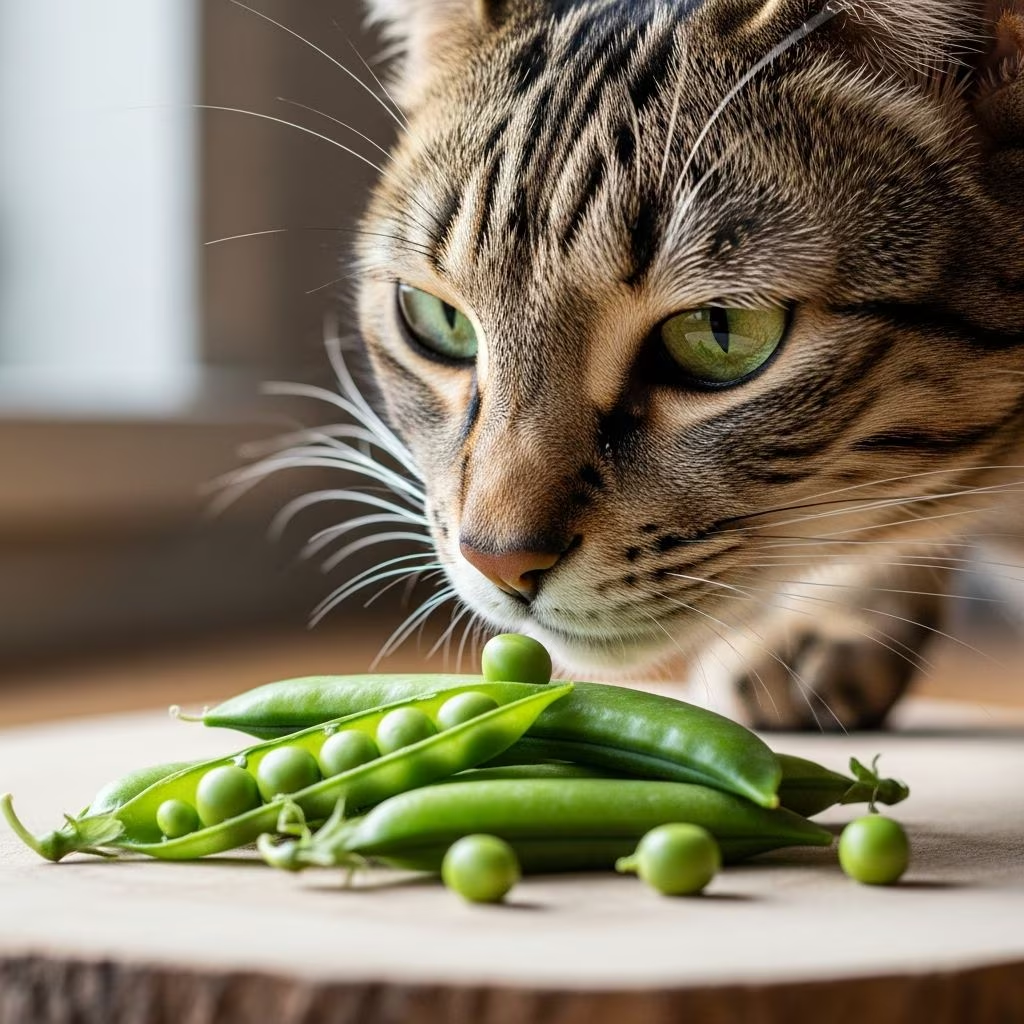
Peas are safe for cats to eat in small amounts as an occasional treat, but they are not a necessary part of a feline diet since cats are obligate carnivores. While non-toxic, peas offer limited nutritional benefits for cats and should never replace high-quality cat food.
Are Peas Safe for Cats?
Yes, garden peas, snow peas, and snap peas are non-toxic to cats and can be offered sparingly. The ASPCA and veterinary sources confirm that peas do not pose a poisoning risk, unlike certain legumes such as black-eyed peas, which may cause gastrointestinal distress due to poor digestibility. However, moderation is key because excessive consumption can lead to digestive upset, including gas, vomiting, diarrhea, or constipation, primarily from high fiber content.
Cats derive most nutrients from animal proteins, and their digestive systems are optimized for meat rather than plant matter. Peas contain carbohydrates that cats metabolize less efficiently, potentially leading to weight gain or nutrient dilution if overfed. Allergic reactions are rare but possible, manifesting as itching, swelling, or further GI issues—monitor your cat closely when introducing peas.
Nutritional Value of Peas for Cats
Peas provide vitamins A, B (including B1, B6), C, and K, along with minerals like iron, potassium, copper, manganese, and zinc. These support eye health, immune function, muscle maintenance, and bone strength in theory. Fiber aids mild digestion, and low-calorie content makes peas suitable for weight management when limited to treats.
However, cats cannot fully utilize these plant-based nutrients due to lacking certain enzymes. A 2022 study in the Journal of the American Veterinary Medical Association indicates cats can digest up to 65% of carbohydrates via hexokinase, challenging the myth of zero carb utilization, but meat remains primary. Peas in grain-free cat foods serve as carb alternatives, but recent concerns link legume-heavy diets to taurine deficiency and dilated cardiomyopathy (DCM).
- Vitamin A: Supports vision and skin health.
- Vitamin B complex: Aids nerve function and energy metabolism.
- Vitamin C and K: Boost immunity and blood clotting.
- Minerals (iron, potassium): Essential for oxygen transport and heart function.
- Fiber: Promotes gut motility in small doses.
Despite benefits, complete cat foods formulated to AAFCO standards meet all needs without peas.
Potential Risks and Downsides
Overfeeding peas introduces risks: high phosphorus may strain kidneys in susceptible cats, while excess carbs promote fat storage. Lectins in peas, natural insecticides, can damage intestinal lining if consumed excessively, impairing nutrient absorption. Pods pose choking hazards and are fibrous, reducing digestibility—always remove them.
| Risk | Description | Prevention |
|---|---|---|
| Digestive Upset | Gas, diarrhea, vomiting from fiber overload. | Limit to <1 tbsp/week. |
| Weight Gain | Carbs convert to fat in obligate carnivores. | Treats <10% daily calories. |
| Allergies | Itching, swelling, GI issues. | Introduce gradually; watch for reactions. |
| Choking | Hard pods or undercooked peas. | Use shelled, cooked peas only. |
| Heart Disease Link | Legumes in grain-free diets tied to DCM. | Choose balanced commercial foods. |
Canned peas often contain sodium, sugar, or preservatives harmful to cats—avoid them. Seasoned peas with butter, oil, garlic, or salt are toxic.
How to Feed Peas to Cats
Prepare peas plainly: fresh, frozen, or steamed without additives. Puree cooked peas for kittens or seniors to ease chewing. Start with 1-2 peas to test tolerance.
- Fresh Peas: Wash thoroughly; shell and offer raw in tiny amounts.
- Frozen Peas: Thaw and ensure fully soft.
- Cooked Peas: Steam or boil plainly; mash if needed.
- Avoid: Canned, podded, seasoned, or black-eyed peas.
Incorporate into home-cooked meals sparingly or as toppers for kibble. For recipes, consider pet-safe stews with peas alongside beef or chicken.
How Many Peas Can Cats Eat?
Limit to less than 1 tablespoon per week for most cats, equating to 1-3 servings of a few peas. Treats should not exceed 10% of daily caloric intake to avoid nutritional imbalance. Adjust for size: smaller cats get fewer peas. Overfeeding risks GI issues, obesity, or mineral excess.
Kittens, seniors, or cats with health issues (e.g., diabetes, kidney disease) may need even less—consult a vet.
Can Cats Eat Any Part of the Pea Plant?
The entire pea plant (stems, leaves, flowers, pods, peas) is non-toxic per ASPCA listings. However, fibrous plant parts are hard to digest, risking vomiting or diarrhea if overconsumed. Stick to peas only; limit shoots to tiny amounts.
Can Cats Eat Pea Shoots?
Yes, pea shoots are safe and non-toxic but offer no unique benefits over peas. Their fiber content demands moderation to prevent GI upset.
Are Peas Good for Cats?
In small amounts, yes—as low-calorie, nutrient-dense treats. They add variety without toxicity. But peas are not “good” as staples; prioritize meat-based diets. Grain-free foods with peas may substitute carbs but watch for DCM risks.
Frequently Asked Questions
Are peas poisonous to cats?
No, garden and snap peas are safe; avoid black-eyed peas and seasoned varieties.
Can cats eat canned peas?
No, due to high sodium and additives—opt for fresh, frozen, or plain cooked.
Do cats like peas?
Many do, enjoying the texture and mild sweetness as a fun treat.
Can peas cause allergies in cats?
Rarely, but possible—symptoms include itching or diarrhea; discontinue if seen.
Are peas in cat food safe?
Yes in balanced formulas, but legume-heavy grain-free diets raise DCM concerns.
Alternatives to Peas for Cats
For safe veggies, try pumpkin (fiber for digestion), carrots (vitamin A), or green beans (low-cal bulk). Always plain and minimal. Best treats: commercial cat treats, freeze-dried meat, or vet-approved options.
Consult your veterinarian before dietary changes, especially for cats with conditions. A balanced commercial diet ensures taurine, amino acids, and other essentials.
References
- Can Cats Eat Peas? — PetMD. 2023. https://www.petmd.com/cat/nutrition/can-cats-eat-peas
- Can Cats Eat Peas? — Dutch. 2024. https://www.dutch.com/blogs/cats/can-cats-eat-peas
- Can Cats Eat Peas? Human Food for Cats — Kinship. 2023. https://www.kinship.com/cat-nutrition/can-cats-eat-peas
- Journal of Veterinary Cardiology: Dilated Cardiomyopathy of Possible Dietary Origin in a Cat — Journal of Veterinary Cardiology. 2018-12-01. https://www.sciencedirect.com/science/article/pii/S176027341830147X
- Can Cats Eat Peas? — WagWalking. 2023. https://wagwalking.com/wellness/can-cats-eat-peas
- Veterinary Partner: Diets and Heart Disease in Dogs and Cats — Veterinary Partner (VIN Foundation). 2022. https://veterinarypartner.vin.com/default.aspx?pid=19239&id=4952689



