

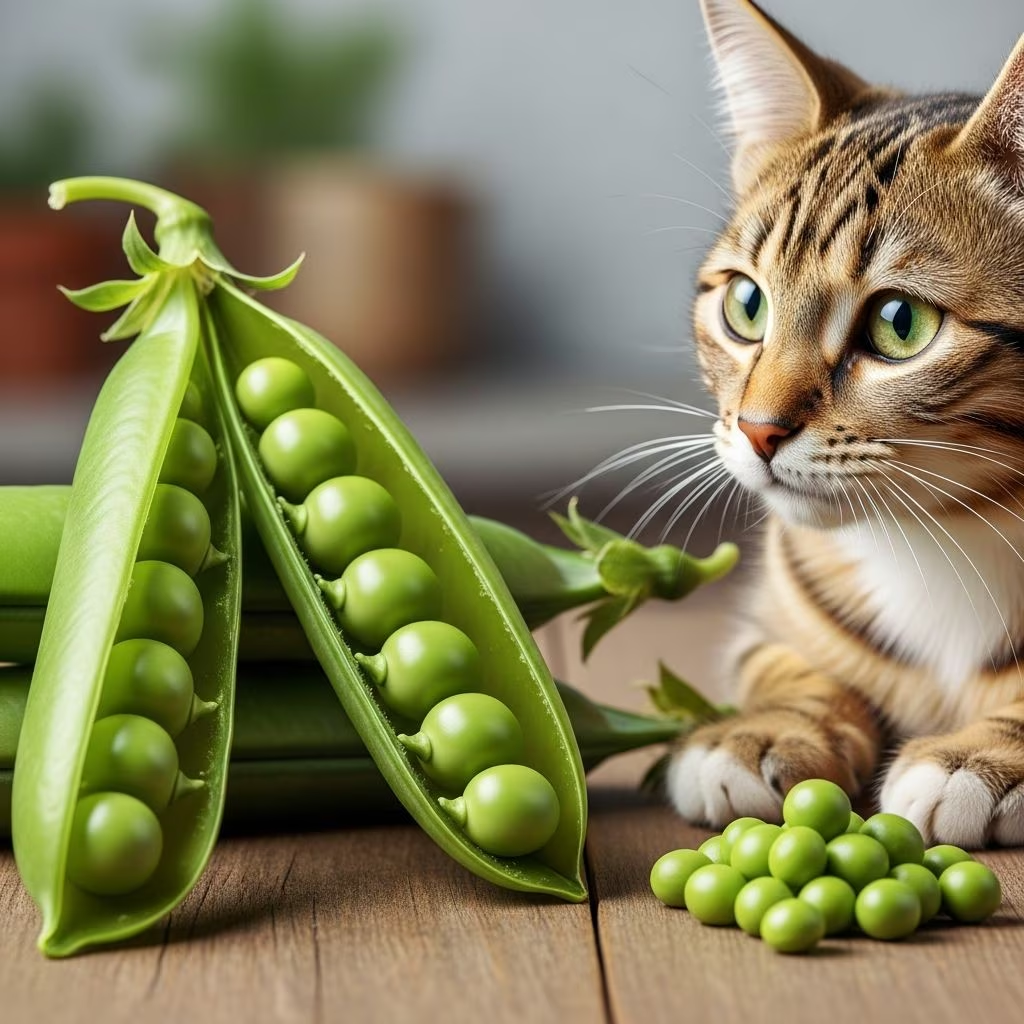
Can Cats Eat Peas?
Yes, cats can eat peas in moderation, and peas are not toxic to felines. However, while peas are safe for cats, they should only be offered as an occasional treat rather than a regular part of their diet. Understanding how to safely introduce peas to your cat’s diet is essential for maintaining their health and preventing digestive issues.
Are Peas Safe for Cats?
The straightforward answer is that peas are safe for cats to consume. Peas are non-toxic and do not pose an immediate danger to your feline companion. However, safety and nutritional appropriateness are two different things. While peas won’t poison your cat, they may not be the best dietary choice for feline health due to cats’ unique nutritional requirements.
Cats are obligate carnivores, meaning their bodies are biologically designed to obtain essential nutrients primarily from animal protein and fat sources. This fundamental difference in digestive physiology means that cats process plant-based foods differently than humans do, and they cannot efficiently extract all the nutrients from vegetables like peas.
Nutritional Content of Peas for Cats
Peas do contain various vitamins and minerals that are beneficial to many animals. These nutrients include:
- Vitamin A – supports eye health and immune function
- Vitamin B complex (B1, B6) – aids in energy metabolism and nerve function
- Vitamin C – provides antioxidant support
- Vitamin K – important for blood clotting and bone health
- Iron – essential for oxygen transport in the blood
- Copper – supports bone development and immune response
- Potassium – helps regulate heart rhythm and muscle function
- Manganese – involved in bone formation and metabolism
- Zinc – supports immune health and wound healing
- Carotenoids and flavonoids – antioxidant compounds
Despite these nutritional benefits, cats cannot effectively utilize many of these nutrients from peas. Their digestive systems lack certain enzymes and have different metabolic pathways than omnivorous animals, making it difficult for them to extract and absorb these plant-based nutrients efficiently.
Why Peas Aren’t Ideal for Cats
Although peas contain vitamins and minerals, cats have specific nutritional requirements that are best met through animal proteins. Here are several reasons why peas should not be a regular part of your cat’s diet:
Digestive Concerns
Peas contain significant amounts of fiber, which can cause digestive upset in cats. When cats consume excessive fiber, they may experience flatulence, vomiting, diarrhea, and constipation. Additionally, peas contain lectins, which are natural protein compounds that can damage a cat’s intestines if consumed in large quantities, potentially decreasing their ability to absorb and retain essential nutrients.
Nutritional Imbalance
Regular consumption of peas can dilute the overall protein levels and amino acids that cats require for optimal health. Cats need high levels of specific amino acids, particularly taurine, which is found almost exclusively in animal products. Feeding peas too frequently may result in insufficient protein intake and provide excessive amounts of certain minerals, such as phosphorus.
Weight Management Issues
Despite being relatively low in calories, peas contain carbohydrates that may promote fat storage and weight gain in cats. Cats are not designed to process large amounts of carbohydrates, and excessive carbohydrate consumption can lead to obesity and related health problems.
Potential Allergies
Some cats may develop allergies or intolerances to peas. If your cat experiences any adverse reactions after eating peas, discontinue feeding them immediately and consult your veterinarian.
Different Types of Peas: What’s Safe for Cats?
Not all peas are created equal when it comes to feline safety. Understanding the differences is important for responsible pet feeding.
Garden Peas and Snap Peas
Garden peas (also called English peas) and snap peas are the safest types for cats to eat. These can be offered fresh, frozen, or cooked, as long as they are plain without any added seasonings or butter.
Black-Eyed Peas
Cats should not consume black-eyed peas because they can lead to gastrointestinal problems. Additionally, black-eyed peas contain high amounts of sodium, which is not appropriate for feline consumption.
Snow Peas
While snow pea pods are technically safe, most sources recommend removing the pods before feeding them to cats due to choking hazards. Cooked snow pea pods may be softer and slightly safer, but plain peas are the better choice.
Canned Peas
Avoid feeding your cat canned peas because they typically contain added salt, sugar, and preservatives that can harm your cat’s digestive system. These additives provide no nutritional benefit to your cat and may cause health issues.
Proper Preparation: How to Serve Peas to Your Cat
If you decide to offer your cat peas as an occasional treat, proper preparation is essential:
- Remove pods completely – Always remove peas from their pods to prevent choking hazards
- Cook without seasonings – Never use butter, oil, salt, garlic, or any other seasonings when preparing peas for your cat
- Steam or cook plain – Steaming peas plain makes them easier for your cat to chew and digest
- Avoid canned options – Stick to fresh or frozen peas, which contain no added sodium or preservatives
- Cool before serving – Allow cooked peas to cool completely before offering them to your cat
- Offer in small amounts – Start with just one or two peas to monitor for adverse reactions
How Many Peas Can Cats Eat?
The recommended amount of peas for cats is approximately one tablespoon throughout the day, offered one to three times per week. However, peas should never make up more than 10% of your cat’s total daily caloric intake. Most importantly, peas offer no essential health benefits to cats and should not be purposefully added to their diet in significant amounts.
Starting with a very small amount is advisable. Begin by feeding your cat just a single pea and observe them for any signs of illness or allergic reactions over the next 24-48 hours. If your cat tolerates the pea well with no vomiting, diarrhea, or other adverse effects, you may occasionally offer a few more peas as treats.
Signs Your Cat May Be Allergic or Sensitive to Peas
Even though peas are generally safe, some cats may have allergies or intolerances. Watch for these warning signs:
- Vomiting or regurgitation
- Diarrhea or loose stools
- Constipation
- Excessive gas or flatulence
- Loss of appetite
- Lethargy or unusual behavior
- Skin irritation or excessive scratching
- Difficulty digesting or bloating
If you notice any of these symptoms after feeding your cat peas, discontinue immediately and contact your veterinarian.
Can Cats Eat Pea Shoots and Pea Plant?
Yes, pea shoots are non-toxic for cats and can be offered in small amounts. However, the entire pea plant, including stems, leaves, flowers, and pods, is very fibrous and difficult for cats to digest. If a cat eats too much plant material, they may experience digestive upset including vomiting, diarrhea, or gas. It’s best to stick with offering just the peas themselves rather than other parts of the plant.
Peas in Commercial Cat Foods
Many commercial cat foods, particularly those labeled as “grain-free,” include peas as an alternate carbohydrate source and to provide vitamins, minerals, and fiber. Since these foods are formulated by pet nutritionists to meet cats’ complete dietary requirements, the amount of peas included is carefully controlled and appropriate. You don’t need to worry if your cat’s regular food contains peas, as the formulation accounts for this ingredient.
Better Treat Alternatives for Your Cat
Instead of peas, consider offering your cat treats that are more aligned with their carnivorous nature:
- Cooked chicken or turkey breast
- Cooked salmon or other fish
- Commercially prepared cat treats made from meat
- Small amounts of cooked lean beef
- Cat-specific treats formulated for feline nutrition
These alternatives provide the protein and nutrients that your cat actually needs and will be more satisfying to your feline companion.
Frequently Asked Questions
Q: Are peas toxic to cats?
A: No, peas are not toxic to cats. Garden peas and snap peas are safe for cats to eat in small amounts, though they offer limited nutritional benefit for felines.
Q: Can cats eat frozen peas?
A: Yes, frozen peas are safe for cats. They should be thawed and served plain without any added seasonings, salt, or butter.
Q: How often can I give my cat peas?
A: Peas should be offered no more than one to three times per week in amounts of approximately one tablespoon. They should never exceed 10% of your cat’s daily caloric intake.
Q: Can peas cause weight gain in cats?
A: While peas are low in calories, their carbohydrate content may promote fat storage in cats. Excessive treats, including peas, can contribute to weight gain and obesity.
Q: Should I remove pea pods before feeding them to my cat?
A: Yes, always remove peas from their pods. Pods can be a choking hazard and are more difficult for cats to digest than the peas themselves.
Q: What should I do if my cat eats canned peas?
A: If your cat accidentally eats a small amount of canned peas, don’t panic. Monitor them for signs of digestive upset. However, avoid regularly offering canned peas due to their added sodium and preservatives.
Q: Can peas replace my cat’s regular food?
A: No, peas should never replace your cat’s regular balanced diet. Cats require complete and balanced cat food formulated to meet their specific nutritional needs.
Q: Are peas good for cats’ teeth?
A: While some vegetables can provide gentle chewing action, peas are too soft to provide significant dental benefits. Dental treats specifically formulated for cats are a better choice.
Conclusion: Peas as an Occasional Treat
While peas are technically safe for cats to eat, they should be treated as an occasional indulgence rather than a dietary staple. Cats’ obligate carnivore status means they are best nourished by meat-based proteins and fats found in high-quality cat food. If you choose to offer your cat peas, do so sparingly, properly prepare them without any seasonings, start with minimal amounts to check for allergies, and never allow them to constitute more than 10% of your cat’s daily intake.
Your cat’s health and happiness depend on providing appropriate nutrition tailored to their unique physiology. When in doubt about introducing any new food to your cat’s diet, consult your veterinarian to ensure you’re making the best choices for your feline friend.
References
- Can Cats Eat Peas? — PetMD. 2024. https://www.petmd.com/cat/nutrition/can-cats-eat-peas
- Can Cats Eat Peas? — Dutch. 2024. https://www.dutch.com/blogs/cats/can-cats-eat-peas
- Can Cats Eat Peas? Human Food for Cats — Kinship. 2024. https://www.kinship.com/cat-nutrition/can-cats-eat-peas
- Can Cats Eat Peas: Why They’re Beneficial & Ways to Serve Your Cat — Holistic Pet. 2024. https://www.holistapet.com/blogs/cat-nutrition/can-felines-eat-peas
- Can Cats Eat Peas? — Wag! 2024. https://wagwalking.com/wellness/can-cats-eat-peas



