

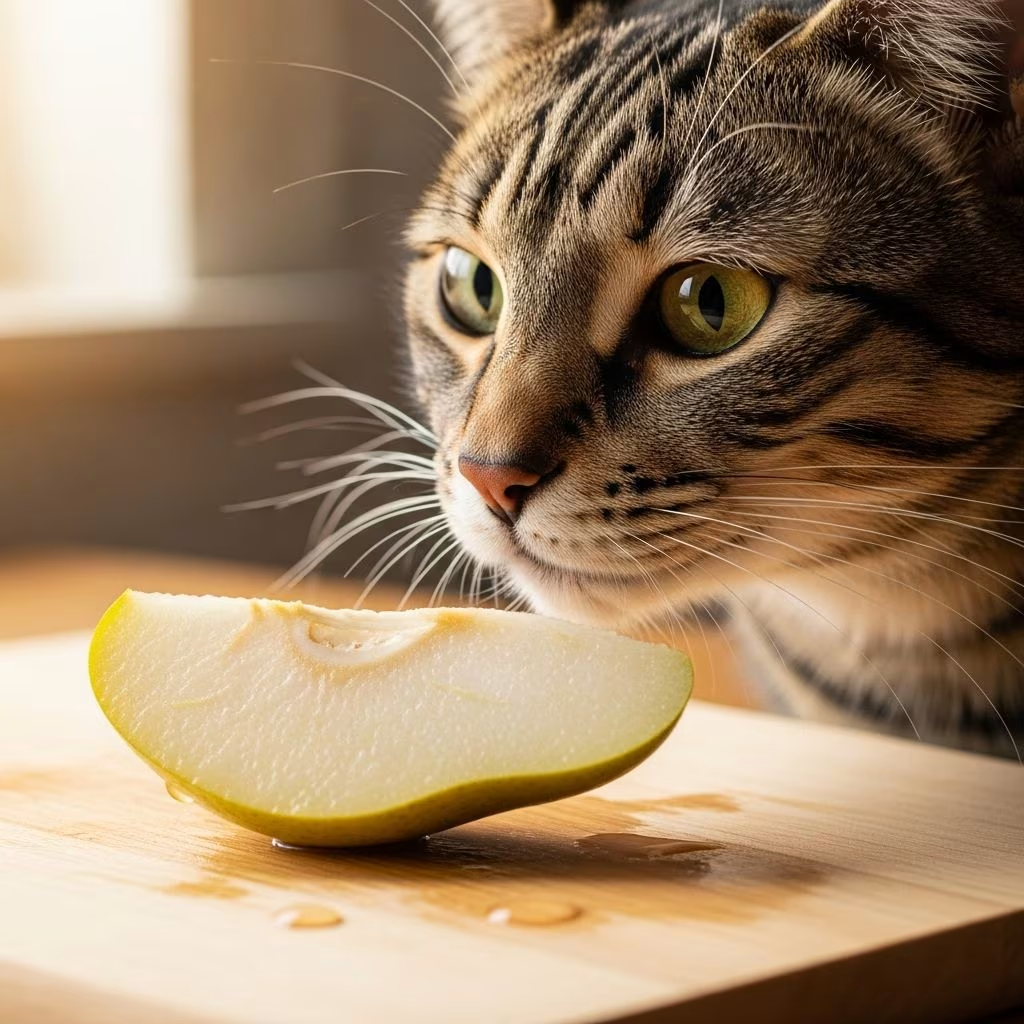
Pears can be a safe, occasional treat for cats when prepared properly, offering hydration, fiber, and vitamins like A and C, but they are not essential due to cats’ carnivorous nature.
Are Pears Safe for Cats?
Pears are generally safe for cats in small amounts, providing beneficial nutrients such as vitamins, antioxidants, fiber, and moisture that support overall health. The fleshy part of the pear is low in calories and can serve as a hydrating snack, especially in hot weather.
However, safety hinges on proper preparation. Cats are **obligate carnivores**, meaning their diet should primarily consist of meat-based nutrition, with fruits like pears acting only as nonessential treats comprising less than 10% of daily calories.
- **Nutritional Benefits**: Pears contain **vitamin A** for vision and immune function, **vitamin C** for antioxidant protection and collagen production, **fiber** for digestion, and **potassium** for heart health.
- **Hydration Boost**: High water content (about 84%) helps with fluid intake, beneficial for cats prone to urinary issues.
- **Low-Calorie Option**: Ideal for weight management when given sparingly.
Despite these perks, pears lack the complete protein, taurine, and other essentials cats derive from meat, so they should never replace balanced cat food.
Cats and Sugar
Pears are naturally high in sugars like fructose, which cats cannot efficiently digest due to lacking sweet taste receptors and specific enzymes. While not toxic, excess sugar can lead to obesity, diabetes, gastrointestinal upset, or disrupted gut microbiome.
- Cats taste bitterness but not sweetness, so they may not even enjoy pears.
- Conditions like diabetes or obesity contraindicate sugary treats entirely.
- Even ‘healthy’ natural sugars add unnecessary calories; limit to tiny portions.
Fresh pears have about 10g sugar per 100g, far more than cats need, as their energy comes from protein and fat. Opt for raw over canned pears, which are laden with syrup.
Potential Hazards of Pears for Cats
While the flesh is safe, several parts pose risks that demand careful preparation.
| Hazard | Risk Level | Details | Prevention |
|---|---|---|---|
| Pear Seeds | High | Contain cyanogenic glycosides that release cyanide, potentially fatal in quantity. | Remove core and seeds completely. |
| Pits/Core | High | Choking hazard and cyanide source. | Core out before slicing. |
| Skin/Peel | Medium | May harbor pesticides or bacteria; harder to digest. | Peel and wash thoroughly. |
| Sugar Content | Medium | GI upset, weight gain, diabetes risk. | Small portions only. |
| Bacteria/Pesticides | Low-Medium | Salmonella, E. coli from produce. | Wash, organic if possible. |
| Fiber Excess | Low | Diarrhea, gas in sensitive cats. | Start with tiny amounts. |
Choking is a concern with large pieces, especially for kittens or small cats, so cut into kibble-sized bits. Avoid pear-based products with xylitol, raisins, onions, or garlic.
Nutritional Value of Pears for Cats
Pears provide supplementary nutrients but are redundant in a complete cat diet.
- **Fiber**: Promotes gut health, regulates microbiota, aids mild constipation (1-3g per pear).
- **Vitamins**: A (eye/skin health), C (immunity, though cats synthesize it), K (blood clotting).
- **Minerals**: Copper for enzymes, potassium for muscles.
- **Antioxidants**: Beta-carotene fights oxidative stress.
Per tablespoon: 0.375mg vitamin C, 2 IU beta-carotene—helpful but not vital. Fiber supports intestinal barrier and immunity, potentially easing GI discomfort.
How to Safely Feed Pears to Your Cat
Follow these steps for risk-free treats:
- Select Fresh Pears: Ripe but firm, organic to minimize pesticides.
- Wash Thoroughly: Rinse under running water to remove bacteria/dirt.
- Peel the Skin: Reduces pesticide and digestibility issues.
- Remove Core/Seeds: Eliminate cyanide risk.
- Cut Small: Pea-sized pieces to prevent choking.
- Serve Plain: Raw or lightly steamed; no additives.
- Portion Control: 1-2 teaspoons max daily for adults; less for kittens.
- Monitor Reaction: Watch for vomiting, diarrhea; discontinue if issues arise.
Introduce gradually to check tolerance. Store leftovers refrigerated, use within 2 days.
Final Thoughts
Pears offer a fun, hydrating treat with fiber and vitamins, but moderation is crucial due to sugar and preparation needs. Prioritize AAFCO-approved cat food for complete nutrition; fruits enhance, not replace, it. Consult a vet for cats with health issues. A few seedless, peeled slivers occasionally delight without harm.
Frequently Asked Questions (FAQs)
Can cats eat pear skin?
No, remove the skin to avoid pesticides and improve digestibility.
Are pear seeds toxic to cats?
Yes, seeds contain cyanide precursors; always remove them.
How much pear can I give my cat?
Tiny amounts: 1-2 small pieces occasionally, under 10% daily calories.
Can kittens eat pears?
In very small amounts after weaning; consult vet for young kittens.
Is canned pear safe for cats?
No, sugary syrup causes issues; stick to fresh.
What if my cat ate pear seeds?
Monitor for vomiting/lethargy; contact vet if symptoms appear.
Do pears help with cat constipation?
The fiber may aid mildly, but vet advice first.
References
- Can Cats Eat Pears? Vet-Verified Nutrition Facts & FAQ — Catster. 2023. https://www.catster.com/nutrition/can-cats-eat-pears/
- Can Cats and Dogs Eat Pears? — PetPlace. 2023-09-14. https://www.petplace.com/article/general/pet-health/can-cats-dogs-eat-pears
- What Fruits Can Cats Eat? 19 Fruits Safe for Cats — PetMD. 2024. https://www.petmd.com/cat/nutrition/which-fruits-can-cats-eat
- List of Human Foods Cats Can And Can’t Eat — Pawlicy Advisor. 2024. https://www.pawlicy.com/blog/food-cats-can-and-cant-eat/
- Can You Feed Pears to Your Pets? — Bark & Whiskers. 2023-09-14. https://www.barkandwhiskers.com/2023-09-14-can-you-feed-pears-to-your-pets/
- What Fruits Can Cats Eat and Are They Safe for Your Feline? — Purina UK. 2024. https://www.purina.co.uk/articles/cats/feeding/what-cats-eat/what-fruits-can-cats-eat



