

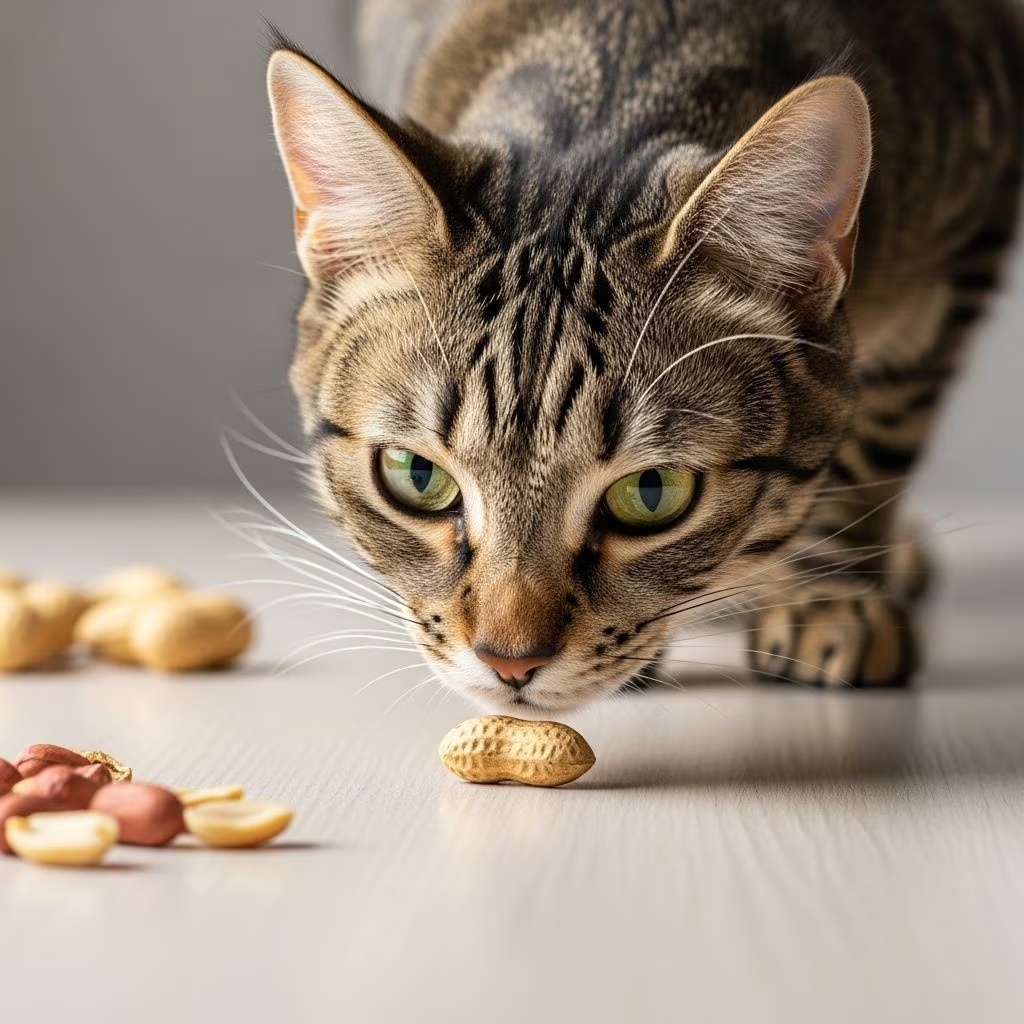
Peanuts are a popular snack for humans, packed with protein and healthy fats, but can cats eat peanuts safely? As obligate carnivores, cats have specific dietary needs that plant-based foods like peanuts don’t fulfill effectively. While plain, unsalted peanuts aren’t toxic to cats, they aren’t recommended as a regular treat due to their high fat content, potential choking hazards, and lack of species-appropriate nutrition.
This article explores whether cats can eat peanuts, the potential benefits and risks, necessary precautions, and healthier alternatives to keep your feline friend healthy and happy.
Are Peanuts Toxic to Cats?
No, peanuts are not toxic to cats. Unlike chocolate or grapes, plain peanuts do not contain compounds that are poisonous to felines. If your cat sneaks a peanut or two, it’s unlikely to cause immediate harm.
However, toxicity isn’t the only concern. Many commercial peanuts are flavored, salted, or coated in harmful additives like sugar, honey, chocolate, or xylitol (toxic to pets). These varieties can lead to salt poisoning, gastrointestinal upset, or more severe reactions. Veterinary experts emphasize that even safe peanuts should be offered sparingly because cats cannot efficiently digest plant proteins or utilize the fats and nutrients from peanuts the way humans do.
Nutritional Value of Peanuts for Cats
Peanuts offer impressive nutrition for humans: they’re rich in protein (about 25g per 100g), healthy monounsaturated fats, vitamins E and B3, and minerals like magnesium and phosphorus. These support heart health, energy production, and antioxidant protection in people.
For cats, however, these benefits are minimal. Cats are obligate carnivores, meaning their bodies are adapted to derive protein, taurine, and essential fatty acids primarily from animal sources. Plant proteins in peanuts are not broken down effectively by feline enzymes, providing little usable nutrition. The high fat content (around 49g per 100g) can contribute to obesity, diabetes, and pancreatitis if overconsumed, as cats have limited fat metabolism capacity compared to omnivores.
- Protein: Plant-based; cats prefer and need animal protein for muscle repair and taurine synthesis.
- Fats: Excessive for cats; may cause digestive issues like vomiting or diarrhea.
- Calories: High (567 kcal per 100g); a single peanut (about 5-7 kcal) adds up quickly in a cat’s low-calorie diet.
- Fiber: Present but indigestible; can lead to blockages.
In summary, peanuts provide no unique health advantages over commercial cat treats formulated for feline biology.
Health Risks and Dangers of Peanuts for Cats
While not poisonous, several risks make peanuts a poor choice for regular feeding:
1. Choking and Obstruction Hazards
Whole peanuts or shells pose serious choking risks. Cats’ small throats and lack of chewing instinct mean they may swallow peanuts whole, leading to esophageal blockages or intestinal obstructions requiring veterinary intervention. Shells are particularly fibrous and sharp, potentially causing tears in the digestive tract.
2. High Fat Content and Obesity
Peanuts are calorie-dense and fat-heavy, contributing to weight gain. Obese cats face increased risks of diabetes, arthritis, heart disease, and hepatic lipidosis (fatty liver disease). Even occasional treats can displace nutrient-rich cat food.
3. Allergic Reactions
Cats can develop peanut allergies, though less common than in humans. Symptoms include itching, swelling, vomiting, diarrhea, or anaphylaxis (rare but life-threatening). Introduce new foods cautiously and monitor closely.
4. Salt and Additives Toxicity
Salted peanuts can cause sodium ion poisoning, with symptoms like excessive thirst, tremors, seizures, or death in severe cases. Flavored varieties (e.g., honey-roasted, chocolate-covered) introduce sugars, theobromine (toxic), or xylitol.
5. Digestive Upset
The oils and fibers in peanuts often lead to vomiting, diarrhea, or pancreatitis due to poor digestibility.
| Risk Factor | Potential Issues | Prevention |
|---|---|---|
| Choking | Blockage, surgery needed | Crush into small pieces; no shells |
| Obesity | Diabetes, fatty liver | Limit to <10% of calories; occasional only |
| Allergies | Itching, anaphylaxis | Test small amount first |
| Salt/Additives | Poisoning, GI upset | Plain, unsalted only |
How to Safely Feed Peanuts to Cats (If You Must)
Vets like Dr. Hsia advise against peanuts as a staple but permit tiny amounts occasionally with strict guidelines:
- Choose wisely: Only plain, dry-roasted or boiled, unsalted, shelled peanuts. Avoid flavored, oiled, or processed varieties.
- Prepare properly: Remove shells completely. Crush or chop into tiny pieces to prevent choking.
- Portion control: Limit to 1-2 small pieces (less than 5 calories) no more than once a week. Treats should not exceed 10% of daily calories.
- Monitor: Watch for allergies (swelling, hives), vomiting, lethargy, or diarrhea. Stop immediately if issues arise and consult a vet.
- Consult vet: Especially for kittens, seniors, or cats with health conditions like pancreatitis or obesity.
Start with a minuscule amount to test tolerance.
Can Cats Eat Peanut Butter?
Peanut butter amplifies peanut risks: it’s thicker (choking hazard), higher in fats/sugars, and often contains xylitol (toxic, causing hypoglycemia and liver failure). Even natural versions lack feline nutritional value and can cause GI distress or obesity. Vets strongly recommend avoiding it entirely.
Healthier Alternatives to Peanuts for Cats
Opt for cat-specific treats that meet nutritional needs:
- Commercial cat treats: Low-calorie, meat-based options with taurine.
- Plain cooked meats: Chicken, turkey, fish (no bones/seasoning).
- Veggies: Small amounts of cooked carrot, green beans, or pumpkin for fiber.
- Feline-safe fruits: Blueberries or cantaloupe in moderation.
- DIY treats: Freeze-dried meat or tuna flakes.
These provide protein, hydration, and dental benefits without excess fats.
FAQs
Can cats eat peanuts?
Peanuts aren’t toxic but aren’t recommended due to low nutritional value, high fat, and risks like choking.
How much peanuts can cats eat?
Very little: 1-2 crushed pieces occasionally, not regularly, to avoid obesity and digestive issues.
Are peanuts safe for cats?
Safe in tiny, plain amounts but not healthy; better alternatives exist.
Are peanuts poisonous to cats?
No, but salted/flavored ones can be harmful.
Can cats eat peanut butter?
Avoid it due to choking risk, xylitol, and poor digestibility.
What to Do If Your Cat Eats Peanuts
Observe for 24-48 hours. Contact a vet if you see vomiting, diarrhea, lethargy, swelling, or breathing issues. Provide water and withhold food briefly if mild upset occurs.
References
- Can Cats Eat Peanuts? Vet Reviewed Health Benefits & Precautions — Catster. 2023-10-15. https://www.catster.com/nutrition/can-cats-eat-peanuts/
- Can Cats Eat Peanuts? Human Food for Cats — Kinship. 2024-05-20. https://www.kinship.com/cat-nutrition/can-cats-eat-peanuts
- Can Cats Eat Peanuts? — TrustedHousesitters. 2023-08-12. https://www.trustedhousesitters.com/blog/pets/can-cats-eat-peanuts/
- Can Cats Eat Peanuts? — Cats.com. 2024-02-28. https://cats.com/can-cats-eat-peanuts
- Can Cats Eat Peanut Butter or Peanuts? A Guide to Safety — Purina US. 2024-11-10. https://www.purina.com/articles/cat/feeding/can-cats-eat/peanut-butter
- Can Cats Eat Peanut Butter? — PetMD. 2024-07-05. https://www.petmd.com/cat/nutrition/can-cats-eat-peanut-butter



