

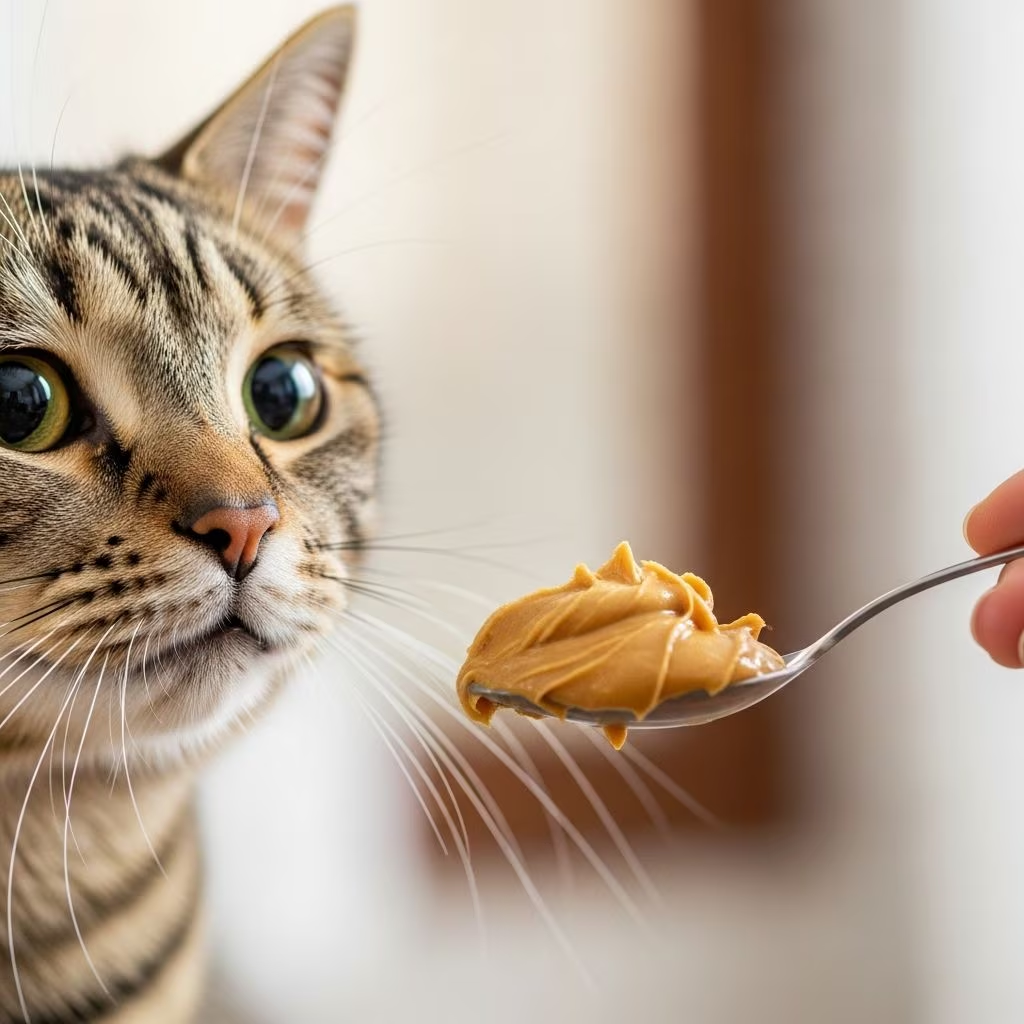
Can Cats Eat Peanut Butter? A Complete Nutritional Guide for Cat Owners
As a cat owner, you may have wondered whether it’s safe to share your favorite peanut butter snack with your feline friend. While cats might show interest in this creamy treat, the answer to whether cats can eat peanut butter is far more nuanced than a simple yes or no. The short answer is that while peanut butter is not inherently toxic to most cats, it’s generally not recommended as a regular treat due to its lack of nutritional value and potential health risks.
Understanding Your Cat’s Dietary Needs
Before deciding whether to give your cat peanut butter, it’s essential to understand what cats actually need nutritionally. Cats are obligate carnivores, which means their bodies are designed to derive nutrition primarily from animal proteins. Unlike humans or even dogs, cats cannot efficiently synthesize certain essential amino acids and nutrients from plant-based sources. This fundamental difference in metabolism makes plant-based foods like peanut butter unsuitable as a primary food source for felines.
Cats require specific nutrients from meat, including taurine, arachidonic acid, and vitamin A in its active form. These nutrients are essential for maintaining healthy vision, heart function, and overall wellbeing. Peanut butter, being plant-based and high in fat and carbohydrates, simply cannot replace the nutritional profile that cats need to thrive.
Is Peanut Butter Toxic to Cats?
The good news is that plain peanut butter without additives is not listed as toxic by the ASPCA. However, the absence of toxicity doesn’t make it a suitable treat for your cat. The concern shifts from whether peanut butter is poisonous to whether it offers any benefit to your cat’s health. The answer is no—peanut butter provides virtually no nutritional value for felines.
What makes peanut butter potentially dangerous is not the peanut itself, but the ingredients that may be added to commercial peanut butter products. This is where cat owners need to exercise caution and read labels carefully.
Key Risks of Feeding Peanut Butter to Cats
Xylitol Toxicity
The most serious concern when it comes to peanut butter for cats is the presence of xylitol, an artificial sweetener commonly found in sugar-free peanut butter brands. Xylitol is extremely toxic to cats and can cause severe liver damage and potentially fatal health complications. While this toxicity is better documented in dogs, veterinarians strongly recommend that cats avoid xylitol entirely. Even small amounts of xylitol can trigger dangerous reactions in felines, making sugar-free peanut butter an absolute no-go for cat owners.
High Fat Content
Most peanut butter products are high in fat, including trans-fatty acids that are included to maintain shelf stability. These fats can cause gastrointestinal upset in cats whose digestive systems are not designed to process high amounts of fatty foods. Excessive fat consumption can lead to diarrhea, vomiting, and gas in cats, indicating that their digestive tract is struggling to break down and process the food.
Excessive Sodium Levels
Roasted peanuts, which are commonly used in commercial peanut butter, are high in sodium. When cats consume foods with high sodium content in large quantities, they may experience vomiting, diarrhea, excessive thirst, increased urination, and in severe cases, depression and seizures. Additionally, high sodium intake can contribute to heart problems in cats, making this concern particularly important for senior cats or those with existing cardiovascular conditions.
Choking Hazard
Due to its thick, sometimes chunky consistency, peanut butter poses a choking risk for cats. Cats have small throats and mouths, and even a tiny amount of peanut butter can become stuck. Anyone who has eaten peanut butter knows how it can stick to the roof of your mouth and throat—this same issue can be magnified for cats, potentially leading to serious medical emergencies.
Caloric Density and Weight Gain
Peanut butter is calorie-dense, and indoor cats are already prone to weight gain. Feeding your cat peanut butter, even in small amounts and infrequently, can contribute to obesity. Obesity in cats leads to numerous health complications, including diabetes, joint problems, and reduced life expectancy.
Potential Allergic Reactions
Like humans, cats can develop peanut allergies. Symptoms can range from mild itching and skin irritation to life-threatening anaphylaxis. If you’ve never given your cat peanut butter before, you cannot know whether your individual cat has an allergy to peanuts.
Gastrointestinal Distress
Cats may experience various digestive issues from peanut butter consumption, including vomiting, diarrhea, stomach pain, and gas. These symptoms indicate that your cat’s digestive system is having difficulty processing the food, and continued feeding could exacerbate these problems.
Special Considerations for Health-Conscious Cats
If your cat has any existing health conditions, peanut butter should be completely avoided. Cats with diabetes, kidney disease, or chronic gastrointestinal issues such as inflammatory bowel disease should stay away from peanut butter entirely. The high fat, sodium, and caloric content of peanut butter can complicate these conditions and potentially accelerate health decline.
Additionally, if your cat has a history of digestive sensitivity or food allergies, introducing peanut butter is not worth the risk. The potential for upset stomach, diarrhea, or gas is simply too high.
Peanuts Versus Peanut Butter: Are Peanuts Safer?
You might wonder whether whole peanuts are safer for cats than peanut butter. While peanuts themselves are not toxic to cats, they carry their own set of concerns. Peanuts are high in calories and fat with no nutritional benefit for felines. They can also pose a choking hazard, particularly if they’re in their shells, and can potentially cause intestinal blockage if swallowed whole.
If you absolutely must give your cat peanuts, limit the amount to approximately one-quarter of a peanut, ensure they are unsalted, raw, and unshelled, and do so only occasionally while monitoring for any gastrointestinal issues. However, most veterinarians recommend avoiding peanuts altogether.
When Peanut Butter Might Be Appropriate
There are very limited circumstances where peanut butter might be appropriate for cats. Some veterinarians suggest using a tiny amount of xylitol-free peanut butter as a vehicle for administering medication or pills to a cat that refuses to take medication otherwise. In these situations, peanut butter serves a practical medicinal purpose rather than a nutritional one. If you use this method, ensure it is truly a smidge—a minimal amount used only occasionally and specifically for medication delivery.
Even in these cases, consult with your veterinarian first to ensure that peanut butter won’t interfere with any medications or worsen any existing health conditions your cat may have.
Safe and Nutritious Treat Alternatives for Cats
Rather than offering peanut butter, consider these cat-appropriate alternatives that provide actual nutritional benefits:
- Cooked chicken breast (plain, without seasoning)
- Cooked salmon or other fish (occasionally, due to mercury concerns)
- Commercial cat treats specifically formulated for feline nutrition
- Plain cooked turkey
- Small amounts of plain cooked eggs
- Freeze-dried meat treats
- Cat-safe vegetables like small pieces of cooked pumpkin or carrots
These alternatives satisfy your cat’s natural carnivorous cravings while providing appropriate nutrition without the health risks associated with peanut butter.
What to Do If Your Cat Has Eaten Peanut Butter
If your cat has accidentally consumed peanut butter, don’t panic immediately. First, determine what type of peanut butter they consumed. Check the label for xylitol—if the peanut butter contains xylitol, contact your veterinarian or an animal poison control center immediately, as this requires urgent medical attention.
If the peanut butter was xylitol-free, monitor your cat for signs of gastrointestinal distress over the next 24-48 hours. Symptoms to watch for include vomiting, diarrhea, loss of appetite, lethargy, difficulty breathing, hives, itching, or swelling. If any of these symptoms develop, contact your veterinarian for guidance.
Most cases of cats eating small amounts of plain peanut butter resolve without incident, but professional guidance is always the safest approach when in doubt.
Frequently Asked Questions About Cats and Peanut Butter
Q: Why do cats seem interested in peanut butter if they shouldn’t eat it?
A: Cats may be attracted to peanut butter due to its smell and the fat content, which can trigger their interest in food. However, interest in a food doesn’t indicate it’s safe or appropriate for them to consume. Many cats are drawn to foods that would actually harm them.
Q: Is there any nutritional benefit to giving cats peanut butter?
A: No. Peanut butter offers no nutritional benefit to cats. Since cats are obligate carnivores, they derive no meaningful nutrition from plant-based foods like peanut butter. Any potential risks far outweigh any perceived benefits.
Q: Can I give my kitten peanut butter?
A: No, kittens should not be given peanut butter. Kittens have even more sensitive digestive systems than adult cats and are more vulnerable to the potential negative effects of peanut butter. Focus on kitten-specific nutrition formulated for their developmental needs.
Q: What if my cat has a peanut allergy?
A: If you suspect your cat has a peanut allergy (symptoms include itching, skin irritation, ear infections, or respiratory issues), avoid all peanut products including peanut butter. Consult with your veterinarian for allergy testing and management strategies.
Q: How do I know if a peanut butter brand contains xylitol?
A: Check the ingredient label on the peanut butter jar. Xylitol will be listed in the ingredients. Sugar-free peanut butter brands are most likely to contain xylitol, but some regular peanut butters may also include it. When in doubt, contact the manufacturer.
Q: Can peanut butter help with cat constipation?
A: No, peanut butter is not an appropriate remedy for constipation in cats. In fact, its high fat content could complicate digestive issues. If your cat is constipated, consult your veterinarian for safe, appropriate treatment options.
Q: What should I do if my cat eats peanut butter regularly?
A: If your cat has been eating peanut butter regularly, contact your veterinarian. They can assess whether any health issues have developed and provide guidance on transitioning your cat away from this treat. Monitor your cat for weight gain, digestive issues, or other health concerns.
Conclusion: Prioritizing Your Cat’s Health
While the technical answer to “Can cats eat peanut butter?” is yes, the practical answer is no. Peanut butter offers no nutritional value for cats and carries multiple potential health risks, including xylitol toxicity, choking hazards, gastrointestinal upset, and obesity. As a responsible cat owner, the best approach is to avoid peanut butter entirely and opt for cat-appropriate treats that actually contribute to your feline’s health and wellbeing.
Your cat depends on you to make informed nutritional choices. By understanding your cat’s dietary requirements as an obligate carnivore and being aware of the risks associated with human foods like peanut butter, you’re taking an important step toward ensuring a long, healthy life for your beloved companion. When in doubt about any food item, always consult with your veterinarian before offering it to your cat.
References
- Can Cats Eat Peanut Butter? — Whisker. 2025. https://www.whisker.com/blog/can-cats-eat-peanut-butter
- Can Cats Eat Peanut Butter? Don’t Confuse ‘Can’ With ‘Should’ — HowStuffWorks. 2025. https://animals.howstuffworks.com/pets/can-cats-eat-peanut-butter.htm
- Can Cats Eat Peanut Butter? — Bella+Duke. 2025. https://www.bellaandduke.com/cats/expert-advice/cat-nutrition/can-cats-eat-peanut-butter/
- Can Cats Eat Peanut Butter? — Hill’s Pet Nutrition. 2025. https://www.hillspet.com/cat-care/nutrition-feeding/can-cats-eat-peanut-butter
- Can Cats Eat Peanut Butter? — Chewy. 2025. https://www.chewy.com/education/cat/food-and-nutrition/nutrition-pet-diet-tips-can-cats-eat-peanut-butter
- Can Cats Eat Peanut Butter or Peanuts? A Guide to Safety — Purina US. 2025. https://www.purina.com/articles/cat/feeding/can-cats-eat/peanut-butter
- Can Cats Eat Peanut Butter? — The Rescue Vets. 2025. https://therescuevets.com/education-resources/cat-care-tips/can-cats-eat-peanut-butter/



