

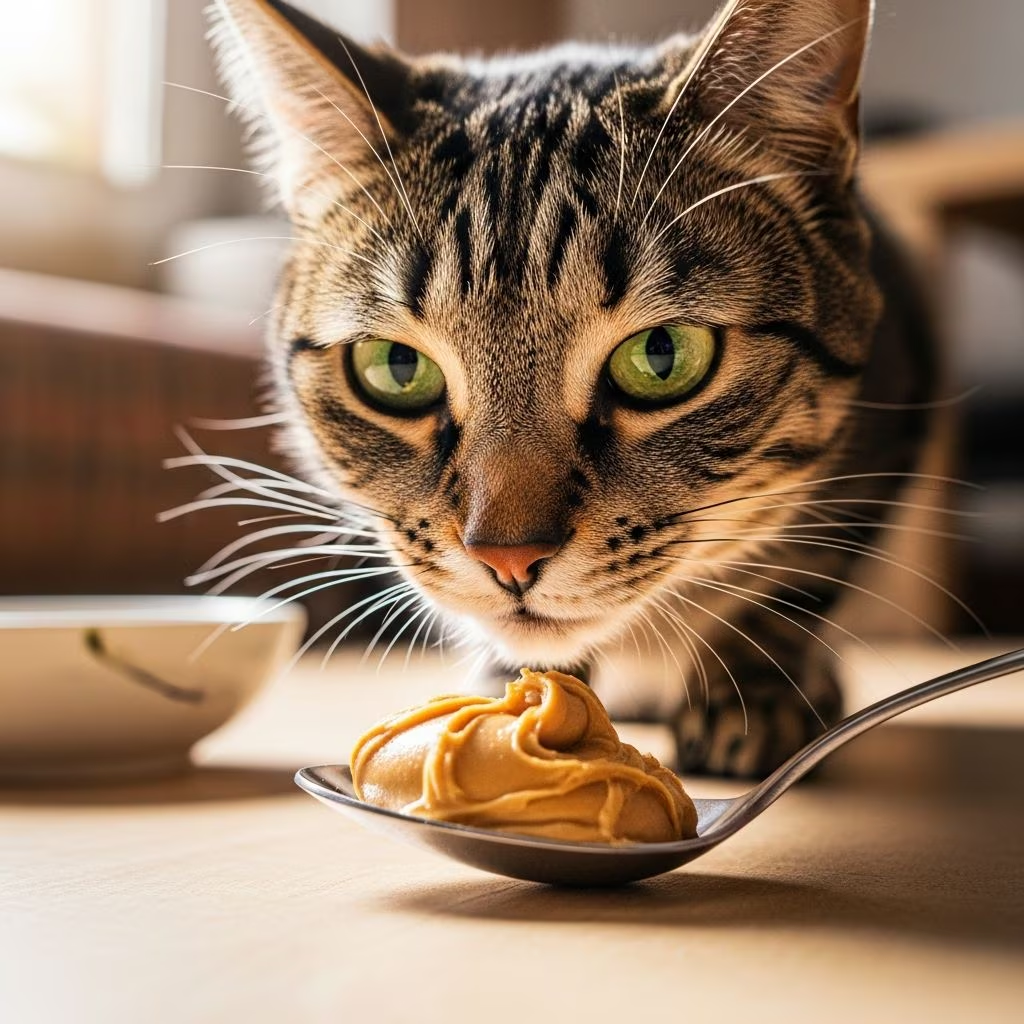
Peanut butter seems like a harmless treat, but for cats, it’s not ideal. While not inherently toxic, it provides zero essential nutrition and can lead to health issues due to its high fat, calorie, and sodium content. Cats are obligate carnivores, thriving on meat-based proteins rather than plant-derived spreads like peanut butter.
Understanding Feline Dietary Needs
Cats evolved as hunters, requiring diets rich in animal proteins, taurine, and specific fatty acids not found in peanuts. Peanut butter’s protein is plant-based and incomplete for felines, offering empty calories instead. A typical cat needs 200-300 daily calories from balanced cat food; even a small dab of peanut butter (about 100 calories per tablespoon) disrupts this balance.
Potential Dangers of Peanut Butter for Cats
Sharing your snack might seem fun, but risks outweigh any appeal. Key concerns include:
- High Fat Content: Leads to pancreatitis, digestive upset, or obesity. Indoor cats are especially prone.
- Caloric Density: One teaspoon equals 30+ calories, exceeding treat limits (10% of daily intake).
- Sodium Levels: Roasted peanuts in most brands cause thirst, diarrhea, or heart strain.
- Xylitol Toxicity: Some varieties contain this deadly sweetener, causing hypoglycemia or liver failure.
- Choking Hazard: Sticky texture risks aspiration, especially for kittens.
Overfeeding amplifies issues like diabetes or arthritis. Veterinary consensus: avoid regular use.
Is Peanut Butter Ever Safe in Moderation?
Plain, unsalted, xylitol-free peanut butter might be tolerated in tiny amounts—less than 1/4 teaspoon twice weekly for a 10-pound cat. Use sparingly for pill hiding, but monitor for vomiting or lethargy. Always consult a vet first, especially for seniors or those with conditions.
| Portion Size | Calories | Frequency | Risks if Exceeded |
|---|---|---|---|
| 1/4 tsp | ~25 | 2x/week max | Weight gain, GI upset |
| 1/2 tbsp | ~100 | Avoid | Obesity, pancreatitis |
| 1 tbsp | ~190 | Never | Toxicity, emergency vet |
Spotting Trouble: Signs Your Cat Ate Too Much
Watch for immediate reactions like drooling, pawing at mouth, or vomiting from stickiness. Delayed symptoms include diarrhea, bloating, lethargy, or excessive drinking from salt. If suspected xylitol ingestion, rush to a vet—it’s life-threatening. Home monitoring works for small amounts; otherwise, call poison control.
Healthier Treat Alternatives for Your Cat
Opt for cat-specific options meeting nutritional needs. Safe choices:
- Commercial Cat Treats: Low-calorie, taurine-enriched formulas.
- Cooked Meat: Plain chicken, turkey, or fish in tiny bits.
- Veggies: Steamed pumpkin or carrots for fiber (limited quantities).
- Dairy: Small lactose-free cheese amounts for calcium.
- Eggs: Fully cooked yolks for protein.
Avoid high-sugar fruits like bananas; stick to berries sparingly. These provide benefits without risks.
Choosing Cat Food Over Human Snacks
Complete cat foods supply all nutrients: 30-40% protein, balanced fats, vitamins. Treats should never exceed 10% calories to prevent deficiencies. Rotate flavors to keep meals exciting, maintaining lean weight and vitality.
Expert Tips for Treat Training
Use treats for positive reinforcement during training or vet visits. Break into micro-portions; pair with play for mental stimulation. Track intake via apps to avoid overfeeding. Annual vet checkups catch early obesity signs.
Frequently Asked Questions
Is peanut butter toxic to cats?
No, plain varieties aren’t, but xylitol-containing ones are deadly. High fat/salt poses indirect risks.
Can kittens have peanut butter?
Absolutely not—higher choking risk and sensitive digestion demand kitten formula only.
What if my cat stole peanut butter?
Observe for 24-48 hours; contact vet if symptoms appear.
Are natural peanut butters safer?
Somewhat, if just peanuts, but still calorie-heavy and non-essential.
How to hide meds without peanut butter?
Try “pill pockets,” tuna flakes, or vet-prescribed liquids.
Conclusion: Prioritize Feline-Specific Nutrition
While cats might lick peanut butter, it’s not worth the health gamble. Stick to vet-recommended diets for longevity and joy. Your furry friend deserves optimal care beyond human indulgences.
References
- Can Cats Eat Peanut Butter? | Litter-Robot – Whisker — Whisker. 2023. https://www.whisker.com/blog/can-cats-eat-peanut-butter
- Can Cats Eat Peanut Butter? The Ultimate Answer and Useful Tips — Total.Vet. 2024. https://total.vet/can-cats-eat-peanut-butter/
- Can cats eat peanut butter? – Bella+Duke — Bella+Duke. 2023. https://www.bellaandduke.com/cats/expert-advice/cat-nutrition/can-cats-eat-peanut-butter/
- Can Cats Eat Peanut Butter? – Hill’s Pet Nutrition — Hill’s Pet. 2024. https://www.hillspet.co.id/cat-care/nutrition-feeding/can-cats-eat-peanut-butter
- Can Cats Eat Peanut Butter? | Cat Care Advice – The Rescue Vets — The Rescue Vets. 2023. https://therescuevets.com/education-resources/cat-care-tips/can-cats-eat-peanut-butter/
- Can Cats Eat Peanut Butter? Don’t Confuse ‘Can’ With ‘Should’ — HowStuffWorks. 2024. https://animals.howstuffworks.com/pets/can-cats-eat-peanut-butter.htm



