

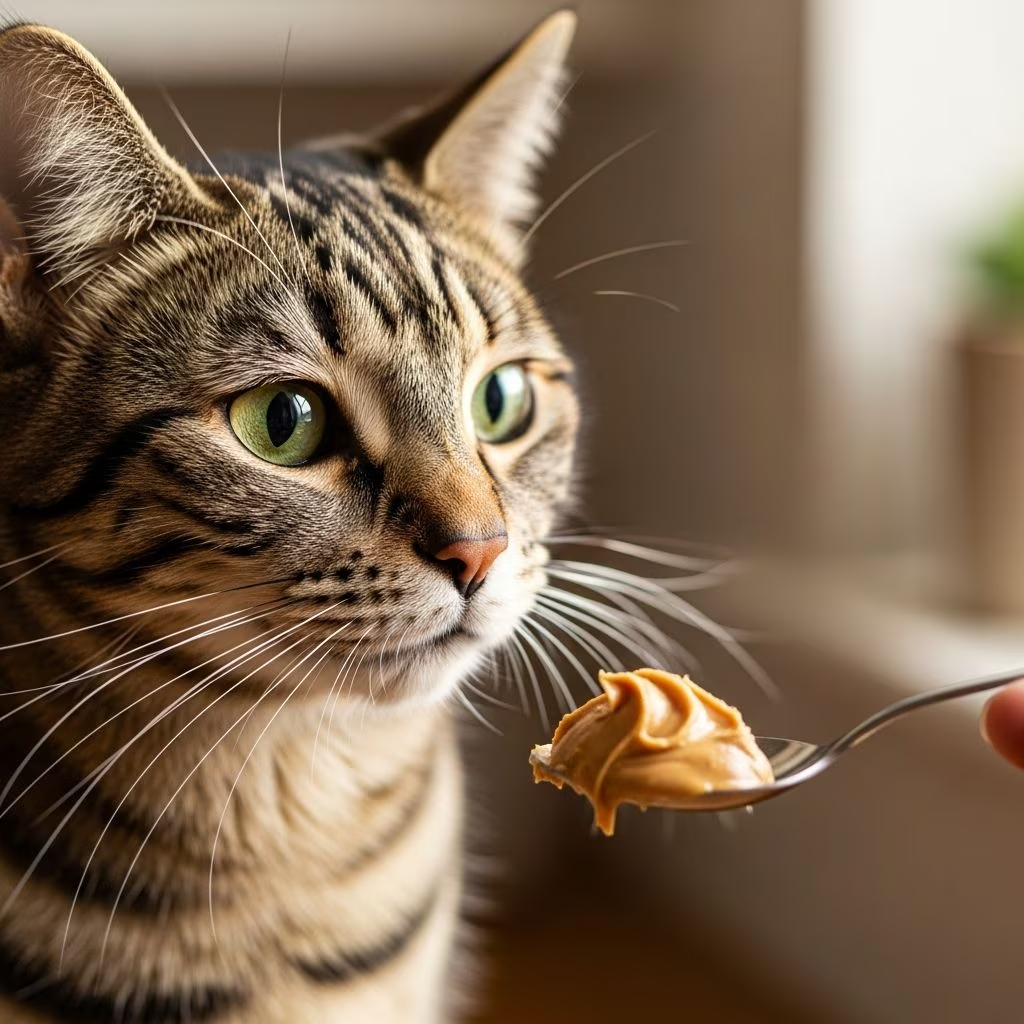
Peanut butter is a beloved treat for many humans and dogs, but when it comes to cats, the answer is more nuanced. While most peanut butter isn’t outright toxic to cats if it lacks certain additives, it’s generally not recommended due to its lack of nutritional value and potential health risks. Cats are obligate carnivores, meaning their diet should primarily consist of meat-based proteins, not plant-derived spreads like peanut butter.
This comprehensive guide explores whether cats can eat peanut butter safely, the hidden dangers, benefits (if any), and better alternatives to keep your feline healthy and happy. We’ll cover everything from ingredient risks to veterinary advice, ensuring you have all the facts for informed pet parenting.
Short Answer: Can Cats Eat Peanut Butter?
In small amounts—less than a teaspoon—and only if it’s natural peanut butter made solely from peanuts with no added salt, sugar, or xylitol, cats can technically eat peanut butter without immediate harm. However, it offers zero nutritional benefits for cats and can lead to issues like obesity, digestive upset, or choking. Veterinarians universally advise against it as a regular treat.
- Key takeaway: Skip the peanut butter; opt for cat-specific treats instead.
- Healthy cats might tolerate a tiny lick occasionally, but those with conditions like diabetes or pancreatitis should avoid it entirely.
Is Peanut Butter Safe for Cats?
Safety depends heavily on the ingredients. Standard peanut butter poses several risks due to its composition, which doesn’t align with a cat’s dietary needs. As obligate carnivores, cats require taurine-rich meat proteins; peanut butter provides empty calories from fats and carbs they can’t efficiently metabolize.
High-quality, natural peanut butter (just peanuts) is the least risky option, but even then, moderation is key. Processed varieties amplify dangers through additives. Always check labels and consult your vet before offering any human food.
Why Is Peanut Butter Bad for Cats?
Peanut butter lacks essential nutrients for cats and introduces multiple health hazards. Here’s a breakdown of the primary concerns:
- High Fat Content: A single tablespoon packs nearly 100 calories, mostly from fats. This can contribute to weight gain, especially in indoor cats prone to obesity, leading to diabetes, arthritis, and heart issues.
- Empty Calories: No vitamins, minerals, or proteins cats need. It’s like junk food—tasty but nutritionally void.
- Sodium Overload: Roasted peanuts in most brands add salt, causing excessive thirst, urination, vomiting, diarrhea, or even seizures in large amounts. Long-term, it strains the heart and kidneys.
- Choking Hazard: The thick, sticky texture can clump in a cat’s throat or mouth, posing a serious risk, especially for kittens or small breeds.
- Digestive Distress: Cats’ guts aren’t equipped for high-fat, plant-based foods, often resulting in vomiting, diarrhea, gas, or pancreatitis flare-ups.
| Risk Factor | Impact on Cats | Source Examples |
|---|---|---|
| High Fat/Calories | Obesity, diabetes | A tbsp = 100 cal (half daily needs for 10lb cat) |
| Sodium | Thirst, vomiting, heart strain | Roasted peanuts elevate levels |
| Texture | Choking | Sticky clumps in throat |
| Digestion | Diarrhea, gas | Obligate carnivores can’t process well |
Dangerous Ingredients in Peanut Butter for Cats
Not all peanut butters are created equal. Some contain toxic additives that can be fatal:
- Xylitol: This artificial sweetener in sugar-free varieties causes rapid insulin release in cats, leading to hypoglycemia. Symptoms include vomiting, lethargy, seizures, and death without prompt treatment. Even tiny amounts are dangerous.
- Sugar and Oils: Added sugars promote weight gain; hydrogenated oils add unhealthy trans fats.
- Other Nuts/Allergens: Mixed nut butters increase allergy risks or introduce other toxins.
Stick to single-ingredient peanut butter if you must, but avoidance is best.
Can Peanut Butter Kill Cats?
Yes, in specific cases—primarily xylitol poisoning, which can be fatal without veterinary intervention. For xylitol-free versions, death is unlikely from small amounts in healthy cats, but risks escalate for those with pancreatitis, diabetes, GI issues, or hepatitis.
Mild ingestion (under 1 tsp) might cause only GI upset, but monitor closely. Contact a vet or poison hotline immediately if xylitol is suspected.
Benefits of Peanut Butter for Cats
There are virtually no benefits. It provides no taurine, arachidonic acid, or other cat essentials. Any ‘enjoyment’ is short-term and outweighed by risks. Vets note it’s not part of a cat’s natural diet and can exacerbate health problems in overweight or ill felines.
Rarely, a tiny amount might serve as a pill-hiding medium, but vet-approved options exist.
How Much Peanut Butter Can Cats Eat?
If offering at all, limit to a pea-sized dab (less than 1/4 tsp) once in a blue moon for healthy adults. Kittens, seniors, and cats with conditions: zero. Daily feeding risks obesity; even occasional treats add unnecessary calories.
Can Kittens Eat Peanut Butter?
No. Kittens’ developing systems can’t handle the fat, sodium, or texture. Stick to kitten formula and vet-recommended foods to support growth.
What to Do If Your Cat Eats Peanut Butter
- Assess amount and type: Xylitol-free and tiny? Monitor for vomiting/diarrhea.
- Suspect xylitol or large quantity? Rush to vet—induce vomiting only under guidance.
- Watch for symptoms: Lethargy, tremors, seizures require emergency care.
- Prevent future access: Store securely.
Alternatives: Healthy Treats for Cats
Choose meat-based, low-calorie options:
- Commercial cat treats (freeze-dried meat).
- Plain cooked chicken/turkey (no seasoning).
- Fish like salmon (in moderation, cooked).
- Catnip or silver vine for fun without calories.
- Vet-formulated dental chews.
These provide nutrition without risks.
Can Cats Eat Peanuts?
Raw, unsalted, unshelled peanuts in tiny pieces (1/4 nut max) are safer than butter but still not ideal. Shells pose choking risks; salt causes issues. Best avoided.
Frequently Asked Questions (FAQs)
Can cats eat peanut butter and jelly?
No. Jelly adds sugars and potential xylitol, doubling calorie and toxicity risks.
Can cats eat peanut butter cookies?
Absolutely not. Cookies amplify fats, carbs, sugars, and toxins; cats poorly digest grains.
Is peanut butter toxic to cats?
Not inherently, unless xylitol-present. Still, high fat/sodium makes it harmful.
What if my cat loves peanut butter?
Distract with cat-safe treats. Their preference doesn’t override health needs.
Conclusion
While cats might snag a lick of peanut butter without disaster, it’s not worth the risks. Prioritize a meat-rich diet, regular vet check-ups, and species-appropriate treats for a long, healthy life. When in doubt, consult your veterinarian.
References
- Can Cats Eat Peanut Butter? — Hill’s Pet Nutrition. 2023. https://www.hillspet.com/cat-care/nutrition-feeding/can-cats-eat-peanut-butter
- Can Cats Eat Peanut Butter? — PetMD. 2024. https://www.petmd.com/cat/nutrition/can-cats-eat-peanut-butter
- Can Cats Eat Peanut Butter? Don’t Confuse ‘Can’ With ‘Should’ — HowStuffWorks. 2023. https://animals.howstuffworks.com/pets/can-cats-eat-peanut-butter.htm
- Can Cats Eat Peanut Butter? The Ultimate Answer and Useful Tips — Total.Vet. 2024. https://total.vet/can-cats-eat-peanut-butter/
- Can Cats Eat Peanut Butter? — Chewy. 2023. https://www.chewy.com/education/cat/food-and-nutrition/nutrition-pet-diet-tips-can-cats-eat-peanut-butter
- Can Cats Eat Peanut Butter? | Cat Care Advice — The Rescue Vets. 2024. https://therescuevets.com/education-resources/cat-care-tips/can-cats-eat-peanut-butter/



