

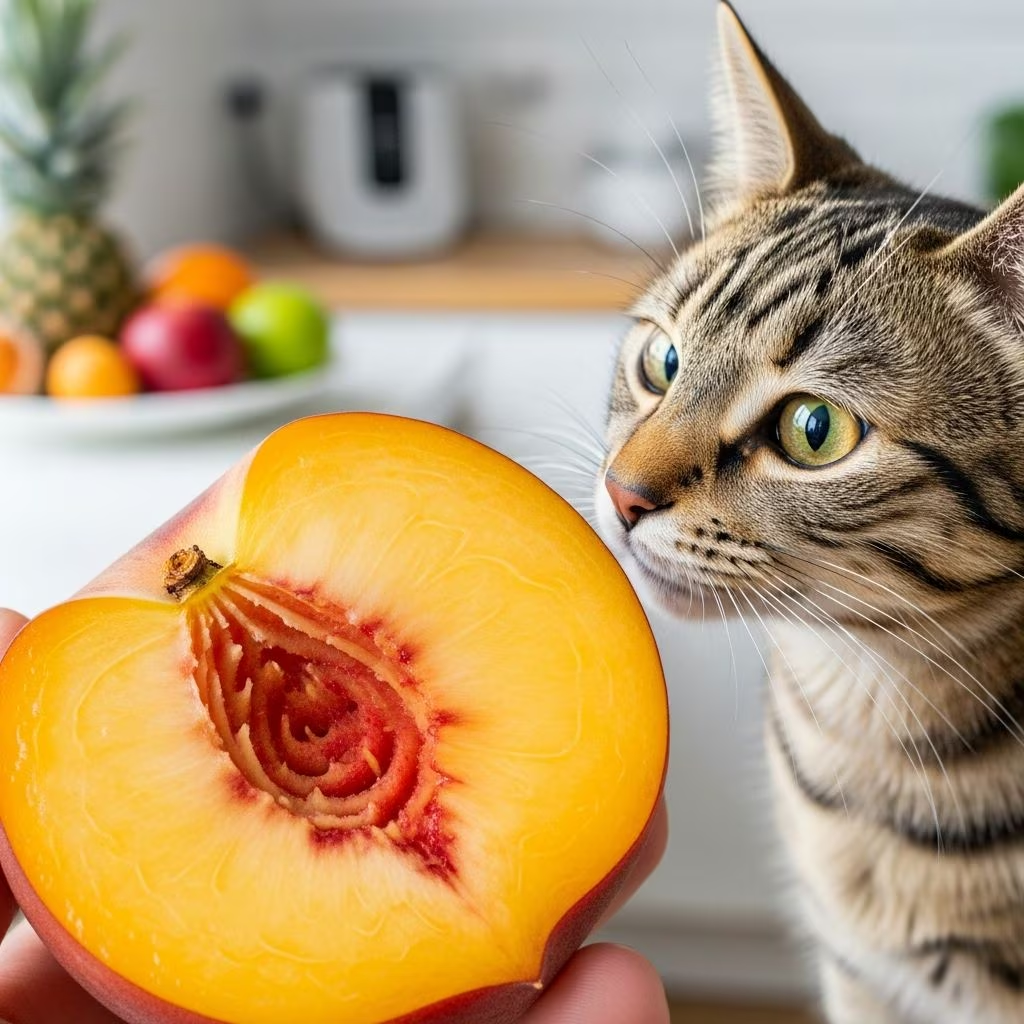
Can Cats Eat Peaches? A Complete Safety Guide
Peaches are a delicious and refreshing fruit enjoyed by many people, but as a cat owner, you may wonder if this sweet treat is safe to share with your feline companion. The answer is nuanced: while the flesh of a peach can be given to cats in very small amounts, there are significant precautions you need to understand to keep your pet safe. This comprehensive guide explores everything you need to know about cats and peaches, from which parts are toxic to how to respond if your cat ingests peach material.
Are Peaches Safe for Cats?
The flesh of a ripe peach is technically safe for cats when offered in extremely limited quantities, but peaches are not an ideal treat for felines. Unlike humans, cats have different nutritional needs and digestive capabilities. As obligate carnivores, cats are designed to derive their essential nutrients from meat-based sources rather than fruits and vegetables. While a tiny piece of peeled, pitted peach flesh is unlikely to cause immediate harm, there are important considerations and potential risks that cat owners should understand before offering this fruit to their pets.
Which Parts of a Peach Are Safe?
Understanding which parts of a peach are safe and which are dangerous is crucial for protecting your cat. Only specific portions of the peach fruit should ever be considered for feline consumption.
| Peach Part | Safety Level | Details |
|---|---|---|
| Ripe Flesh (Peeled and Pitted) | Safe in Tiny Amounts | Always remove the skin and pit completely. Offer only as an occasional treat in very small quantities. |
| Peach Skin/Peel | Highly Unsafe | Can cause choking hazards in young cats, may contain pesticide residue, and can lead to intestinal blockages. |
| Peach Pit/Seed/Stone | Highly Dangerous | Contains cyanide-producing compounds and poses a serious choking hazard and risk of intestinal obstruction. |
| Peach Leaves and Stems | Highly Toxic | Contains cyanide-releasing compounds that can cause vomiting, diarrhea, tremors, respiratory distress, and even death. |
| Canned Peaches | Unsafe | Packed in sugary syrup with additives and preservatives that are harmful to cats’ health. |
Understanding the Toxic Components of Peaches
Peaches contain a naturally occurring compound called amygdalin, which belongs to a group of substances known as cyanogenic glycosides. When ingested and broken down in the digestive system, amygdalin can release hydrogen cyanide, a toxic substance that poses serious health risks to cats. This compound is found primarily in the pit, leaves, and stems of the peach tree, but the flesh of the fruit itself contains only minimal amounts. However, this is why it’s critical to completely remove all potentially toxic parts before any peach flesh is offered to your cat.
Beyond the cyanide concern, peaches are also relatively high in natural sugars and fiber. While these components can be beneficial in a human diet, cats have evolved as carnivores and lack the necessary enzymes to efficiently process plant-based foods. The high sugar content in peaches can contribute to weight gain, dental problems, and increased risk of diabetes in cats. The fiber content, while potentially beneficial in small amounts, can cause gastrointestinal distress if consumed in larger quantities.
Nutritional Content of Peaches
Peaches do contain several vitamins and minerals that are beneficial to humans, including vitamin A, vitamin C, vitamin E, vitamin K, potassium, manganese, copper, and niacin. However, when it comes to cats, the nutritional value of peaches is limited. Cats are obligate carnivores and derive their essential nutrients from animal-based proteins. While small amounts of certain plant nutrients may be absorbed, cats cannot efficiently metabolize plant-based vitamins and minerals in the way that humans can.
A complete and balanced commercial cat food already provides all the vitamins and minerals your cat needs for optimal health. Any additional nutrients from peach treats offer minimal benefit and come with the associated risks of the fruit’s high sugar and fiber content. Rather than relying on peaches as a nutritional supplement, it’s far safer to stick with vet-approved, meat-based treats that align with your cat’s natural dietary requirements.
Symptoms of Peach Toxicity in Cats
If your cat has consumed parts of a peach that contain cyanide compounds, several warning signs may appear. It’s important to recognize these symptoms and seek veterinary care promptly if you notice any of them. The severity of symptoms depends on which part of the peach was ingested and the quantity consumed.
Symptoms of cyanide toxicity include:
– Loss of appetite- Vomiting- Diarrhea- Drooling- Lethargy and weakness- Abdominal pain- Dilated pupils- Tremors or seizures- Bright red gums and mucous membranes- Difficulty breathing- Increased heart rate- Panting or rapid breathing
If your cat has consumed too much peach flesh (without the pit), the risks are less immediately severe but still concerning. Excessive amounts can lead to digestive upset, including vomiting and diarrhea, due to the high sugar and fiber content. In these cases, monitor your cat closely for signs of gastrointestinal discomfort and contact your veterinarian for guidance.
What to Do If Your Cat Eats Peaches
If you suspect your cat has consumed any part of a peach, take immediate action to determine the severity of the situation. First, examine the area where the peach was consumed and look for any remaining peach material. If you can identify which part of the peach your cat ingested, this information will be valuable when contacting your veterinarian or poison control.
If the peach pit is still intact and accounted for, your cat likely hasn’t consumed the most toxic portion and the risk is considerably lower. However, if the pit is missing or if your cat ate the leaves, stems, or a large quantity of flesh, seek professional help immediately.
Contact these resources for assistance:
– ASPCA’s Animal Poison Control Center (APCC): (888) 426-4435- Pet Poison Helpline: (855) 764-7661
Have the following information ready when you call: your cat’s weight, the approximate amount and part of the peach consumed, and when the consumption occurred. These details will help professionals assess the risk and provide appropriate guidance.
Can Kittens Eat Peaches?
Kittens should absolutely not eat peaches. Young cats have developing digestive systems that are far more sensitive to dietary changes and potential toxins than adult cats. Their small body size means that even a tiny amount of toxic compound can have a proportionally larger impact. Additionally, kittens are at much higher risk from choking hazards and intestinal blockages due to their size and the developing coordination of their digestive tract. Even a small bite of peach can lead to vomiting, diarrhea, or more serious complications in kittens. It’s best to keep all peaches completely away from kittens and young cats.
Safe Peach Products for Cats
Beyond fresh peaches, there are several processed peach products that cat owners should avoid entirely:
Canned Peaches: Canned peaches are preserved in a sugary syrup that is far too high in sugar for a cat’s diet. Additionally, the canning process involves additives and preservatives that can be harmful to feline health. These products should never be given to cats.
Peach-Flavored Foods: It’s best to avoid giving your cat any peach-flavored foods, including peach-flavored yogurts or treats. These products often contain preservatives, added sugars, and artificial sweeteners such as xylitol, which is toxic to cats and can cause serious health complications including liver failure and hypoglycemia.
Peach Juice: Peach juice is not recommended for cats. Store-bought varieties typically contain added sugars and preservatives unsuitable for a cat’s diet. Even homemade peach juice without added sugars represents a concentration of natural sugars that is too high for feline consumption. The concentrated fruit content can contribute to weight gain and increase the risk of diabetes.
Fiber Content and Digestive Health
Peaches contain dietary fiber, particularly in the skin, which could theoretically aid in digestion. However, cats don’t have the same dietary fiber requirements as humans. While a small amount of fiber may not cause harm and might even promote better digestion in some cases, consuming too much fiber can cause an upset stomach, bloating, gas, and diarrhea. Since cats are obligate carnivores adapted to a high-protein, low-fiber diet, the fiber in peaches offers minimal benefit and carries the risk of digestive upset if consumed in anything more than minuscule quantities.
Why Cats May Be Attracted to Peaches
If you’ve noticed your cat showing interest in peaches, you may wonder what the appeal is. Cats may be attracted to peaches for several reasons, including the texture of the soft flesh, the aroma of the fruit, or the hydrating properties. Some cats are naturally curious about their owners’ food and may be interested simply because they notice you eating it. However, a cat’s interest in a food does not indicate that the food is safe or beneficial for them. It’s important to resist the urge to share your peach with your cat, even if they seem eager to try it.
Healthy Treat Alternatives for Cats
Rather than offering peaches or other fruits to your cat, focus on providing vet-approved, meat-based treats that align with their nutritional needs. Cats thrive on protein-rich foods, and there are many commercial cat treats available that are specifically formulated to be both safe and nutritious. When in doubt about whether any human food is safe for your cat, consult with your veterinarian before offering it as a treat. Your vet can recommend appropriate alternatives that will keep your cat healthy and happy.
Frequently Asked Questions
Q: Can cats eat white peaches?
A: Cats can eat very small amounts of white peach flesh if it is peeled and completely pitted. However, only offer a tiny bite as an occasional treat, if at all. Never feed the peel or pit. The high sugar content in white peaches can contribute to weight gain and increase the risk of diabetes with regular consumption. It’s safest to avoid white peaches entirely.
Q: How much peach can I give my cat?
A: Cats should only eat very small portions of peaches, if any at all. If you choose to offer peach flesh, provide only a tiny piece—no more than a taste—and only very occasionally. Most experts recommend avoiding peaches altogether rather than trying to portion them for cats.
Q: Is it OK to give cats peaches?
A: The flesh of a peach is technically safe in extremely small amounts, but there’s really no good reason to give peaches to your cat. They offer minimal nutritional benefit and come with unnecessary risks. A complete commercial cat food already provides everything your cat needs.
Q: Why do cats like peaches?
A: Cats may be attracted to peaches due to their texture, smell, or hydrating properties. They may also show interest simply because they notice you eating the fruit. However, a cat’s interest doesn’t indicate the food is safe or beneficial for them.
Q: Can cats eat any part of the peach?
A: Cats can only safely eat the flesh of a peach, and only in tiny amounts with the pit and skin completely removed. All other parts of the peach—the pit, skin, leaves, and stems—are toxic or unsafe for cats.
Q: What should I do if my cat eats a peach pit?
A: If your cat has swallowed a peach pit, contact your veterinarian or poison control immediately. The pit contains cyanide-producing compounds and poses a choking hazard and risk of intestinal blockage. Contact ASPCA’s Animal Poison Control Center at (888) 426-4435 or Pet Poison Helpline at (855) 764-7661.
Q: Are there any safe fruits for cats?
A: While some fruits are safer than others, cats generally don’t need fruit in their diet. If you want to offer occasional fruit treats, consult with your veterinarian about which options might be appropriate for your specific cat. Always prioritize meat-based treats that align with your cat’s carnivorous nature.
References
- Can Cats Eat Peaches? — Chewy. 2024. https://www.chewy.com/education/cat/food-and-nutrition/can-cats-eat-peaches
- Can Cats Eat Peaches? Human Food for Cats – Kinship — Kinship. 2024. https://www.kinship.com/cat-nutrition/can-cats-eat-peaches
- Can Cats Eat Peaches? Safe Parts & Risks – Basepaws — Basepaws. 2024. https://basepaws.com/cat-insider/can-cats-eat-peaches
- What Fruits Can Cats Eat? — PetMD. 2024. https://www.petmd.com/cat/nutrition/which-fruits-can-cats-eat
- Peach – ASPCA — ASPCA. https://www.aspca.org/pet-care/aspca-poison-control/toxic-and-non-toxic-plants/peach



