

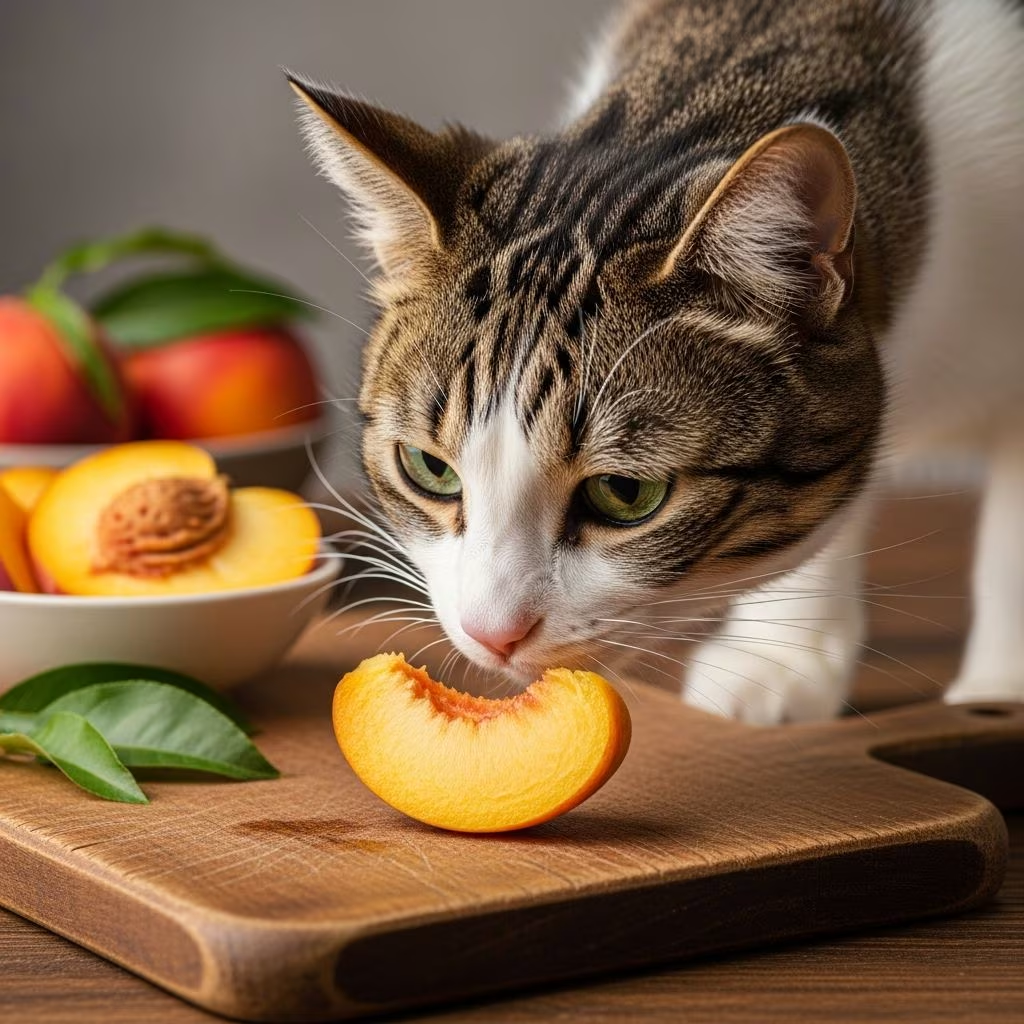
Cats can safely eat small amounts of peach flesh, as it is non-toxic and offers minor nutritional benefits like vitamins and fiber, but the pits, leaves, and stems are dangerous due to cyanogenic compounds.
Quick Answer: Can Cats Eat Peaches?
The flesh of peaches is safe for cats in **very small quantities** as an occasional treat, providing hydration and nutrients without replacing their meat-based diet. However, avoid pits, stems, leaves, canned versions, and excessive amounts to prevent toxicity, choking, digestive issues, or pesticide exposure.
Nutritional Benefits of Peaches for Cats
Peaches offer trace nutrients that can supplement a cat’s diet, though cats as obligate carnivores derive most needs from animal proteins. Key benefits include:
- Vitamin A: Supports vision, skin health, and immunity.
- Vitamin C: Antioxidant properties reduce inflammation.
- Fiber: Aids digestion and prevents mild constipation in small doses.
- Potassium: Essential for muscle function and cellular health.
- Other minerals: Like niacin, manganese, and copper for biological functions.
These perks are minimal; a balanced commercial cat food meets daily requirements. Over-reliance on fruits risks nutritional imbalance.
Dangers and Risks of Feeding Peaches to Cats
While the ripe flesh is safe, several hazards make peaches risky without preparation:
- Pits (Stones): Contain amygdalin, which releases **cyanide** when chewed—potentially fatal, causing breathing issues, vomiting, or death. Also a choking hazard or blockage risk.
- Leaves and Stems: Cyanogenic glycosides make them toxic.
- Pesticides: Residues on skin can harm cats; always wash thoroughly.
- Digestive Upset: High fiber and sugars cause diarrhea, vomiting, gas, or bloating if overfed.
- Allergies: Rare but possible—watch for itching, swelling, or breathing difficulties.
- Sugar Content: Leads to obesity or diabetes in excess.
Cats poorly metabolize plant compounds, amplifying risks.
How to Safely Feed Peaches to Your Cat
Follow these vet-recommended steps for safe sharing:
- Select Fresh, Ripe Peaches: Organic preferred to minimize pesticides.
- Wash Thoroughly: Rinse under running water to remove residues.
- Prepare Properly: Peel skin (reduces fiber overload), remove pit completely, chop flesh into tiny, fingernail-sized pieces.
- Portion Control: Limit to 1-2 small pieces weekly; not daily.
- Introduce Gradually: Monitor for 24-48 hours for reactions like vomiting or lethargy.
- Store Safely: Keep prepared pieces refrigerated; discard uneaten portions.
| Do | Don’t |
|---|---|
| Offer plain flesh only | Feed pits, skin, or leaves |
| Use small amounts | Give canned or processed |
| Wash and peel | Ignore allergies or upset |
Preserved vs. Fresh Peaches for Cats
Fresh peaches are the only safe option—peeled and pitted. Canned peaches contain sugars, syrups, preservatives, or xylitol, causing obesity, stomach upset, or toxicity.
Peach juice, flavored treats, or dried peaches concentrate sugars and additives, unsuitable for cats.
What To Do If Your Cat Eats a Peach Pit
Peach pit ingestion is an emergency:
- Symptoms: Vomiting, diarrhea, dilated pupils, rapid breathing, seizures, collapse.
- Immediate Action: Contact vet or poison hotline (e.g., ASPCA at 888-426-4435). Do not induce vomiting.
- Treatment: May involve decontamination, IV fluids, oxygen, or antidotes.
For flesh-related upset, withhold treats, offer water, and consult vet if symptoms persist >24 hours.
Other Safe Fruits and Treats for Cats
Better alternatives provide hydration and nutrients safely:
- Blueberries: Antioxidants, low calorie.
- Watermelon: Seedless rind/flesh for hydration.
- Apples: Peeled, seeded slices.
- Pears: Fiber and vitamins C/K.
- Bananas: Potassium in moderation.
Always prioritize cat-specific treats or food (90%+ of diet).
Why Do Cats Like Peaches?
Cats may be drawn to the juicy texture, mild sweetness, or fruity aroma, plus high water content (88%) for hydration—especially in summer.
Frequently Asked Questions (FAQs)
Can cats eat canned peaches?
No, avoid canned peaches due to added sugars, syrups, and preservatives that upset digestion or cause weight gain.
Are peaches toxic to cats?
Flesh is non-toxic; pits, leaves, stems contain cyanide precursors, highly poisonous.
How much peach can I give my cat?
A tiny piece (fingernail-sized) occasionally, max 1-2 times weekly.
Can cats eat peach pits or skin?
No—pits risk cyanide poisoning and choking; skin may carry pesticides or cause upset.
What if my cat has diarrhea after peaches?
Stop feeding, monitor, hydrate; see vet if lasts >24 hours.
Are peach-flavored foods safe?
No, often contain harmful additives like xylitol.
Conclusion
Peaches can be a rare, hydrating treat for cats if flesh-only, fresh, and minimal—but risks outweigh benefits for most. Stick to vet-approved diets for optimal health. Consult your veterinarian before new foods.
References
- Can Cats Eat Peaches? Benefits and Safety Tips — Dial A Vet. 2023. https://www.dialavet.com/blog/can-cats-eat-peaches
- Can Cats Eat Peaches? Human Food for Cats — Kinship. 2023. https://www.kinship.com/cat-nutrition/can-cats-eat-peaches
- Can Cats Eat Peaches? — Chewy. 2023. https://www.chewy.com/education/cat/food-and-nutrition/can-cats-eat-peaches
- Peaches & Cats: Risks & Health Concerns — Bailey’s CBD. 2023. https://baileyscbd.com/blogs/cat-nutrition/peaches-and-cats-understanding-the-risks
- What Fruits Can Cats Eat? — PetMD. 2024-01-15. https://www.petmd.com/cat/nutrition/which-fruits-can-cats-eat
- Can Cats Eat Peaches? Vet-Reviewed Facts & Precautions — Catster. 2023. https://www.catster.com/nutrition/can-cats-eat-peaches/
- Peach – Toxic and Non-toxic Plants — ASPCA Poison Control. 2023. https://www.aspca.org/pet-care/aspca-poison-control/toxic-and-non-toxic-plants/peach



