

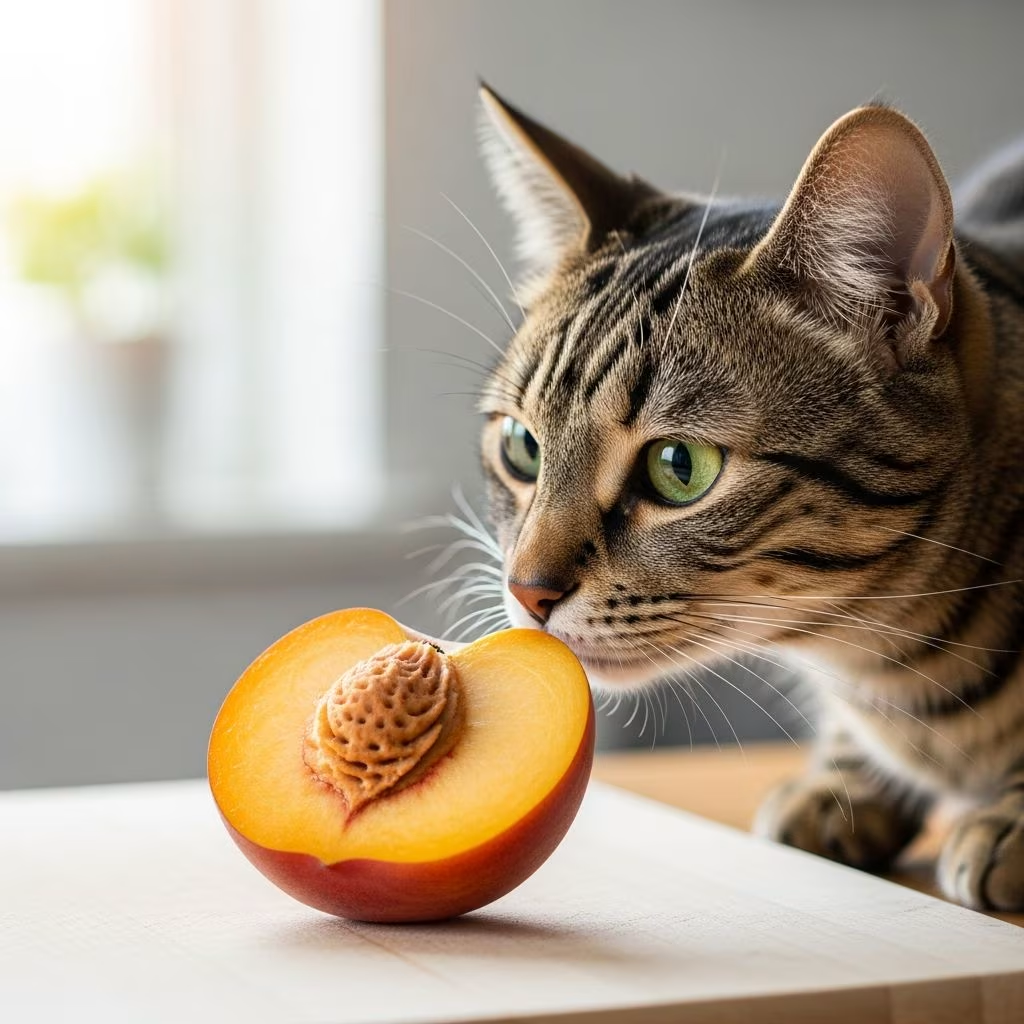
Peaches offer a sweet, juicy treat for humans, but cat owners often wonder if they can share this summer fruit with their feline companions. The flesh of peaches is generally safe for cats in small amounts, providing minor benefits like hydration and fiber, but other parts like pits, leaves, and stems pose serious risks due to cyanide content. As obligate carnivores, cats derive primary nutrition from meat-based diets, making fruits like peaches an occasional snack at best, not a staple.
Are Peaches Good for Cats?
Peaches are not essential to a cat’s diet and lack the animal-derived proteins, taurine, and fats cats require for optimal health. Cats are obligate carnivores, evolved to thrive on whole prey, so their nutritional needs are best met by complete and balanced commercial cat foods formulated by experts. That said, small portions of peach flesh can serve as a low-calorie treat with some perks.
Potential benefits include high water content for hydration, especially useful in hot weather when cats may not drink enough plain water. The dietary fiber in peaches can support digestion, potentially preventing constipation and nourishing the gut microbiome when given sparingly. Peaches also provide vitamins like A, C, E, and K, plus minerals such as potassium, manganese, copper, and niacin, which support vision, immunity, and metabolic functions—though cats absorb plant-based nutrients less efficiently than animal sources.
- Hydration boost: Over 85% water content helps maintain fluid balance.
- Fiber for digestion: Soluble fiber aids gut health without overwhelming a cat’s short digestive tract.
- Antioxidants and vitamins: Small amounts of vitamin A for eye health and vitamin C as an antioxidant.
However, these benefits are minimal compared to a cat food diet, and overfeeding can lead to issues due to natural sugars and fiber excess. Veterinary nutritionists emphasize treats should not exceed 10% of daily calories to avoid nutritional imbalances.
Can Cats Eat Any Part of a Peach?
No, cats should only consume the ripe flesh of the peach. All other parts—the pit (stone), leaves, stems, and even the skin in some cases—are toxic or hazardous. The pit contains amygdalin, a cyanogenic glycoside that breaks down into hydrogen cyanide when chewed or digested, potentially causing cyanide poisoning. Symptoms include difficulty breathing, dilated pupils, tremors, vomiting, diarrhea, weakness, and in severe cases, coma or death.
Even if the pit is swallowed whole, it presents choking hazards and risks of gastrointestinal obstruction, as the hard shell doesn’t digest and can block the intestines, requiring emergency surgery. Leaves and stems also harbor cyanide precursors, making the entire peach tree dangerous for curious cats. The fuzzy skin may irritate the digestive tract or harbor pesticides, so it’s best removed.
| Peach Part | Safe for Cats? | Risks |
|---|---|---|
| Flesh (pulp) | Yes, in moderation | Sugar overload, diarrhea if excessive |
| Pit/Stone | No | Cyanide poisoning, choking, obstruction |
| Leaves/Stems | No | Cyanide toxicity |
| Skin | Avoid | Pesticides, digestive irritation |
Are Peaches Completely Safe for Cats?
While peach flesh is non-toxic, it’s not entirely risk-free. Key concerns include high fiber content, which can cause diarrhea, bloating, and gas if introduced suddenly or in large quantities, especially for cats unaccustomed to plant matter. Peaches’ natural sugars (fructose) are poorly metabolized by cats, lacking sweet taste receptors and enzymes for efficient processing, leading to risks of obesity, diabetes, and arthritis.
Avoid canned or processed peaches packed in syrup, as added sugars, preservatives, and artificial sweeteners like xylitol are harmful or toxic. Peach-flavored treats or juices concentrate sugars and additives unsuitable for cats. Always wash fresh peaches thoroughly to remove pesticides, and cut into tiny, pit-free pieces to prevent choking.
- Fiber overload: Limits to teaspoon-sized portions for average cats.
- Sugar risks: Contributes to weight gain; monitor body condition.
- Allergies: Rare, but watch for vomiting or itching after first try.
For kittens, seniors, or cats with diabetes/IBD, consult a vet before offering peaches, as their systems may tolerate them even less.
How to Safely Feed Peaches to Cats
To minimize risks, offer peaches sparingly: no more than 1-2 small chunks (about 1 tsp) per day for a 10-lb cat, 1-2 times weekly. Select ripe, organic peaches if possible, wash under running water, peel, remove pit/stem, and dice into bite-sized pieces. Mash or puree for kittens to reduce choking risk.
Introduce gradually: Start with a tiny amount to check tolerance. Serve plain, without seasonings, yogurt, or sweeteners. Store leftovers refrigerated and discard after 2 days. Better alternatives include cat-safe fruits like blueberries, watermelon (seedless), or pumpkins for similar hydration/fiber without peach-specific risks.
- Wash and peel the peach thoroughly.
- Remove pit, stem, and any bruised areas.
- Cut into small, manageable pieces.
- Offer as a treat, not meal replacement.
- Monitor for adverse reactions.
FAQs
How many peaches can a cat eat?
Cats should only eat small portions of peaches, equivalent to 1 teaspoon of flesh occasionally, due to high fiber and sugar content. Larger amounts risk digestive upset.
Is it OK to give cats peaches?
Yes, the flesh is safe in moderation, but avoid pits, leaves, and processed forms.
Why do cats like peaches?
Cats may be attracted to the juicy texture, mild scent, or hydration, despite lacking sweet taste buds.
Can cats eat canned peaches or peach juice?
No, canned peaches in syrup and juices contain excessive sugars and additives harmful to cats.
What if my cat eats a peach pit?
Seek immediate vet care; it risks cyanide poisoning, choking, or obstruction.
Are there better fruit treats for cats?
Yes, options like apples (no seeds), bananas, or pears provide similar benefits with fewer risks when prepared properly.
In summary, while peach flesh can be a fun, hydrating nibble, prioritize a meat-based diet and use caution with portions and preparation. Always prioritize veterinary advice for your cat’s unique needs.
References
- Can Cats Eat Peaches? Human Food for Cats — Kinship. 2023. https://www.kinship.com/cat-nutrition/can-cats-eat-peaches
- Can Cats Eat Peaches? — Chewy Education. 2024. https://www.chewy.com/education/cat/food-and-nutrition/can-cats-eat-peaches
- Can Cats Eat Fruits Like Apples, Bananas, or Grapes? — Petcube Blog. 2023. https://petcube.com/blog/can-cats-eat-fruits/
- What Fruits Can Cats Eat? 19 Fruits Safe for Cats — PetMD. 2025-06-15. https://www.petmd.com/cat/nutrition/which-fruits-can-cats-eat
- Peach Poisoning in Cats — WagWalking. 2024. https://wagwalking.com/cat/condition/peach-poisoning



