

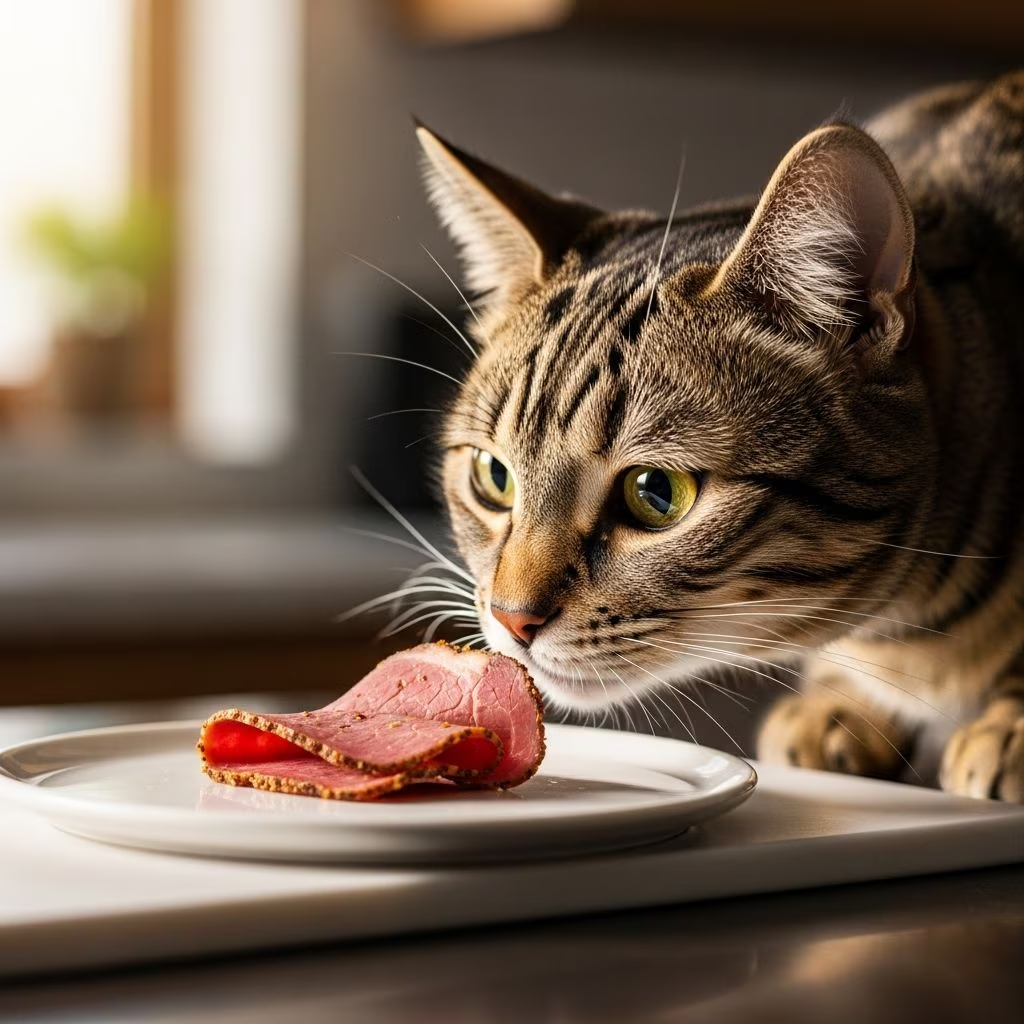
Pastrami is a popular deli meat enjoyed by many humans, but it is not safe for cats due to its high sodium content, toxic seasonings, preservatives, and smoking process. While a tiny accidental bite may not cause immediate harm, regular or significant consumption can lead to serious health issues like dehydration, anemia, kidney problems, and digestive distress.
What Is Pastrami?
Pastrami is a cured, seasoned, and smoked meat typically made from beef brisket, though turkey or lamb versions exist. The preparation involves brining the meat in a saltwater solution, coating it with a spice rub, and then smoking or cooking it. Common ingredients include salt for curing, spices like garlic, black pepper, coriander, mustard seeds, allspice, cloves, paprika, and sometimes sugar.
This process transforms plain meat into a flavorful deli staple, but the additives make it unsuitable for cats, who are obligate carnivores with specific dietary needs. Cats require high-protein, low-carbohydrate diets without added salts, spices, or preservatives.
Can Cats Eat Pastrami?
No, cats should not eat pastrami. Although a small nibble from your sandwich is unlikely to cause acute poisoning, it offers no nutritional benefits and carries substantial risks. Pastrami’s processing introduces elements toxic or harmful to felines, making it an unsafe treat.
Catster notes that while pastrami won’t put a cat in immediate danger from a few bites, habitual feeding turns a potential protein source into a health hazard due to salt and seasonings. PetsCare emphasizes avoiding it entirely, even occasionally, because of preservatives and toxic spices.
Nutrition Facts of Pastrami
A typical serving of pastrami (about 28g or 1 oz) contains high levels of sodium and fat, which are problematic for cats. Here’s a breakdown based on standard nutritional data:
| Nutrient | Amount per 28g | % Daily Value (Human) |
|---|---|---|
| Calories | 41 kcal | 2% |
| Total Fat | 1.6g | 2% |
| Cholesterol | 19mg | 6% |
| Sodium | 302mg | 13% |
| Potassium | 59mg | 1% |
| Carbohydrates | 0.1g | 0% |
| Protein | 6g | 12% |
| Iron | 3% | – |
| Vitamin B6 | 5% | – |
| Vitamin B12 | 8% | – |
Source: Hepper analysis. For cats, the 302mg sodium is excessively high—cats need far less salt, and this amount can trigger thirst, dehydration, or poisoning.
Why Is Pastrami Bad for Cats?
Pastrami’s dangers stem from its curing, seasoning, and smoking. Cats lack the enzymes to process many human foods safely, amplifying these risks.
High Sodium Content
The brining process loads pastrami with salt, often exceeding 300mg per ounce. Cats are highly sensitive to sodium; excess can cause salt poisoning, leading to excessive thirst, vomiting, diarrhea, seizures, or even death in severe cases. Even small amounts relative to a cat’s size (typically 8-12 lbs) can dehydrate them and strain kidneys over time.
Toxic Seasonings
Pastrami rubs include garlic, onion, chives, black pepper, and other spices toxic to cats. Allium compounds in garlic and onions damage red blood cells, causing hemolytic anemia. Symptoms include weakness, pale gums, rapid breathing, and collapse. Spices irritate the gastrointestinal tract, causing vomiting, diarrhea, and pain.
- Garlic/Onion: Toxic even in small amounts; damages RBCs.
- Pepper/Coriander: GI irritants leading to upset stomach.
- Mustard Seeds/Allspice/Cloves: Can cause inflammation or toxicity.
Preservatives and Nitrates
Nitrates and nitrites preserve the meat but may cause digestive issues, methemoglobinemia (impairs oxygen transport), or cancer risk with repeated exposure. Smoking adds carcinogens, increasing long-term cancer risks similar to those in humans.
Other Risks
High fat content can lead to pancreatitis, obesity, or diarrhea. Processed meats may harbor bacteria like Listeria or Salmonella if not stored properly.
Health Risks of Feeding Pastrami to Cats
Short-term effects include vomiting, diarrhea, lethargy, and excessive drinking/urination. Long-term: kidney disease, hypertension, anemia, organ damage, and increased cancer risk. Kittens, seniors, or cats with pre-existing conditions (e.g., heart/kidney issues) face amplified dangers.
- Dehydration and electrolyte imbalance from sodium.
- Anemia from garlic/onion.
- GI distress and potential pancreatitis.
- Carcinogen exposure from smoking.
- Obesity or nutritional imbalances.
Are There Any Benefits?
No significant benefits exist. The protein is overshadowed by harmful additives. Plain cooked meats provide protein without risks. Deli meats like pastrami aren’t healthy for humans either—high sodium links to heart disease, advising caution even for people.
Safe Alternatives to Pastrami for Cats
Opt for unseasoned, cooked meats as occasional treats (10% of diet max). Prioritize commercial cat food for balanced nutrition.
- Plain cooked chicken breast: Boiled or baked, skinless—high protein, low fat.
- Unseasoned turkey: Similar to chicken; avoid holiday seasonings.
- Plain cooked fish: Salmon or tuna occasionally; limit due to mercury.
- Commercial cat treats: Formulated for feline needs.
- Dehydrated meat treats: All-natural, no additives.
Never give raw meat (bacterial risk) or seasoned/human foods.
What to Do If Your Cat Eats Pastrami
Don’t panic for tiny amounts, but monitor closely for 24-48 hours. Contact a vet if symptoms appear or if more than a bite was consumed, especially in small cats.
- Symptoms to watch: Excessive thirst, vomiting/diarrhea, lethargy, loss of appetite, tremors, pale gums, rapid breathing.
- Actions: Withhold food briefly; offer water. Induce vomiting only if vet advises. Provide details: amount, ingredients, time ingested.
Vets may recommend activated charcoal, fluids, or blood tests.
Frequently Asked Questions
Is it safe to give cats pastrami occasionally?
No, avoid even occasional pastrami due to sodium, preservatives, and toxic spices like garlic.
What makes pastrami toxic to cats?
Garlic/onion cause anemia; high sodium leads to poisoning; spices irritate digestion; nitrates/smoke add risks.
Signs my cat ate too much pastrami?
Thirst, vomiting, diarrhea, lethargy, appetite loss—seek vet care immediately.
Safe deli meat alternatives for cats?
Plain cooked chicken, turkey, or fish—unseasoned, no salt/preservatives.
Can a small bite of pastrami harm my cat?
Usually not acutely, but monitor and avoid repeats to prevent cumulative damage.
Final Thoughts
Keep pastrami away from cats—its risks far outweigh any appeal. Focus on vet-approved diets with safe treats to ensure your cat thrives. Consult a veterinarian or feline nutritionist for personalized advice.
References
- Can Cats Eat Pastrami? Feeding Risks Explained — PetsCare.com. 2023. https://www.petscare.com/news/post/can-cats-eat-pastrami
- Can Cats Eat Pastrami? What You Need to Know — Hepper. 2023. https://articles.hepper.com/can-cats-eat-pastrami/
- Can Cats Eat Pastrami? Health Advice & Alternatives — Catster. 2023. https://www.catster.com/nutrition/can-cats-eat-pastrami/
- Can Cats Safely Eat Deli Meat? — The Hervey Foundation for Cats. 2023. https://www.herveycats.com/blog/can-cats-safely-eat-deli-meat



