

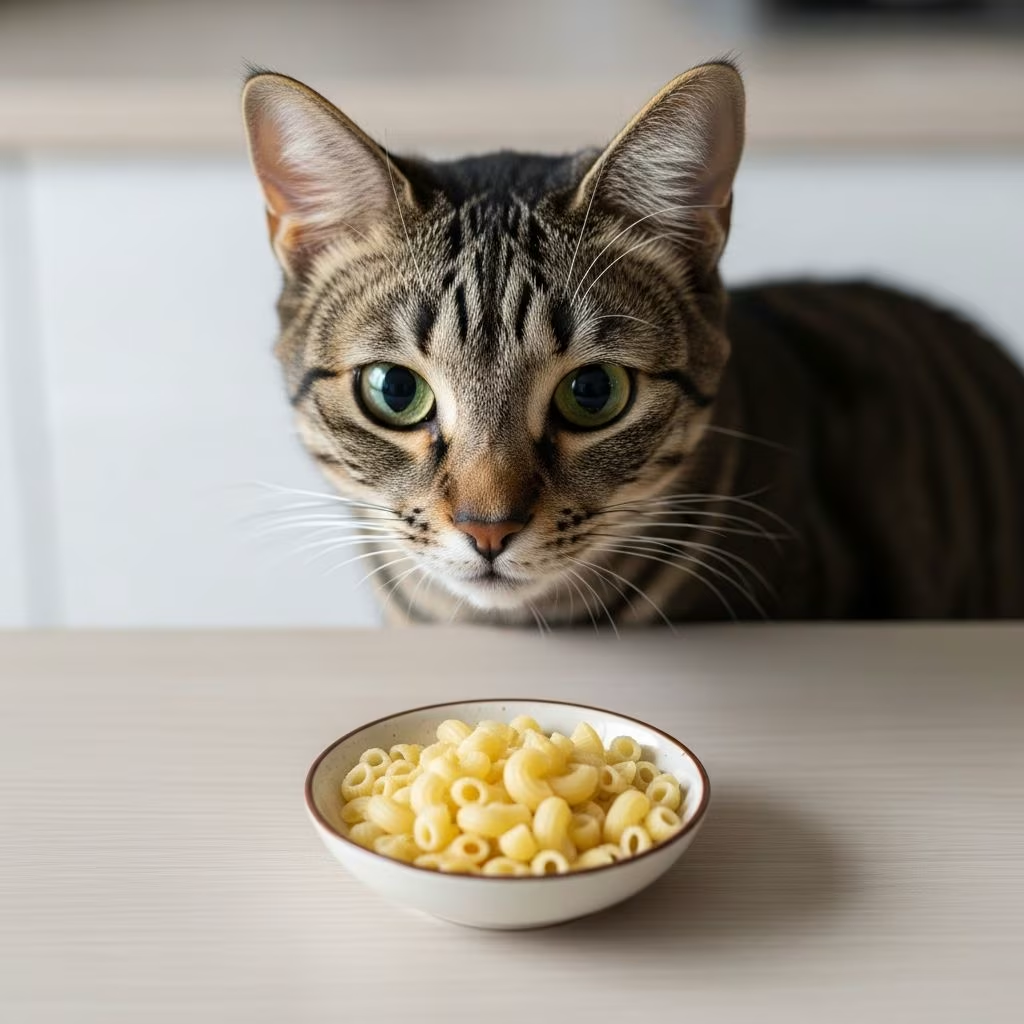
Can Cats Eat Pasta? Vet-Reviewed Diet Facts
As a cat owner, you may have wondered whether it’s safe to share your favorite pasta dish with your feline companion. The short answer is yes—cats can technically eat pasta, but with important caveats. While pasta itself is not toxic to cats, it offers little to no nutritional value and should never become a regular part of their diet. Understanding the nuances of feline nutrition is essential to keeping your cat healthy and happy.
Can Cats Eat Cooked Pasta?
Plain, cooked pasta is generally safe for cats to consume in small amounts. When thoroughly cooked and free from any sauces, seasonings, or additional ingredients, pasta poses no immediate danger to most healthy cats. However, the safety of pasta for cats doesn’t translate to nutritional benefit or health promotion.
The key to safely offering pasta to your cat is ensuring it meets these criteria:
- Fully cooked until soft and easy to digest
- Plain with no added sauces, butter, or oils
- Free from seasonings and spices
- No toppings or mixed ingredients
- Offered only as an occasional treat
If your cat has consumed a small amount of plain cooked pasta, there is generally no cause for concern. However, this should be viewed as an accident rather than an intentional feeding choice.
Why Cats Don’t Need Carbohydrates
Cats are obligate carnivores, meaning their bodies are biologically designed to derive nutrition primarily from animal protein sources. Unlike humans and even dogs, cats have digestive systems that are not efficiently equipped to process carbohydrates. Their metabolic processes are optimized to convert protein into energy rather than relying on carbs for fuel.
Pasta, which consists mainly of flour, water, and sometimes eggs, is fundamentally a carbohydrate-based food. It simply does not align with what a cat’s body requires for optimal health. Think of it this way: feeding a cat pasta is comparable to feeding a lion a bagel—the animal might consume it, but that doesn’t mean it should.
A cat’s natural diet contains:
- High levels of animal-based protein
- Moderate amounts of healthy fats
- Minimal to no carbohydrates
- Essential amino acids including taurine, arginine, and methionine
These amino acids found in animal proteins are crucial for supporting cardiovascular health, vision, immune function, and overall wellbeing.
Nutritional Value of Pasta for Cats
While pasta may contain some protein, the protein found in plant-based sources like pasta does not provide complete amino acid profiles that cats require. The nutritional composition of pasta makes it fundamentally unsuitable as a dietary component for felines.
When examining pasta’s nutritional profile for cats:
- Provides empty calories with minimal nutritional benefit
- Lacks essential amino acids cats need from animal sources
- Contributes carbohydrates cats cannot efficiently process
- Contains no vitamins or minerals unique to cat nutrition
- Offers no health advantages over proper cat food
Feeding your cat pasta regularly can lead to nutritional deficiencies and prevent them from obtaining the essential nutrients their body requires from quality feline nutrition.
Can Cats Eat Pasta Sauce?
Cats should never consume pasta sauce. Most traditional pasta sauces contain ingredients that are potentially toxic or harmful to felines. This includes tomato-based sauces, cream sauces, and oil-based preparations.
Common pasta sauce ingredients that harm cats include:
- Garlic and onions: Toxic to cats and can damage red blood cells
- Tomato sauce: Too acidic for a cat’s digestive system
- Cream and butter: Excessively fatty and difficult for cats to digest
- Olive oil: Can cause digestive upset in cats
- Salt and seasonings: Excessive sodium is harmful to feline health
Never share restaurant-style or heavily seasoned pasta dishes with your cat. The combination of sauces, seasonings, and preparation methods makes these dishes unsuitable and potentially dangerous for feline consumption.
Potential Health Risks of Pasta for Cats
Although plain pasta is not toxic, regularly feeding it to your cat introduces several health concerns that can impact their long-term wellbeing.
Weight Gain and Obesity
Pasta is high in empty calories and carbohydrates. Regular consumption contributes to unnecessary caloric intake without nutritional compensation, leading to weight gain and obesity in cats. Feline obesity is linked to diabetes, joint problems, and reduced lifespan.
Nutritional Deficiencies
If your cat fills their stomach with pasta instead of nutritionally complete cat food, they miss out on essential vitamins, minerals, and amino acids necessary for health maintenance. Over time, this can result in serious nutritional deficiencies.
Digestive Issues
Some cats struggle to digest pasta effectively, experiencing gastrointestinal problems such as diarrhea, vomiting, or constipation. Even plain pasta can irritate sensitive digestive systems.
Wheat Allergies
If your cat has a wheat allergy or sensitivity, pasta consumption should be completely avoided. Wheat-based pasta will trigger allergic reactions and gastrointestinal distress.
Uncooked Pasta and Raw Noodles
Cats should never eat raw or uncooked pasta. Raw pasta is harder to digest and poses additional risks including choking hazards and potential intestinal blockages. Keep uncooked pasta stored securely where your cat cannot access it.
Raw pasta concerns:
- Difficult or impossible for cats to digest
- Risk of choking or gastrointestinal obstruction
- May expand in the stomach or digestive tract
- Provides no nutritional benefit compared to cooked pasta
Processed Pasta and Instant Noodles
Processed pasta products such as tinned spaghetti and instant noodles are particularly problematic for cats. These products typically contain high levels of sodium, additives, and preservatives that cats cannot tolerate well.
Avoid these processed options:
- Canned pasta meals
- Instant ramen or noodles
- Pre-packaged pasta dinners
- Pasta with artificial flavoring or coloring
Excess sodium can lead to serious health problems in cats, including increased thirst, electrolyte imbalances, and kidney stress.
Alternative Pasta Options
You might wonder whether whole wheat pasta or gluten-free alternatives like chickpea spirals or brown rice penne are better options for cats. Unfortunately, they are not.
Even alternative pasta types:
- Still provide primarily carbohydrates cats don’t need
- Whole wheat contains excess fiber inappropriate for cats
- Gluten-free varieties still lack nutritional value for felines
- Don’t provide essential amino acids from animal sources
- Remain outside the spectrum of a cat’s natural diet
Rather than seeking alternative pasta options, focus on providing meat-based treats that align with your cat’s nutritional needs.
What Healthy Treats Can You Offer Instead?
Instead of pasta, offer your cat treats that provide actual nutritional benefits:
- Cooked chicken: Plain, skinless, and boneless
- Cooked salmon: Rich in omega fatty acids
- Cooked turkey: Lean protein source
- Egg: Cooked and plain
- Cat-safe vegetables: Small amounts of cooked pumpkin or carrots
Always introduce new foods gradually and in small portions, monitoring your cat for any adverse reactions.
Consulting Your Veterinarian
If you’re unsure about introducing new foods to your cat’s diet, consult with your veterinarian. Your vet can provide personalized recommendations based on your cat’s specific health status, age, and dietary requirements. This is especially important if your cat has existing health conditions, allergies, or dietary sensitivities.
Frequently Asked Questions
Q: Is pasta toxic to cats?
A: No, plain cooked pasta is not toxic to cats. However, it offers no nutritional value and should be avoided as a regular food. Pasta with sauces, seasonings, garlic, or onions can be harmful.
Q: How much pasta can I safely give my cat?
A: If your cat accidentally eats plain cooked pasta, small amounts (a few strands) are unlikely to cause harm. However, intentional feeding should be avoided entirely or reserved for extremely rare occasions only.
Q: What should I do if my cat eats pasta with sauce?
A: Monitor your cat for signs of digestive upset or allergic reactions. If your cat consumed pasta with garlic or onions, contact your veterinarian immediately. Watch for symptoms like vomiting, diarrhea, or lethargy.
Q: Can kittens eat pasta?
A: Kittens should not be given pasta. They require nutrient-dense foods to support growth and development. Plain cooked pasta provides only empty calories and can displace essential nutrition.
Q: Is there any pasta my cat can safely eat?
A: Only plain, fully cooked pasta without any sauces, seasonings, or toppings is safe in tiny amounts. Even then, it provides no benefit and should never be intentionally fed to your cat.
Q: What are signs my cat has eaten something harmful?
A: Watch for vomiting, diarrhea, lethargy, loss of appetite, abdominal pain, or unusual behavior. If you suspect your cat consumed something toxic, contact your veterinarian or poison control immediately.
Final Thoughts
While technically cats can eat pasta as it’s not toxic, the bottom line is that pasta has no essential nutritional value for your cat. Cats cannot digest raw pasta, so you should keep uncooked portions out of their reach. However, eating plain noodles here and there won’t hurt them at all, apart from minor gastric upset or allergic reactions.
The most important consideration is that your cat’s diet should prioritize their biological needs as obligate carnivores. Rather than sharing human comfort foods, commit to providing high-quality cat food formulated to meet feline nutritional requirements. If you want to treat your cat, choose meat-based options that align with their natural dietary needs.
For those committed to supporting your cat’s long-term wellness, the best approach is providing food that is right for their kind—mainly meat and high in protein. Let pasta stay on your plate, and give your cat food that fits what they need by nature.
References
- Can Cats Eat Pasta? | Find Out if Pasta is Safe for Your Cat — Feline Fancy. 2024. https://felinefancy.co.uk/blogs/cat-care-tips/can-cats-eat-pasta
- Can Cats Eat Pasta? Here’s What Vets Say About It — PetFirst. 2024. https://petfirst.ae/can-cats-eat-pasta/
- Can Cats Eat Pasta? What’s Safe, What’s Not, and Why It Matters — Noble Vet Clinic. 2024. https://noblevetclinic.com/blog/can-cats-eat-pasta
- Can Cats Eat Pasta? – Maven Pet — Maven Pet. 2024. https://maven.pet/all-about-pets/pet-care/cat-diet/can-cats-eat-processed-foods/can-cats-eat-pasta/
- Can Cats Eat Pasta? Vet-Reviewed Diet Facts & FAQ — Catster. 2024. https://www.catster.com/nutrition/can-cats-eat-pasta/



