

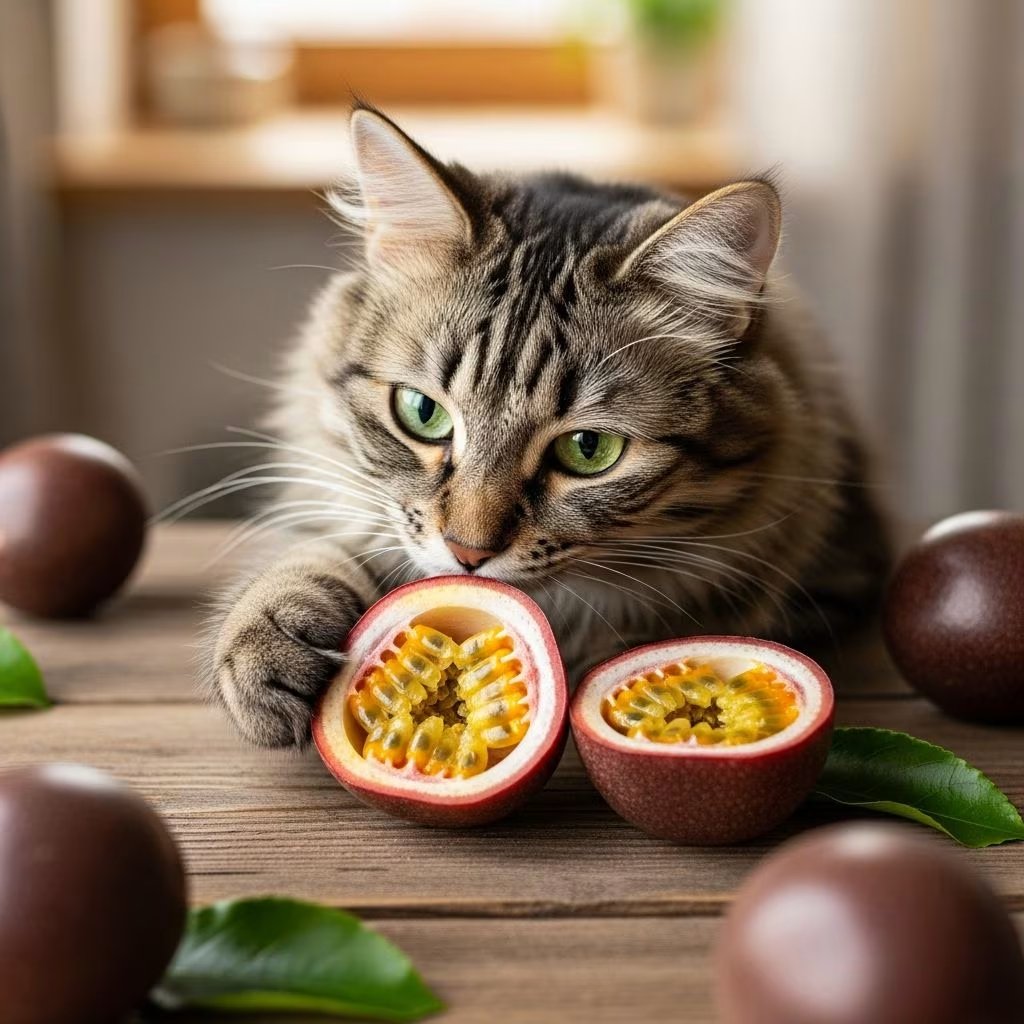
Passion fruit is a tropical delight packed with vitamins and antioxidants for humans, but cats should not eat passion fruit. As obligate carnivores, cats thrive on meat-based diets, and passion fruit poses risks like digestive upset, choking hazards, and potential cyanide poisoning from seeds. While small amounts of the flesh might not cause immediate harm, it’s best avoided entirely to prevent health complications.
The Short Answer
In short, no, passion fruit is not safe for cats. The seeds contain cyanogenic glycosides that can release cyanide, the rind is indigestible and toxic, and even the flesh can lead to vomiting or diarrhea in sensitive cats. Stick to vet-approved treats and consult your veterinarian if your cat ingests any.
What Is Passion Fruit?
Passion fruit, or Passiflora edulis, is a vibrant, egg-shaped tropical fruit native to South America. Its tough outer rind encases a juicy, seed-filled pulp with a tangy-sweet flavor rich in vitamins A and C, fiber, and antioxidants. Humans enjoy it fresh, in juices, or desserts, but its complex structure—rind, pulp, and crunchy black seeds—makes it problematic for cats, who lack the enzymes to process plant sugars and fibers efficiently.
Nutritionally, passion fruit offers hydration and polyphenols for people, supporting immune health and digestion. However, cats derive no essential benefits from it, as their diet requires high protein and taurine from animal sources.
Can Cats Eat Passion Fruit? Risks and Dangers
Feeding passion fruit to cats introduces several hazards. Here’s a breakdown:
- Digestive Upset: The high fiber and sugar content can cause vomiting, diarrhea, or stomach cramps, especially in large amounts.
- Cyanide Poisoning from Seeds: Seeds contain cyanogenic glycosides, which break down into hydrogen cyanide—a toxic compound that interferes with oxygen use in cells. Even small quantities pose risks.
- Choking and Blockages: Hard seeds and rind pieces can lodge in the throat or intestines, leading to choking or obstructions requiring veterinary intervention.
- Allergic Reactions: Some cats may experience hypersensitivity, showing as itching, swelling, or lethargy.
Symptoms of passion fruit ingestion include drooling, pawing at the mouth, vomiting, diarrhea, lethargy, rapid breathing, or seizures in severe cases. If observed, contact a vet immediately—do not induce vomiting at home.
Benefits of Passion Fruit for Cats (If Any)
There are no proven benefits to feeding passion fruit to cats. While it provides hydration and antioxidants for humans, cats get these from their complete commercial diets or safe alternatives. Obligate carnivores like cats cannot efficiently metabolize fruit sugars (fructose), which can lead to obesity or diabetes over time. Any perceived ‘treat’ value doesn’t outweigh the risks.
How to Safely Prepare Passion Fruit for Cats (Not Recommended)
Due to the dangers, preparation isn’t advised. If you insist on trying a tiny amount of flesh (against recommendations), scoop out pure pulp, discard all seeds and rind, and offer a pea-sized piece. Wash thoroughly to remove pesticides. However, monitor closely and avoid repetition—safer options exist.
| Part of Passion Fruit | Safe for Cats? | Risks |
|---|---|---|
| Flesh/Pulp | Potentially in tiny amounts | Digestive upset, high sugar |
| Seeds | No | Cyanide toxicity, choking |
| Rind | No | Toxicity, blockages |
What Happens If a Cat Eats Passion Fruit?
If your cat sneaks a small piece of flesh, they might experience mild stomach upset, resolving in 24-48 hours with bland food and water. Larger ingestions or seeds/rind can escalate to poisoning: cyanide inhibits cellular respiration, causing weakness, dilated pupils, and collapse. Seek emergency care for symptoms like tremors or breathing issues. Vets may administer activated charcoal, IV fluids, or antidotes.
Prevention is key—store fruits securely and supervise curious cats.
Safe Fruits and Vegetables for Cats
Cats don’t need fruits or veggies, but small amounts of these can be occasional treats (less than 10% of diet). Always remove seeds, rinds, and pesticides; chop into tiny pieces.
- Apples: Vitamin C and fiber for digestion; coreless slices only.
- Apricots: Beta-carotene for eyes; pit-free flesh.
- Bananas: Potassium for heart health; mash small bits, limit due to sugar.
- Blackberries: Antioxidants for immunity.
- Blueberries: Flavonoids for overall health; 1-2 per day.
- Cranberries: Urinary support; unsweetened.
- Cucumber: Hydrating, low-cal snack.
- Honeydew: Vitamin C for hydration.
- Kiwi: Fiber and antioxidants; peel and dice.
- Mangos: Vitamins A/C for skin; pit-free.
- Peaches: Fiber for digestion; no pits.
- Pears: Potassium boost; coreless.
- Pineapple: Enzymes for mild digestion aid.
- Plums: Antioxidants; flesh only.
- Raspberries: Fiber and vitamins; 1-2 pieces.
- Strawberries: Vitamin C; chopped small.
- Watermelon: Hydration; seedless rind-free.
Avoid grapes, raisins, citrus, and unripe tomatoes—they’re toxic.
Fruits and Vegetables to Avoid for Cats
- Grapes/Raisins: Kidney failure.
- Citrus: Acids cause upset.
- Avocado: Persin toxin.
- Persimmons: Seeds cause bezoars.
- Passion Fruit: As detailed above.
FAQs
Can cats eat passion fruit seeds?
No, passion fruit seeds are dangerous due to choking risks and cyanogenic glycosides that release cyanide.
Is passion fruit skin toxic to cats?
Yes, the rind is indigestible and can cause blockages or toxicity.
What if my cat ate passion fruit?
Monitor for vomiting, diarrhea, or lethargy. Call your vet immediately if symptoms appear—don’t wait.
Are there benefits to passion fruit for cats?
No significant benefits; risks outweigh any minor hydration or antioxidants.
What fruits can cats eat safely?
Blueberries, bananas, watermelon (seedless), and strawberries in moderation.
How much fruit should cats eat?
No more than 10% of calories; prioritize meat-based kibble or wet food.
Commercial cat foods meet all nutritional needs—fruits are just fun extras. Always prioritize a balanced diet and consult your vet for personalized advice.
References
- What Fruits Can Cats Eat? 19 Fruits Safe for Cats — PetMD. 2023-10-15. https://www.petmd.com/cat/nutrition/which-fruits-can-cats-eat
- Can Cats Eat Passion Fruit? Risks and Vet Advice — Dial a Vet. 2024-05-20. https://www.dialavet.com/blog/can-cats-eat-passion-fruit
- 16 Fruits & Vegetables That Cats Can Eat: Vet-Reviewed Facts & Tips — Catster. 2024-08-12. https://www.catster.com/nutrition/fruits-and-vegetables-cats-can-eat/
- 12 Types of Cat Food: Everything You Need to Know — Cats.com. 2024-03-05. https://cats.com/types-of-cat-food



