

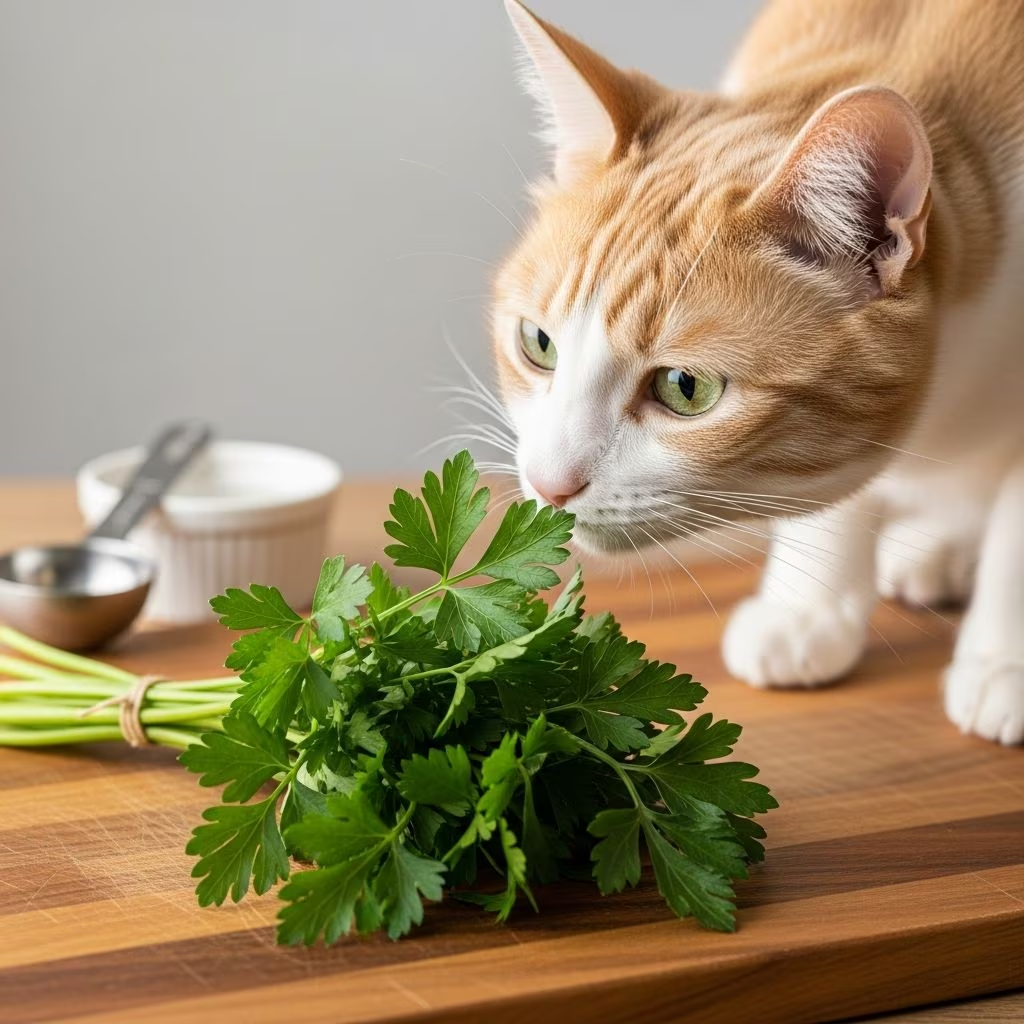
Parsley is a common kitchen herb rich in nutrients, but cat owners often wonder if it’s safe for their feline friends. In moderation, parsley can be safe and even beneficial for most cats, offering vitamins and antioxidants. However, large amounts pose risks like photosensitization due to furanocoumarins, as noted by the ASPCA. This article covers benefits, risks, safe feeding methods, and more to help you decide.
The Health Benefits of Parsley
Parsley provides several potential health advantages for cats when given sparingly. It’s loaded with essential nutrients that support overall wellness.
- Vitamin A: Promotes healthy vision, skin, and immune function.
- Vitamins C and K: Boost immunity, aid blood clotting, and support bone health.
- Antioxidants: Combat free radicals, potentially reducing oxidative stress.
- Diuretic properties: Help flush the urinary tract, preventing stones or gravel.
- Fresh breath: Acts as a natural deodorizer for bad breath.
These benefits stem from parsley’s nutrient profile, including potassium, folate, and iron, making it a occasional treat rather than a staple. Studies on pets are limited, but anecdotal reports and nutritional analysis support these claims.
Is Parsley Toxic to Cats?
Parsley is not outright toxic in small quantities but can become harmful if overconsumed. The ASPCA classifies it as toxic to cats due to furanocoumarins and apiol, which in large doses cause photosensitization—making skin hypersensitive to sunlight, leading to burns or dermatitis.
Other risks include:
- Digestive upset: Vomiting, diarrhea from excess fiber or irritants.
- Kidney strain: Diuretic effects worsen pre-existing conditions.
- Pregnancy risks: May induce uterine contractions.
- Spring or curly parsley: More potent toxins; avoid entirely, stick to flat-leaf (Italian) parsley.
Dried parsley is riskier due to concentration, and parsley sauce with dairy can cause lactose intolerance issues. Always prioritize fresh, organic parsley free of pesticides.
Parsley Water for Cats
A safer alternative to direct feeding is parsley water, which dilutes the herb while retaining benefits. Chop fresh flat-leaf parsley, steep 1-2 teaspoons in a cup of water for 10-15 minutes, strain, and offer 1-2 teaspoons daily.
Benefits include urinary tract support without overload risks. Limit to short-term use and monitor for reactions. This method is vet-recommended for cats prone to kidney stones.
How to Safely Feed Parsley to Cats
To minimize risks, follow these guidelines:
- Start small: 1-2 tiny leaves or sprigs weekly for adults.
- Wash thoroughly: Remove pesticides and dirt.
- Chop finely: Mix into wet food for better acceptance.
- Avoid for vulnerable cats: Kittens under 6 months, pregnant, or kidney-compromised felines.
- No daily feeding: Treat occasionally to prevent buildup.
| Parsley Type | Safety Level | Recommended Amount |
|---|---|---|
| Flat-leaf (Italian) | Safe in moderation | 1-2 leaves/week |
| Curly | Riskier, avoid | None |
| Spring Parsley | Toxic | None |
| Dried | Concentrated, avoid | None |
This table summarizes types based on toxin concentration.
Signs Your Cat May Be Reacting to Parsley
Watch for adverse effects post-feeding:
- Vomiting or diarrhea
- Lethargy or weakness
- Excessive drooling
- Skin redness or sunburn (photosensitization)
- Changes in urination or appetite.
If symptoms appear, stop immediately and contact a vet. Severe cases may require supportive care.
Nutritional Breakdown of Parsley for Cats
Here’s how parsley stacks up nutritionally:
| Nutrient | Benefit for Cats | Safe Quantity |
|---|---|---|
| Vitamin A | Vision, immunity | Trace via fresh herb |
| Vitamin K | Blood clotting | Minimal |
| Folate | Cell function | Small amounts |
| Iron | Blood health | Supplemental only |
Whole fresh parsley is preferable to isolates.
Frequently Asked Questions (FAQs)
Can parsley harm my cat?
In small amounts, no—but excess can cause toxicity or upset. Consult a vet.
Is parsley toxic to cats?
ASPCA lists it as toxic in large quantities due to furanocoumarins; moderation is key.
Can I give my cat parsley every day?
No, occasionally only to avoid risks.
What type of parsley is safe for cats?
Fresh flat-leaf; avoid curly, spring, or dried.
Is dried parsley safe?
No, more potent and risky.
Can pregnant cats eat parsley?
Avoid, as it may cause contractions.
Conclusion
Parsley can be a nutritious treat for cats in strict moderation, especially as parsley water, but risks like toxicity demand caution. Flat-leaf varieties offer vitamins and urinary benefits without spring parsley’s dangers. Always vet-check for your cat’s needs, prioritizing safety over experimentation.
References
- Can Cats Eat Parsley? Benefits and Risks — Dial A Vet. 2023. https://www.dialavet.com/blog/can-cats-eat-parsley
- Can Cats Eat Parsley? Let’s Find Out! — Raised Right Pets. 2023. https://www.raisedrightpets.com/blog/can-cats-eat-parsley/
- Can Cats Eat Parsley? Vet-Verified Facts & FAQ — Catster. 2024-01-14. https://www.catster.com/nutrition/can-cats-eat-parsley/
- Parsley for Cats: Safe Benefits and Critical Limits — Alibaba Spice Basics. 2023. https://spice.alibaba.com/spice-basics/parsley-cats
- Parsley – Toxic and Non-toxic Plants — ASPCA. 2023-05-15. https://www.aspca.org/pet-care/aspca-poison-control/toxic-and-non-toxic-plants/parsley



