

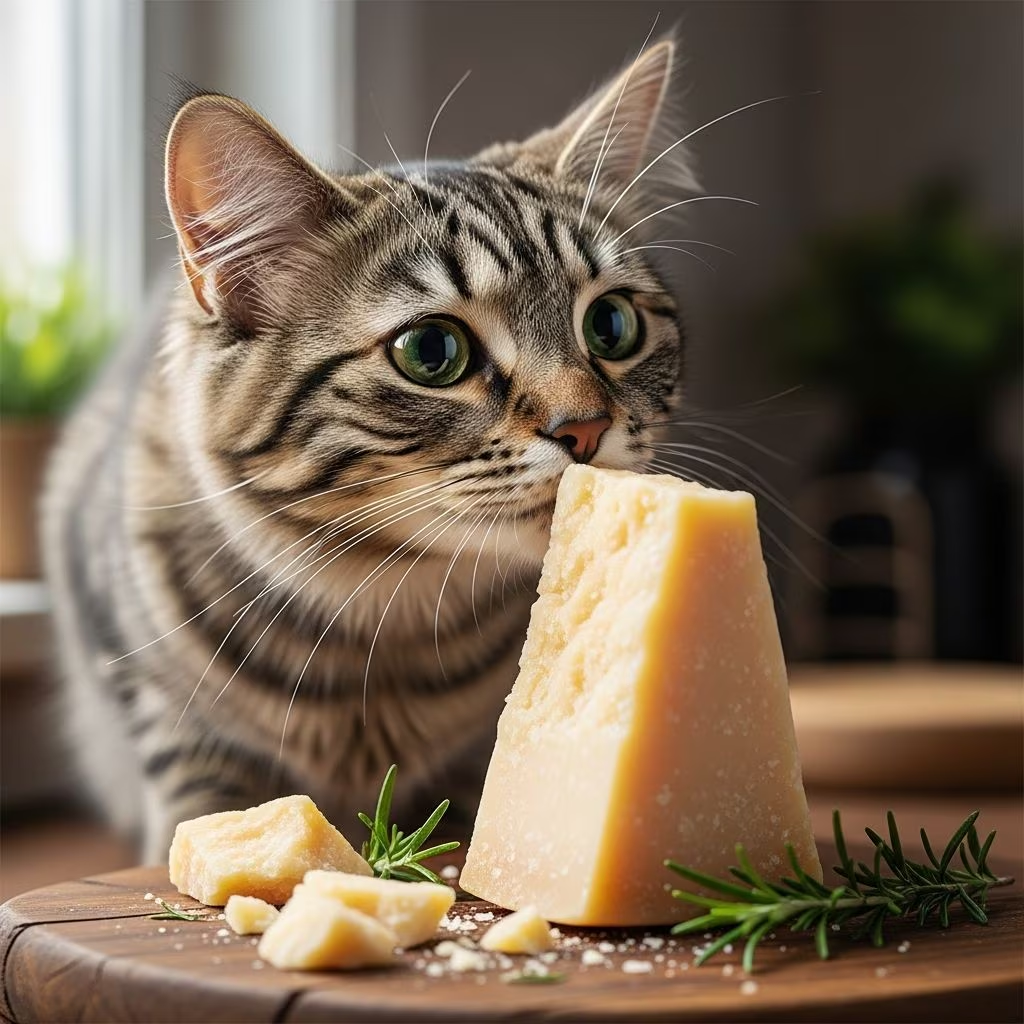
Cats are obligate carnivores, meaning their diet should primarily consist of animal-based proteins. Parmesan cheese, while tempting to share, poses several challenges due to its dairy nature. Although not toxic, it’s generally not recommended as a regular treat because most adult cats are lactose intolerant and struggle to digest it properly. This article breaks down the nutritional facts, risks, safer alternatives, and what to do if your cat sneaks a bite.
Is Parmesan Cheese Okay for Cats?
Parmesan is one of the better cheese options for cats compared to softer varieties because it is an aged, hard cheese with significantly lower lactose content. Lactose levels drop during the aging process as bacteria break it down, making it less likely to cause immediate gastrointestinal upset. However, even this lower lactose doesn’t make it ideal. Cats thrive on meat-based diets rich in taurine and specific amino acids that parmesan lacks. A tiny nibble occasionally might not harm, but it shouldn’t replace proper cat treats or food.
Nutritionally, parmesan offers protein and calcium, which can benefit cats in moderation. Yet, its high fat and sodium content outweigh these perks for regular feeding. According to USDA data referenced in veterinary discussions, one ounce (about 28 grams) contains roughly 7.88 grams of fat, 510 mg of sodium, and 119 calories—far too rich for a cat’s small daily caloric needs. Overfeeding could lead to weight gain or other health issues.
Reasons Why Cats Shouldn’t Eat Parmesan Cheese
While a small taste won’t likely poison your cat, several factors make parmesan a poor choice for frequent treats. Here’s a detailed look at the primary concerns:
1. They Cannot Digest It
Most adult cats lose the ability to produce sufficient lactase, the enzyme needed to break down lactose in dairy products, after weaning. This condition, known as lactose intolerance, affects up to 90% of cats. Undigested lactose ferments in the gut, leading to symptoms like diarrhea, vomiting, gas, bloating, and abdominal pain. Parmesan has less lactose than fresh cheeses, but even trace amounts can trigger issues in sensitive cats. Kittens may tolerate it better temporarily, but they’re not exempt from risks.
2. It’s High in Fat and Calories
Parmesan’s fat profile is a major red flag. The high saturated fat content can contribute to obesity, a common issue in cats that shortens lifespan and increases risks for diabetes, heart disease, arthritis, and certain cancers. Cats have efficient metabolisms tuned for lean proteins, not dense dairy fats. Regular indulgence disrupts this balance, potentially leading to hepatic lipidosis (fatty liver disease) in extreme cases.
- Obesity Risks: Excess calories from fat promote weight gain.
- Linked Diseases: Diabetes mellitus, cardiovascular issues, joint stress.
- Portion Impact: Even a few grams daily adds up quickly for a 10-pound cat needing only 200-250 calories.
3. High Sodium Content
With 510 mg of sodium per ounce, parmesan can strain a cat’s kidneys, especially in older cats or those with pre-existing conditions. Cats evolved on low-sodium, fresh meat diets; excess salt leads to increased thirst, dehydration, and potential hypertension over time.
4. Lacks Essential Nutrients
As obligate carnivores, cats require taurine for heart and eye health, arachidonic acid for skin and coat, and other meat-specific nutrients. Parmesan provides incomplete protein without these, making it nutritionally unbalanced.
Nutritional Breakdown of Parmesan Cheese
To illustrate why moderation is key, here’s a table comparing parmesan to a cat’s typical nutritional needs (per ounce serving):
| Nutrient | Parmesan (1 oz) | Cat Daily Need (avg. 10 lb cat) | Notes |
|---|---|---|---|
| Calories | 119 | 200-250 total | Nearly 50% of daily intake in one bite. |
| Fat | 7.88g | 5-10g total | High saturated fat risks obesity. |
| Sodium | 510mg | <50mg ideal | Excess strains kidneys. |
| Protein | 10g | 30-50g total | Incomplete for cats. |
| Calcium | 330mg | 200-400mg | Beneficial but not essential from cheese. |
| Lactose | Low (<1g) | 0g ideal | Still problematic for intolerant cats. |
This data underscores parmesan’s imbalance for feline diets.
What About Other Cheeses?
Not all cheeses are equal in lactose or risk levels. Aged, hard varieties are safer due to lower lactose:
- Safe(ish) Options: Cheddar, Swiss, Parmesan—low lactose, high protein.
- Avoid: Soft cheeses like mozzarella, cream cheese, brie (high lactose, more digestive upset).
- Toxic Varieties: Blue cheese (mold toxins like Penicillium), garlic/onion-flavored (toxic ingredients).
- Processed: Cheese-flavored chips/treats—high salt, additives, artificial flavors.
Even “safer” cheeses should be occasional, pea-sized treats at most.
What Do I Do If My Cat Ate Parmesan Cheese?
If your cat snags a small piece, monitor for 24-48 hours. Mild symptoms like loose stool or gas may resolve naturally. Offer plenty of fresh water to aid digestion and prevent dehydration. Withhold food briefly if vomiting occurs, then reintroduce bland cat food.
When to See a Vet:
- Persistent diarrhea/vomiting >24 hours.
- Lethargy, loss of appetite.
- Signs of dehydration (dry gums, sunken eyes).
- Large quantity ingested or pre-existing health issues.
Never induce vomiting at home; contact a vet or pet poison hotline immediately for guidance.
Healthier Alternatives to Cheese Treats
Skip dairy altogether and opt for cat-safe options:
- Commercial Treats: Low-calorie, grain-free with taurine.
- Plain Meat: Cooked chicken, turkey, fish (no seasoning).
- Veggies: Small bits of cucumber, steamed broccoli (low-cal fillers).
- Freeze-Dried Meats: Pure protein boosts without dairy risks.
These align with a cat’s carnivorous needs and avoid digestive pitfalls.
Final Thoughts
Parmesan isn’t toxic but isn’t suitable for regular cat consumption due to lactose intolerance, high fat, sodium, and nutritional gaps. Reserve it for rare, tiny tastes if your cat shows no reaction, but prioritize a balanced, meat-focused diet for optimal health. Consult your vet for personalized advice, especially for kittens, seniors, or cats with health conditions. Your feline friend will thank you with a longer, healthier life.
Frequently Asked Questions (FAQs)
Can kittens eat parmesan cheese?
Kittens produce more lactase than adults, tolerating small amounts better, but it’s still risky and not recommended due to fat and salt. Stick to kitten formula or meat.
Why do some cats seem to love cheese?
The fat and umami flavors appeal to their carnivorous tastes, but enjoyment doesn’t equal safety.
Is parmesan better than milk for cats?
Yes, lower lactose makes it less upsetting than milk, but both are poor choices.
Can cheese cause long-term damage?
Regular feeding risks obesity, kidney strain, and nutrient deficiencies.
How much parmesan is safe?
No set amount; pea-sized occasionally at most, and only if no adverse reactions.
References
- Can Cats Eat Parmesan? Vet-Approved Nutritional Facts & FAQ — Catster. 2023-10-15. https://www.catster.com/nutrition/can-cats-eat-parmesan/
- Can Cats Eat Parmesan Cheese? – Q and A — Cheese.com. 2024-05-20. https://www.cheese.com/q-and-a/can-cats-eat-parmesan-cheese/
- Can Cats Eat Cheese? Nutrition Facts You Need to Know — Michu. 2024-08-12. https://michu.com.au/blogs/news/can-cats-eat-cheese
- Can Cats Eat Cheese? Risks & Safe Feeding Tips — MichuPet. 2024-07-05. https://michupet.com/blogs/nutrition/can-cats-eat-cheese
- Can Cats Eat Cheese? — Chewy Education. 2023-11-28. https://www.chewy.com/education/cat/food-and-nutrition/nutrition-pet-diet-tips-can-cats-eat-cheese
- Can Cats Eat Cheese? — PetMD. 2024-02-14. https://www.petmd.com/cat/nutrition/can-cats-eat-cheese



