

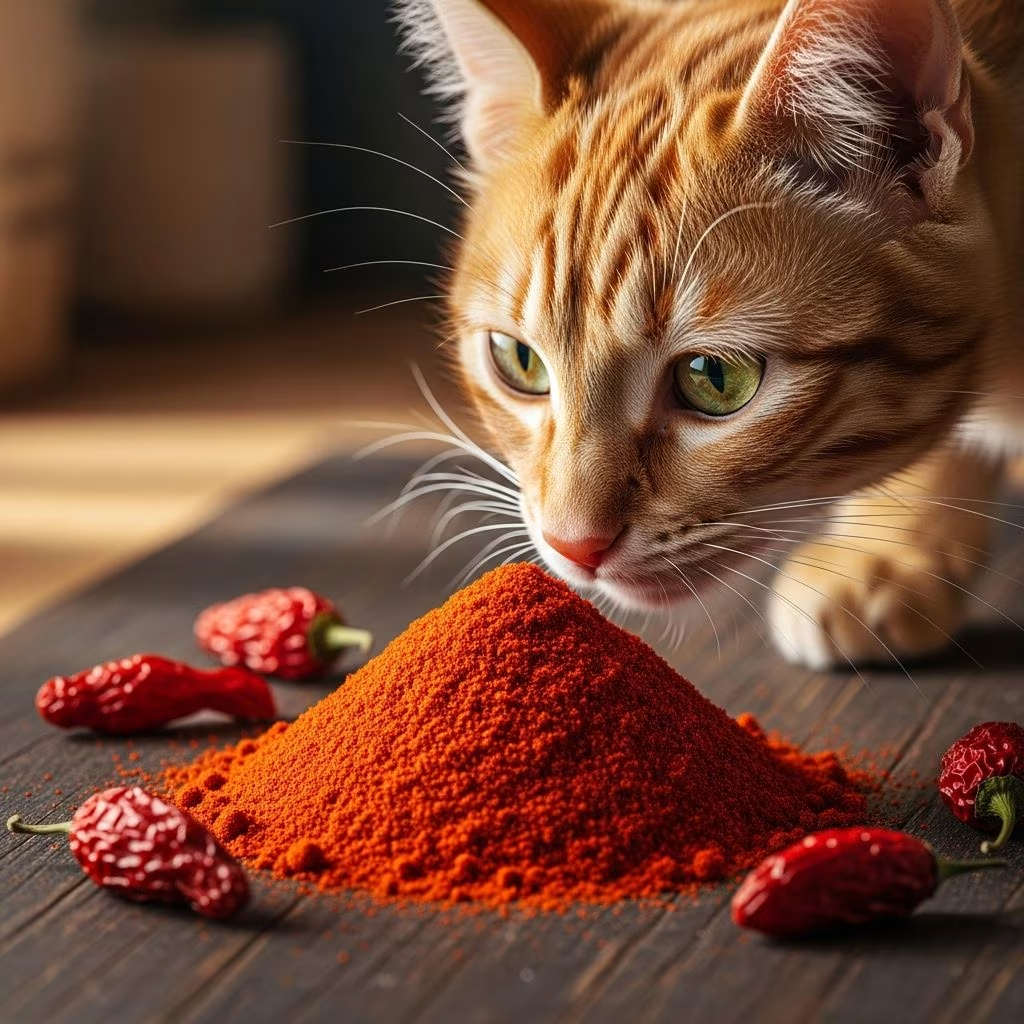
Paprika, a popular spice derived from ground peppers, adds flavor to many human dishes but poses risks for cats. While not highly toxic, its capsaicin content can irritate a cat’s mouth, digestive system, and airways, leading to discomfort or health issues. Cats are obligate carnivores with no nutritional need for spices, making paprika unnecessary and potentially harmful.
The Short Answer
No, cats should not eat paprika. Even mild varieties can cause gastrointestinal upset, drooling, or vomiting due to irritants like capsaicin. Hot paprika is especially dangerous, irritating the mouth and intestines. Safer to avoid entirely and stick to cat-specific foods.
What Is Paprika?
Paprika comes from the Capsicum annuum plant family, including sweet bell peppers, poblano, and chili varieties. It’s made by grinding dried peppers into a powder, ranging from sweet and mild to hot and spicy. Sweet paprika lacks strong capsaicin but still contains traces that may bother sensitive feline systems. Hot paprika has higher capsaicin levels, responsible for the burning sensation humans enjoy—but cats lack receptors for spice and often detest the smell.
For humans, paprika offers vitamins A, E, B6, antioxidants, and anti-inflammatory benefits. However, cats derive no value from it as plant-based foods don’t align with their meat-centric dietary needs. Gardeners even sprinkle paprika to repel cats, underscoring their natural aversion.
Can Cats Eat Paprika?
Cats cannot safely consume paprika in any form. The powder’s fine texture can irritate nasal passages if sniffed, and ingestion leads to oral burning, drooling, or pawing at the mouth. Even small amounts trigger vomiting or diarrhea by inflaming the stomach lining. Allergic reactions, though rare, may cause itching, swelling, or breathing difficulties.
- Sweet Paprika: Milder but still risky due to potential irritants; avoid as a precaution.
- Hot Paprika: Contains capsaicin, causing severe irritation similar to chili—definitely toxic in meaningful quantities.
- Smoked or Seasoned Varieties: Often include additives like salt or garlic, compounding dangers for cats.
Cats won’t seek it out; their 470 taste buds focus on proteins, not spices. Accidental exposure—from counter spills or seasoned foods—is the main concern.
Potential Health Risks of Paprika for Cats
Exposure to paprika disrupts a cat’s delicate digestive balance. Capsaicin acts as an irritant, mimicking mild poisoning effects without being fatal in tiny doses—but discomfort is guaranteed.
| Risk | Description | Severity |
|---|---|---|
| Oral Irritation | Drooling, pawing mouth, refusal to eat | Mild to Moderate |
| Gastrointestinal Upset | Vomiting, diarrhea, dehydration | Moderate |
| Allergic Reactions | Itching, facial swelling, respiratory distress | Severe—Vet Emergency |
| Long-Term Damage | Chronic gut inflammation from repeated exposure | Moderate to Severe |
Dehydration from diarrhea is a key secondary risk, especially in kittens or seniors. Long-term spice exposure erodes the intestinal lining, leading to ongoing issues.
Symptoms of Paprika Poisoning in Cats
Watch for these signs post-exposure; prompt action prevents escalation.
- Immediate (Minutes to Hours): Excessive drooling, mouth pawing, sneezing from powder inhalation.
- Digestive (Hours to Day): Vomiting (possibly bloody), watery diarrhea, loss of appetite, lethargy.
- Allergic (Variable): Hives, paw/face swelling, labored breathing—rush to vet.
- Delayed: Abdominal pain (hunched posture), dehydration (dry gums, sunken eyes).
If symptoms persist beyond 24 hours or worsen, contact a vet or pet poison hotline immediately. Most cases resolve with supportive care like fluids, but allergies demand steroids or antihistamines.
How to Prevent Paprika Poisoning in Cats
Proactive habits keep cats safe from kitchen hazards.
- Secure Storage: Keep spices in cat-proof cabinets or latched containers.
- No Table Scraps: Avoid feeding human foods; paprika hides in rubs, sauces, deviled eggs.
- Clean Thoroughly: Wipe counters, floors after cooking—cats lick surfaces.
- Educate Household: Inform family/guests: no “tasting” table foods for pets.
- Supervise Cooking: Distract curious cats during meal prep.
Use child-proof locks for pantries. Opt for vet-approved diets meeting AAFCO standards, where first ingredients are animal proteins.
Safe Alternatives to Paprika for Cats
Enhance meals without risks using these feline-friendly options.
- Plain Cooked Meats: Chicken, turkey, fish—boiled or baked, unseasoned (10% max of calories).
- Catnip/Catmint: Mild herbs for flavor and play stimulation; safe in moderation.
- Commercial Treats: Grain-free, low-calorie options formulated for nutrition.
- Veggies (Sparingly): Cooked plain pumpkin for fiber; avoid peppers entirely.
- Hydration Boosts: Wet food or fountains—no spice needed.
Always introduce new foods gradually; consult vets for dietary changes, especially for health conditions.
FAQ
Is paprika toxic to cats?
No, not lethally toxic, but capsaicin irritates the GI tract, causing vomiting/diarrhea. Avoid all types.
What if my cat ate paprika?
Monitor for drooling/vomiting. Offer water; call vet if symptoms appear or persist.
Can sweet paprika harm cats?
Less risky than hot, but powder can still irritate. Better safe than sorry.
Why do cats hate paprika smell?
Lack spice receptors; capsaicin scent repels them naturally.
Are there benefits to paprika for cats?
None—obligate carnivores get no value from plant spices.
Final Thoughts
Paprika enhances human cuisine but has no place in a cat’s diet. Its irritants outweigh any minor upsides, risking unnecessary vet visits. Prioritize complete cat foods with high-quality proteins, limit treats to 10% calories, and secure your kitchen. Vigilance ensures your cat thrives spice-free. When in doubt, consult your veterinarian for personalized advice.
References
- Can Cats Eat Paprika? Safety & Risks Explained — Zoorithm. 2023. https://www.zoorithm.com/cats/can-cat-eat-paprika
- Can Cats Eat Paprika? Vet-Verified Nutrition Facts & Safety Tips — Hepper. 2023. https://articles.hepper.com/can-cats-eat-paprika/
- Can Cats Eat Peppers? — TrustedHousesitters. 2023. https://www.trustedhousesitters.com/blog/pets/can-cats-eat-peppers/



