

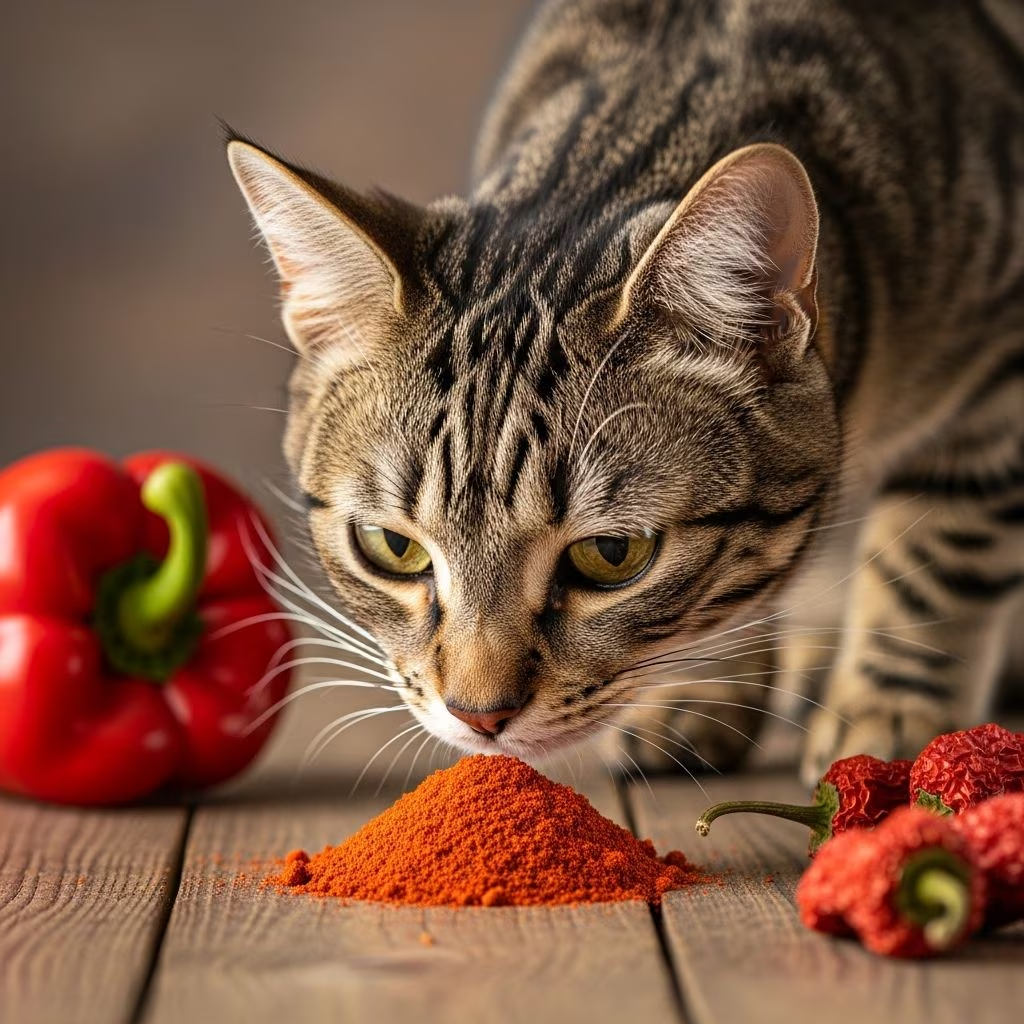
Paprika, a popular spice derived from ground peppers, adds vibrant color and flavor to human dishes but poses risks for cats. While not highly toxic, its capsaicin content can irritate a cat’s sensitive digestive system, leading to discomfort. Cats are obligate carnivores with no nutritional need for spices, making paprika unnecessary and potentially harmful.
The Short Answer
No, cats should not eat paprika. Even mild varieties can cause gastrointestinal upset, drooling, vomiting, or diarrhea due to irritants like capsaicin derivatives. Hot paprika is especially dangerous, irritating the mouth and gut. Safer to avoid entirely.
What Is Paprika?
Paprika comes from the Capsicum annuum plant family, including sweet bell peppers, poblano, and milder varieties ground into powder. It ranges from sweet and mild (smoked or Hungarian sweet) to hot (containing capsaicin, the compound in chili peppers responsible for heat and irritation).
For humans, paprika offers antioxidants, vitamins A, E, and B6, plus anti-inflammatory benefits. However, cats derive no value from it as they require animal-based proteins, not plant-derived spices. Their taste buds lack receptors for sweetness or spice, so they often reject it instinctively.
- Sweet Paprika: Made from mild peppers; lower capsaicin but still irritating in excess.
- Hot Paprika: Contains higher capsaicin levels, mimicking chili powder effects.
- Smoked Paprika: Adds flavor via smoking but retains pepper irritants.
Gardeners sometimes sprinkle paprika to repel cats due to its strong smell, underscoring felines’ natural aversion.
Can Cats Eat Paprika?
Absolutely not recommended. Even small amounts can trigger issues because cats’ digestive systems aren’t equipped for spices. Paprika lacks essential nutrients for cats and offers only risks. If a cat licks spilled paprika from a counter, monitor closely, but prevention is key.
| Type of Paprika | Safety for Cats | Reason |
|---|---|---|
| Sweet/Mild | Avoid | Mild irritants can still cause upset. |
| Hot/Spicy | Highly Unsafe | Capsaicin causes burning, vomiting. |
| Smoked | Avoid | Retains capsaicin; added smoke compounds. |
Potential Health Risks of Paprika for Cats
Paprika’s capsaicin irritates mucous membranes in the mouth, throat, stomach, and intestines. Cats may paw at their mouth, drool excessively, or refuse food immediately. Ingested amounts lead to nausea, vomiting, and diarrhea, risking dehydration.
Allergic reactions, though rare, include itching, facial swelling, or breathing difficulties. Repeated exposure could inflame the gut lining chronically. Similar to other spices like chili or black pepper, it causes inflammation without benefits.
- Oral Irritation: Burning sensation, drooling, pawing at mouth.
- Gastrointestinal Distress: Vomiting, diarrhea, abdominal pain.
- Dehydration: From fluid loss in vomit/diarrhea.
- Allergic Response: Hives, swelling, respiratory issues (emergency).
- Long-Term: Gut lining damage from chronic exposure.
Symptoms of Paprika Poisoning in Cats
Effects appear quickly, within minutes to hours. Mild cases resolve with removal and hydration, but severe ones need vet care. Watch for:
- Immediate: Excessive drooling, mouth pawing, head shaking.
- Digestive: Vomiting (once or repeated), watery diarrhea, loss of appetite.
- Behavioral: Lethargy, hiding, refusal to eat/drink.
- Severe: Difficulty breathing, swelling, unsteady gait—seek emergency vet.
If symptoms persist beyond 24 hours or worsen, contact a vet or pet poison hotline. Provide details on amount ingested and timing.
How to Prevent Paprika Poisoning in Cats
Curious cats jump counters and investigate kitchens. Proactive steps minimize risks:
- Store spices in cat-proof cabinets or sealed containers.
- Avoid table scraps with paprika-seasoned foods (e.g., deviled eggs, rubs).
- Clean spills immediately; wipe counters thoroughly.
- Educate household members: No sharing human food.
- Use pet gates during cooking to block kitchen access.
For deterrence, some use paprika in gardens, but indoors, focus on containment.
Safe Alternatives to Paprika for Cats
Cats don’t need spices for flavor. Stick to vet-approved diets with animal proteins as the first ingredient. Treats should be <10% of calories.
- Plain Cooked Meats: Chicken, turkey, fish—unseasoned, small pieces.
- Cat-Safe Herbs: Catnip, catmint for enrichment (mild appeal).
- Commercial Treats: Formulated for nutrition, no irritants.
- Veggies (Sparingly): Cooked pumpkin or carrots for fiber, not spice.
Always introduce new foods gradually and consult a vet, especially for cats with health issues.
What Seasonings Can Cats Have?
Minimal seasoning is best. Safe options include small amounts of parsley, basil, or dill, but most cats thrive on plain food. Avoid all peppers, garlic, onion, salt.
| Safe Herbs | Unsafe Spices |
|---|---|
| Catnip, Basil, Parsley | Paprika, Chili, Garlic |
| Dill (Tiny Amounts) | Onion Powder, Salt |
When to See a Vet
Call immediately if your cat shows severe symptoms post-exposure: repeated vomiting, bloody stool, breathing issues, or lethargy lasting hours. For mild cases, withhold food 12 hours, offer water, and monitor. Vets may recommend activated charcoal or fluids.
Online vet services like PangoVet offer quick advice without travel.
Frequently Asked Questions (FAQs)
Can cats eat paprika safely?
No, paprika irritates due to capsaicin, causing drooling, vomiting, and gut issues even in small amounts.
What are symptoms of paprika issues in cats?
Drooling, pawing mouth, vomiting, diarrhea, appetite loss, swelling, or breathing trouble.
How do I stop my cat from getting paprika?
Secure storage, clean spills, no table food, educate family.
Are there safe flavors for cat food?
Yes: plain meats, catnip, commercial treats. Avoid all spices.
Is sweet paprika okay for cats?
Still risky; better to avoid all types to prevent irritation.
What if my cat ate paprika?
Monitor for symptoms; vet if vomiting persists or severe signs appear.
References
- Can Cats Eat Paprika? Safety & Risks Explained — Zoorithm. 2023. https://www.zoorithm.com/cats/can-cat-eat-paprika
- Can Cats Eat Paprika? Vet-Verified Nutrition Facts & Safety Tips — Hepper. 2024. https://articles.hepper.com/can-cats-eat-paprika/
- Are Spicy Foods Bad For Cats? — Senior Cat Wellness (YouTube). 2020-07-20. https://www.youtube.com/watch?v=q0WkuDRkGz4



