

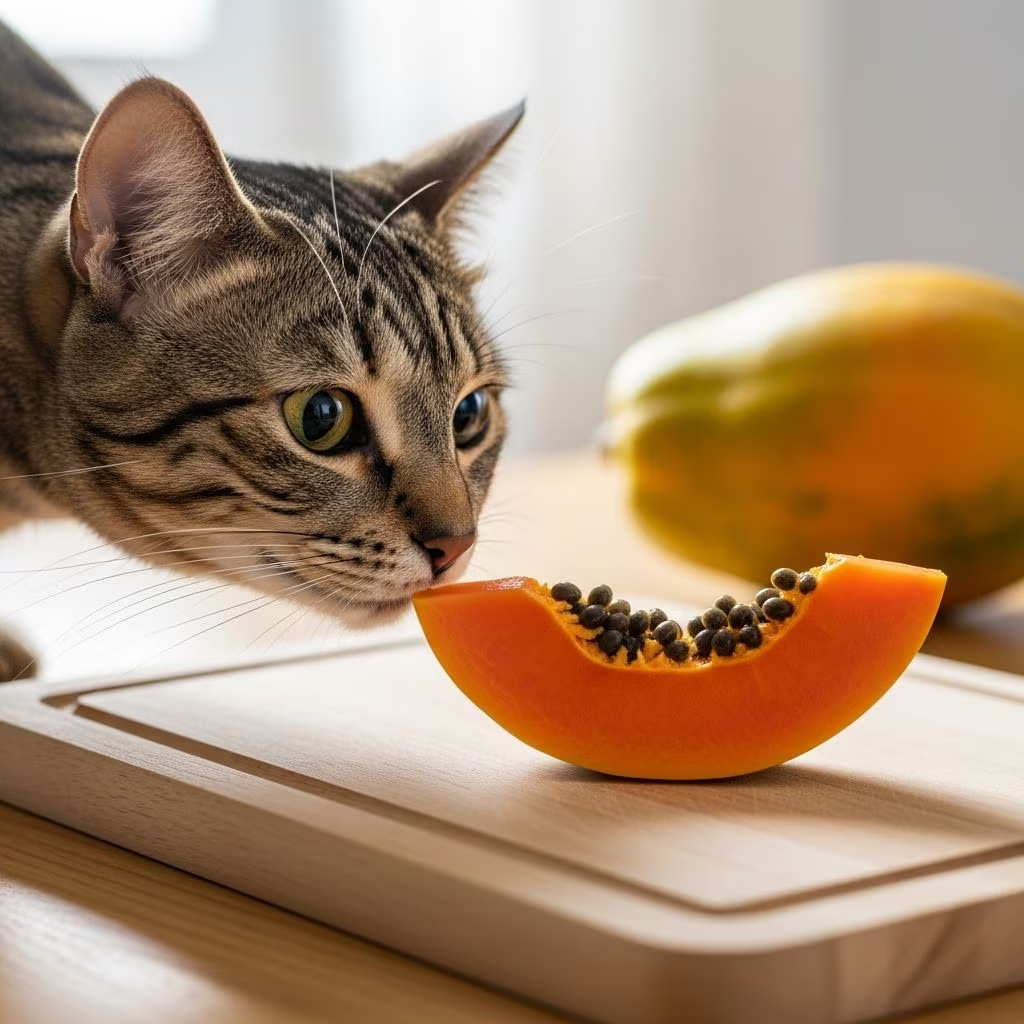
Papaya is not toxic to cats and can be offered in small amounts as an occasional treat. As obligate carnivores, cats derive primary nutrition from meat-based proteins, but a tiny piece of properly prepared papaya won’t harm them and may provide minor benefits like digestive enzymes and hydration.
The Short Answer
**Yes, cats can eat papaya safely in moderation.** This tropical fruit is non-toxic and listed as safe by veterinary sources, but it should not form a staple of their diet due to high sugar and fiber content that could lead to digestive issues if overfed.
What Is Papaya?
Papaya (Carica papaya) is a tropical fruit known for its sweet, orange flesh, black seeds, and green skin. Native to Central America, it grows on tree-like plants and is rich in water (about 88%), vitamins A, C, E, and the enzyme papain. For humans, it’s prized for digestion and immunity support, but cats process it differently due to their carnivorous biology.
Nutritionally, 100g of papaya provides roughly 43 calories, 0.3g protein, 0.3g fat, 11g carbs (including 7.8g sugars and 1.7g fiber), and key micronutrients. Cats, however, synthesize many vitamins internally and need taurine-rich animal proteins, making fruits supplementary at best.
Can Cats Eat Papaya?
Cats can eat the soft, ripe flesh of papaya in tiny portions. The ASPCA and Pet Poison Helpline confirm it’s non-toxic, unlike avocados or grapes. However, obligate carnivores like cats don’t require or naturally seek fruits; wild cats eat minimal plant matter incidentally from prey stomachs.
Start with a fingertip-sized piece (about 1/4 teaspoon) to test tolerance. Feed no more than 10% of daily calories from treats, equating to 5-10 calories max from papaya for an average 10lb cat.
Health Benefits of Papaya for Cats
While not essential, papaya offers mild perks when fed sparingly:
- Vitamin boost: Contains vitamins A (for vision and skin), C (antioxidant, though cats produce it), and E (immune support).
- Digestion aid: Papain enzyme breaks down proteins, potentially easing digestion and reducing hairball issues.
- Hydration helper: 88% water content aids fluid intake, useful in hot weather or for picky drinkers.
- Fiber for gut health: Soluble fiber promotes regular bowel movements in small doses.
- Antioxidants: May combat oxidative stress, though benefits are less pronounced in cats than humans.
Some commercial cat foods include papaya extract for its papain content, underscoring its digestive value.
Nutritional Value of Papaya
| Nutrient (per 100g) | Amount | Benefit for Cats |
|---|---|---|
| Calories | 43 kcal | Low-energy treat option |
| Water | 88g | Hydration support |
| Vitamin A | 950 IU | Skin/coat health |
| Vitamin C | 60.9mg | Minor antioxidant (cats self-produce) |
| Fiber | 1.7g | Digestion in moderation |
| Sugars | 7.8g | Energy, but risk for diabetes |
| Papain Enzyme | Present | Protein digestion aid |
This profile makes papaya a low-calorie treat, but excess carbs aren’t ideal for feline metabolism.
Risks and Dangers of Papaya for Cats
Papaya poses risks if mishandled or overfed:
- Digestive upset: High fiber/sugar can cause diarrhea, vomiting, or gas.
- Choking/blockage: Seeds are hard and indigestible; skin is tough.
- Allergies: Rare, but watch for itching, swelling, or breathing issues.
- Sugar overload: Natural sugars may contribute to obesity or diabetes in prone cats.
- Unripe papaya: Contains latex with concentrated papain that irritates the esophagus.
Pregnant/lactating cats or those with GI issues should avoid it to prevent enzyme imbalance.
How to Prepare Papaya for Cats
- Select ripe fruit: Choose soft, orange-fleshed papaya; avoid green/unripe ones.
- Wash thoroughly: Rinse under running water to remove pesticides.
- Peel and seed: Remove green skin and black seeds completely.
- Cut small pieces: Dice into tiny, soft bits (pea-sized).
- Serve plain: No additives, syrups, or cooking.
- Store safely: Refrigerate leftovers up to 3 days; freeze for longer.
Dried papaya is an option if unsweetened and seed-free, but fresh is preferable.
How Much Papaya Can You Give Your Cat?
Limit to 1-2 small pieces (1/4-1/2 tsp) 1-2 times weekly. For a 5kg cat (250kcal daily needs), treats max 25kcal; papaya fits under that. Monitor weight and stool; discontinue if issues arise.
Alternatives to Papaya for Cats
Safer fruit treats include:
- Blueberries: Antioxidants, low sugar.
- Watermelon: Hydrating (seedless rind removed).
- Cantaloupe: Vitamin A, similar enzymes.
- Pumpkin: Pureed for fiber/digestion.
Always prioritize vet-recommended complete foods.
FAQs
Is papaya toxic to cats?
No, ripe papaya flesh is non-toxic per ASPCA and vets.
Can kittens eat papaya?
Avoid for kittens under 6 months; their systems are sensitive.
Does papaya help cat digestion?
Papain may aid protein breakdown mildly.
What if my cat eats papaya seeds?
Monitor for vomiting/choking; see vet if symptoms persist.
Can diabetic cats eat papaya?
No, due to sugars; consult vet.
Conclusion
Papaya offers cats minor benefits like hydration and enzymes but isn’t nutritionally vital. Feed sparingly, prepared correctly, to avoid risks. Prioritize a balanced carnivore diet for thriving felines.
References
- Can Cats Eat Papaya? Safe Feeding Tips — Dial A Vet. 2023. https://www.dialavet.com/blog/can-cats-eat-papaya
- Can dogs or cats eat papaya? — ManyPets. 2023. https://manypets.com/us/pet-food-safety/can-my-pet-eat-papaya/
- Can Cats Eat Papaya? A Guide for Pet Parents — Spot Pet Insurance. 2023. https://spotpet.com/blog/cat-tips/can-cats-eat-papaya
- Can Cats Eat Papaya? — NextGen Paws. 2023. https://nextgenpaws.pet/blogs/news/can-cats-eat-papaya
- Can Cats Eat Papaya? Vet-Approved Nutritional Science & Info — Catster. 2023. https://www.catster.com/nutrition/can-cats-eat-papaya/



