

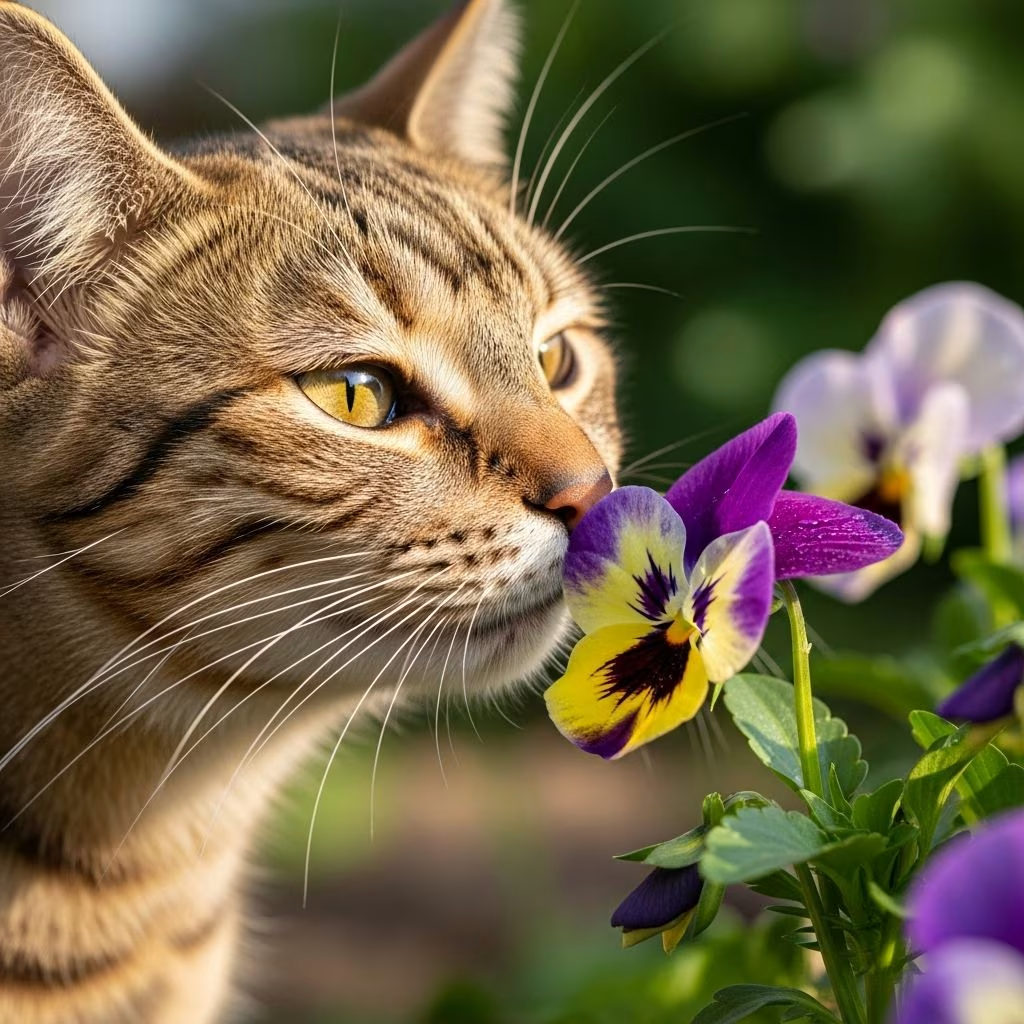
Can Cats Eat Pansies? A Comprehensive Safety Guide
As a cat owner, you naturally want to protect your feline companion from potential hazards in and around your home. If you enjoy gardening or keeping flowering plants indoors, it’s crucial to know which plants are safe for your curious cats. Pansies are among the most popular ornamental flowers found in gardens and homes, but many pet owners wonder whether these vibrant blooms pose any risk to their cats. This guide will help you understand the safety profile of pansies for cats, what to do if your cat ingests them, and how to create a safer environment for your furry friend.
Are Pansies Toxic to Cats?
Pansies are generally considered non-toxic to cats. The ASPCA does not list pansies (Viola tricolor var. hortensis) among plants that cause poisoning in cats, which is good news for pet owners who love these cheerful flowers. Unlike many common garden flowers such as lilies and oleander, which can cause serious harm, pansies do not contain compounds that are inherently toxic to felines.
However, it’s important to understand that “non-toxic” doesn’t necessarily mean “completely risk-free.” While pansies won’t poison your cat, consuming them can still lead to mild digestive upset in some cases. The distinction between toxic and non-toxic plants is significant, but cat owners should still exercise caution when pansies are accessible to their pets.
Understanding Your Cat’s Diet and Plant Consumption
To appreciate why pansies might cause digestive issues even though they’re not toxic, it helps to understand how cats digest plant material. Cats are obligate carnivores, meaning their bodies are designed primarily to consume and digest meat. In fact, a cat’s diet should consist of at least 80-85% meat products, and they cannot survive on a vegan or vegetarian diet.
Since cats’ digestive systems are optimized for processing animal proteins rather than plant material, consuming flowers or leaves can occasionally cause gastrointestinal upset. This reaction isn’t due to toxicity but rather to the mismatch between what cats are biologically designed to eat and what they’re consuming.
When selecting food for your cat, high-quality, commercially prepared cat food is the best option for most pet owners. Quality commercial cat food is formulated to provide the right balance of minerals, vitamins, and protein, with animal protein as the main ingredient. In the United States, ensure that any cat food you purchase is AAFCO-compliant, as this indicates it meets established nutritional standards.
What Are Pansies and Their Characteristics?
Pansies are members of the Viola genus and are known for their distinctive appearance with broad, velvety petals in a wide range of colors including purple, yellow, white, pink, and multicolored varieties. These popular ornamental flowers are actually edible for humans, and their petals are sometimes used as garnishes in culinary applications.
The flavor profile of pansies has been described as “green,” with petals that taste similar to mild and fresh lettuce, sometimes accompanied by a slight perfume flavor. Some pansy varieties contain a hint of wintergreen taste with occasional sweetness. While these characteristics make them interesting for human consumption, they don’t change the fact that they’re not nutritionally appropriate for cats.
Potential Symptoms of Pansy Ingestion in Cats
Although pansies are non-toxic, some cats may experience mild gastrointestinal symptoms if they chew on or consume the flowers or leaves. It’s important to monitor your cat closely if you suspect pansy ingestion. Potential symptoms include:
- Vomiting
- Diarrhea
- Drooling or hypersalivation
- Lethargy or decreased activity levels
- Loss of appetite
- Gastrointestinal tract irritation
- Mouth irritation or inflammation in cats with environmental allergies
These symptoms are typically mild and resolve on their own, but they indicate that your cat’s digestive system is irritated by the plant material. If your cat displays any of these signs, especially if they persist beyond 24 hours or worsen over time, veterinary consultation is warranted.
What to Do If Your Cat Eats Pansies
If you discover that your cat has eaten pansies, the appropriate response depends on whether your cat is showing symptoms:
If Your Cat Shows No Symptoms
If your cat nibbled on pansies but appears completely normal, there’s usually no need for immediate concern. Simply monitor your cat closely over the next 24 hours for any signs of digestive upset. In most cases, cats will be fine without any intervention.
If Your Cat Shows Symptoms
Take the following steps if you notice unusual behavior or signs of digestive upset:
- Remove any remaining plant material from your cat’s reach to prevent further ingestion
- Offer fresh water to help support normal digestive function
- Monitor your cat closely for the next 24 hours
- Contact your veterinarian if symptoms persist, worsen, or if your cat shows signs of distress
- Prioritize getting your cat veterinary care over bringing a sample of the plant, though a photo of the flower can aid in quick identification
Severe symptoms such as breathing difficulties, persistent vomiting, or unresponsiveness warrant immediate veterinary attention.
Why Cats Eat Plants
Understanding why cats are attracted to plants can help you prevent unwanted plant consumption. Cats often chew on plants for several reasons:
- Curiosity: Cats are naturally inquisitive and may investigate plants out of simple interest
- Boredom: Lack of stimulation can lead cats to seek entertainment through plant chewing
- Hairball management: Some cats consume plant material to help clear hairballs from their digestive system
- Nutritional seeking: Though rare, cats may occasionally seek plant material if they’re missing certain nutrients
Other Common Toxic Plants for Cats
While pansies are safe, many common household and garden plants pose serious risks to cats. Pet owners should be aware of and avoid the following plants:
- Lilies: Extremely toxic and can cause severe kidney damage
- Azaleas: Contain toxins that affect the gastrointestinal system
- Oleander: Highly toxic with multiple dangerous compounds
- Sago palm: Can cause liver damage
- Daffodils: Contain toxic bulbs and flowers
- Dieffenbachia: Causes mouth irritation and difficulty swallowing
Many of these toxic plants cause gastrointestinal signs in cats if ingested, including vomiting, loss of appetite, and depression. Always research plants before bringing them into your home or garden.
Preventing Plant-Related Issues in Cats
Even though pansies are non-toxic, it’s best practice to prevent your cat from chewing on any plants. Here are effective strategies to protect your feline friend:
Environmental Management
- Place all plants, especially toxic ones, in locations your cat cannot reach
- Keep pansies and other plants in rooms where your cat doesn’t have access
- Use high shelves or hanging planters to keep flowers away from curious cats
- Consider using plant stands or protective barriers
Providing Safe Alternatives
- Offer cat grass as a safe plant your cat can chew on freely
- Provide catnip for mental stimulation and enjoyment
- Grow cat-safe plants that your feline can interact with without risk
Behavioral Management
- Use deterrent sprays designed to discourage plant chewing
- Redirect your cat’s attention to appropriate toys when plant chewing behavior is observed
- Supervise outdoor time to limit access to unknown or potentially harmful plants
- Provide enrichment activities to combat boredom-related plant chewing
Creating a Cat-Friendly Garden
If you want to maintain a beautiful garden while keeping your cat safe, focus on growing cat-friendly flowers and plants. Rather than eliminating all plants from your garden, research safe alternatives that pose no risk to your feline companion. Many attractive flowers and ornamental plants are completely safe for cats to be around.
When designing your garden, consider creating designated areas where your cat can safely roam, separate from areas containing any potentially problematic plants. This approach allows you to enjoy gardening while protecting your pet’s health and wellbeing.
Frequently Asked Questions
Q: Can cats safely eat pansies?
A: Yes, pansies are non-toxic to cats, and eating small amounts usually causes no harm. Some cats might experience mild stomach upset, but serious poisoning is unlikely. Always monitor your cat after any plant ingestion and contact your vet if symptoms develop.
Q: What should I do if my cat eats a large amount of pansies?
A: If your cat consumes a large quantity of pansies, monitor closely for gastrointestinal symptoms such as vomiting or diarrhea. If your cat shows any signs of distress or if symptoms persist beyond 24 hours, contact your veterinarian immediately.
Q: Are all garden flowers safe for cats?
A: No, many common garden flowers are toxic to cats. Lilies, azaleas, oleander, daffodils, and other plants can cause serious harm. Always research plants before bringing them into your home or garden, and consult your vet if you’re uncertain about a particular plant.
Q: What symptoms indicate my cat has eaten a toxic plant?
A: Common signs of toxic plant ingestion include vomiting, diarrhea, drooling, lethargy, loss of appetite, tremors, irregular breathing, and unresponsiveness. If you observe any of these symptoms, contact your veterinarian immediately.
Q: Why do cats chew on plants?
A: Cats may chew on plants out of curiosity, boredom, or to help clear hairballs. Providing cat grass, catnip, and enriching toys can help redirect this behavior toward safer alternatives.
Q: Should I call my vet if my cat eats pansies?
A: If your cat shows no symptoms, you typically don’t need to contact your vet. However, contact your veterinarian if your cat displays vomiting, diarrhea, lethargy, or other unusual symptoms within 24 hours of pansy ingestion.
Q: What are the best cat-safe plants to keep at home?
A: Cat-safe plants include cat grass, spider plants, Boston ferns, and African violets. Always verify that any plant is safe before bringing it home, and monitor your cat’s interaction with them.
Conclusion
Pansies are not toxic to cats and generally safe to have around your feline friends. While mild digestive upset is possible if your cat chews on them, serious poisoning is unlikely given their non-toxic nature. However, this doesn’t mean you should allow unrestricted plant access—prevention remains the best strategy.
To protect your cat’s health and well-being, keep pansies and all other plants out of your cat’s reach when possible, provide safe alternatives like cat grass, and monitor your cat’s behavior around plants. If your cat does interact with pansies or any plant, observe them closely for 24 hours and contact your veterinarian if any concerning symptoms develop.
By taking these precautions and staying informed about which plants are safe and which are toxic, you can enjoy beautiful flowers in your home and garden while ensuring your beloved cat stays healthy, happy, and safe.
References
- Are Pansies Toxic to Cats? Safety Guide — Zoorithm. 2024. https://www.zoorithm.com/cats/are-pansies-toxic-to-cats
- Can Cats Eat Pansies? Vet-Reviewed Health & Safety Guide — Hepper. 2024. https://articles.hepper.com/can-cats-eat-pansies/
- Can Cats Get Sick If They Munch on Pansies? — Dial A Vet. 2024. https://www.dialavet.com/vet-answers/post/cat-eating-pansy-flowers-49468
- Factsheet – Cat-Friendly Flowers — Cat Protection Society of NSW. https://catprotection.org.au/cat-care-factsheets/factsheet-cat-friendly-flowers/
- Cat-Safe Plants Guide — Cats Protection. https://www.cats.org.uk/media/gb1jkhcr/cats_protection-safe-plants-guide.pdf



