

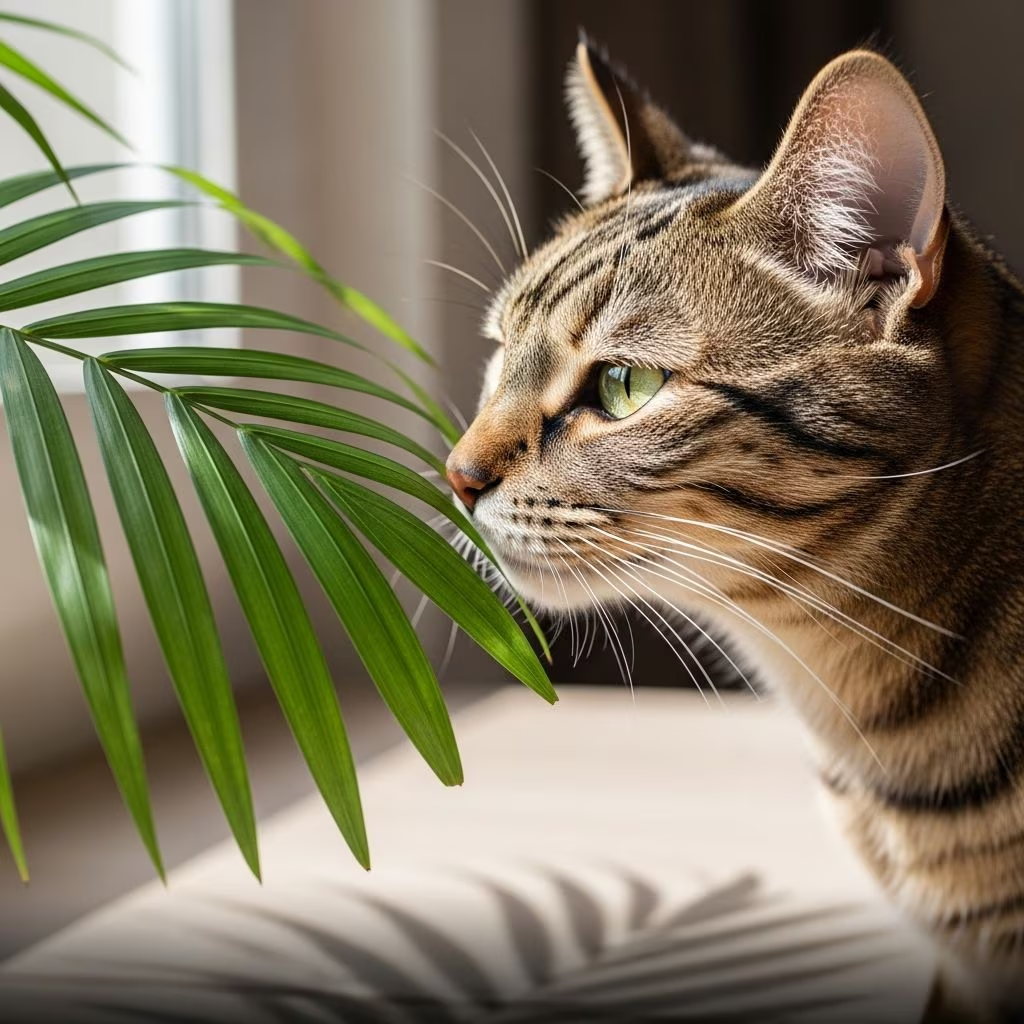
Can Cats Eat Palm Leaves? A Complete Guide to Palm Plant Safety
As a cat owner, you may wonder whether the decorative palm plants in your home pose any risk to your feline companion. The short answer is that most palm leaves are safe for cats, but some palm varieties are extremely toxic and can cause serious harm or even death. Understanding which palms are safe and which ones to avoid is crucial for maintaining a healthy environment for your pet.
Are Palm Leaves Safe for Cats?
The safety of palm leaves for cats depends entirely on the specific species of palm plant you have in your home. Common palm varieties like the Areca Palm, Kentia Palm, Majesty Palm, and Cat Palm are generally safe for cats. These plants may not offer significant nutritional benefits to your cat, but they won’t cause poisoning or serious health complications if your feline friend decides to chew on them.
However, not all palms are harmless. Some palm-like plants are extremely dangerous and should be avoided at all costs if you have cats in your household. The challenge for many cat owners is identifying which palm varieties are safe and which ones present a serious threat to their pets’ health.
Toxic Palm-Like Plants to Avoid
Sago Palm (Cycas revoluta)
The Sago Palm is the most dangerous palm-like plant for cats and should be avoided entirely. Despite its name, the sago palm is not a true palm tree, but it is commonly sold as a houseplant or garden decoration. This plant has become increasingly popular for indoor cultivation, making it more accessible to pet owners—and unfortunately, to their curious cats.
All parts of the sago palm contain cycasin, a highly toxic compound. The seeds are particularly dangerous and contain the highest concentration of this poison. Even a single ingestion of sago palm material can trigger severe poisoning in cats. According to veterinary experts, the survival rate for cats that consume sago palm is only 50 percent, even with immediate veterinary treatment.
Dracaena Plants
Another palm-like plant to avoid is the Dracaena. While these plants are hardy and easy to care for, they contain a chemical compound called saponin in their leaves. This toxin can cause various symptoms if ingested by cats, ranging from mild digestive upset to more serious complications. Like sago palms, dracaena plants should be kept out of reach or in areas where your cat cannot access them.
What Happens When Cats Eat Palm Leaves?
Many cat owners don’t realize their cats have eaten palm leaves until they notice symptoms of poisoning. If your cat has ingested palm leaves, the timing and severity of symptoms depend on whether the plant was toxic and how much your cat consumed.
Timeline of Symptoms
Symptoms of palm poisoning can appear in as little as 15 minutes after consumption, though they may not manifest for several hours. This unpredictable timeline makes it essential to monitor your cat closely if you suspect palm leaf ingestion.
Common Symptoms to Watch For
If your cat has eaten palm leaves, particularly from a toxic variety, watch for these warning signs:
- Vomiting or bloody vomit
- Diarrhea
- Drooling or excessive salivation
- Lethargy or unusual tiredness
- Loss of appetite
- Abdominal pain
- Excessive thirst
- Seizures (in severe cases)
Long-Term Complications
With toxic palms like the sago palm, symptoms can progress beyond the initial signs. Within 2-3 days of ingestion, cats may experience liver damage or central nervous system damage. Without prompt veterinary intervention, these complications can lead to liver failure and death.
Immediate Steps: What to Do If Your Cat Eats Palm Leaves
If you suspect your cat has ingested palm leaves, particularly from a toxic variety, seek veterinary treatment immediately. Do not wait to see if symptoms develop.
Emergency Response Protocol
- Contact Your Veterinarian Immediately: Call your vet or an emergency animal poison hotline right away. Provide them with as much information as possible about what your cat may have eaten.
- Bring Plant Identification: If possible, bring a sample or photo of the plant to help your vet identify the exact species and determine the appropriate treatment.
- Monitor Closely: Keep a careful watch on your cat’s behavior and report any changes to your veterinarian.
- Do Not Delay: Even if your cat seems fine, toxic ingestion can cause internal damage that isn’t immediately visible. Early veterinary intervention significantly improves survival rates.
Veterinary Treatment
When you bring your cat to the veterinary clinic, your vet will decontaminate your cat and provide treatment based on the specific toxin ingested. Treatment may include activated charcoal, IV fluids, medications to manage symptoms, and monitoring for liver or kidney damage.
Comparing Safe and Unsafe Palm Plants
| Palm Species | Toxicity Level | Safe for Cats? | Notes |
|---|---|---|---|
| Areca Palm | Non-toxic | Yes | Generally safe; no nutritional benefits |
| Kentia Palm | Non-toxic | Yes | Safe for cats |
| Majesty Palm | Non-toxic | Yes | Safe for cats |
| Cat Palm | Non-toxic | Yes | ASPCA-approved; safe for cats and dogs |
| Sago Palm | Extremely Toxic | No | Contains cycasin; 50% fatality rate with ingestion |
| Dracaena | Toxic | No | Contains saponin; causes digestive issues |
Prevention Strategies for Cat Owners
The best approach to protecting your cat from palm poisoning is prevention. Here are practical strategies to keep your feline friend safe:
- Avoid Toxic Varieties: The simplest solution is to not keep sago palms, dracaena, or other toxic palm-like plants in your home if you have cats.
- Strategic Placement: If you must keep non-toxic palms, place them in areas your cat cannot easily access, such as high shelves or separate rooms with closed doors.
- Provide Alternatives: Offer cat-safe plants like spider plants or cat grass to satisfy your cat’s natural desire to chew on vegetation.
- Supervise Indoor Plants: Keep a close eye on your cat’s interactions with any houseplants.
- Consider Artificial Options: Artificial palm plants provide the same visual appeal without any toxicity risk.
Artificial Palms: A Safe Alternative for Pet Owners
If you love the aesthetic appeal of palm plants but want to eliminate health risks, artificial palm plants are an excellent solution. These decorative plants offer several advantages for households with cats:
Benefits of Artificial Palms
- Non-Toxic Materials: Artificial plants are typically made from silk, plastic, and polyester—materials that do not present significant health risks if accidentally ingested.
- No Poisoning Risk: Unlike real palms, artificial varieties eliminate the worry of toxins completely.
- Low Maintenance: Artificial palms require no watering, pruning, or special care.
- Durability: These plants maintain their appearance indefinitely without wilting or browning.
- Aesthetic Appeal: Modern artificial plants are highly realistic and provide the same visual enhancement as real plants.
Creating a Cat-Safe Home Environment
Beyond choosing safe palm plants, creating a cat-safe home involves evaluating all your houseplants. Many common decorative plants are toxic to cats, including lilies, azaleas, and other varieties. Before bringing any plant into your home, research its safety for felines.
Consider maintaining a list of safe plants your cat can interact with and toxic plants to avoid. Organizations like the ASPCA provide comprehensive databases of toxic and non-toxic plants for pets.
Frequently Asked Questions
Q: Are all palms safe for cats?
A: No. While most common palm varieties like Areca, Kentia, Majesty, and Cat Palms are safe, some like the Sago Palm and Dracaena are extremely toxic. Always verify the specific species before bringing it home.
Q: What should I do if my cat eats sago palm leaves?
A: Contact your veterinarian or an emergency animal poison hotline immediately. Do not wait for symptoms to develop. The sago palm is one of the most toxic plants to cats, and early intervention is critical for survival.
Q: How quickly do symptoms appear after a cat eats toxic palm leaves?
A: Symptoms can appear in as little as 15 minutes, but may not manifest for several hours. This unpredictability makes immediate veterinary consultation essential if ingestion is suspected.
Q: Are cat palm plants safe for dogs too?
A: Yes, Cat Palms are safe for both cats and dogs. However, some toxic palms like the Sago Palm are even more dangerous for dogs than cats, with up to 50% of ingestion cases being fatal.
Q: What are the signs my cat has poisoning from palm plants?
A: Common signs include vomiting, diarrhea, drooling, lethargy, loss of appetite, and seizures. Within 2-3 days, cats may develop liver damage or nervous system damage.
Q: Can artificial palm plants be a good alternative?
A: Yes, artificial palm plants made from silk, plastic, and polyester are completely non-toxic and provide the same visual appeal without any health risks. They are an excellent option for cat owners who want palm plant aesthetics without safety concerns.
Conclusion
While most palm varieties are safe for cats, the existence of highly toxic species like the Sago Palm means cat owners must be vigilant about plant identification and placement. If you enjoy decorative palms in your home, stick with ASPCA-approved varieties or consider artificial alternatives. Should your cat ingest any suspicious plant material, seek immediate veterinary care—time is critical when dealing with potential plant poisoning. By making informed choices about which plants to keep in your home, you can create a beautiful, safe environment where your feline companion can thrive.
References
- Palm Leaves: Poisonous to Cats or Safe? — Artificial Plants Supplier. https://artificialplantssupplier.com/palm-leaves-poisonous-to-cats-or-safe/
- Pet Safety: Is Cat Palm Safe for Cats and Dogs? — Lively Root. https://www.livelyroot.com/blogs/plant-care/is-cat-palm-safe-for-cats-and-dogs
- Are Palm Leaves Poisonous to Cats — Artiplanto.com. https://www.artiplanto.com/blogs/news/are-palm-leaves-poisonous-to-cats
- Are Palms Poisonous to Cats? — Wekiva Foliage. https://www.wekivafoliage.com/blogs/plant-care/are-palms-poisonous-to-cats
- Sago Palm Poisoning in Cats — PetMD. https://www.petmd.com/cat/poisoning/sago-palm-poisoning-in-cats
- Plants Toxic To Cats — MEOW Cat Rescue. https://meowcatrescue.org/resources/emergency/plants-toxic-to-cats/



