

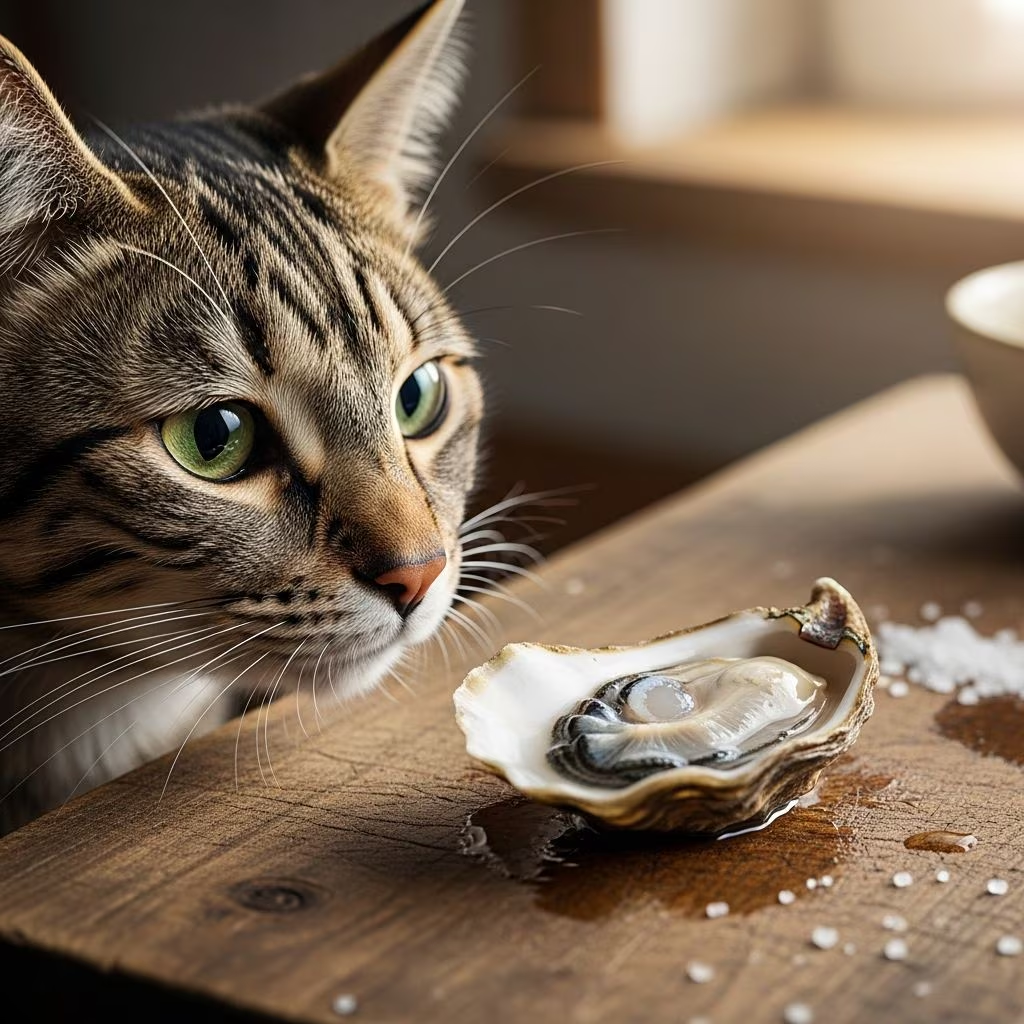
Cats are obligate carnivores with a natural affinity for protein-rich foods, and seafood often appeals to their senses due to its strong aroma. Oysters, a type of shellfish, spark curiosity among cat owners wondering if they can share this delicacy. While oysters offer certain nutritional perks, they come with significant risks that make them unsuitable as a regular treat. This article examines whether cats can eat oysters, delving into benefits, hazards, preparation methods, and expert veterinary guidance to help you make informed decisions for your feline friend’s health.
Quick Answer: Can Cats Eat Oysters?
In small, cooked amounts without seasonings, oysters can be given to cats occasionally, but they are not recommended due to potential health risks outweighing benefits. Raw oysters pose dangers from bacteria like Vibrio and thiamine-destroying enzymes, while processed varieties carry high sodium loads that can lead to salt toxicity. Veterinary experts advise sticking to commercial cat foods formulated for balanced nutrition rather than risky human foods like oysters.
Understanding Oysters and Feline Diets
Oysters are bivalve mollusks harvested from oceans and estuaries, prized for their briny flavor and nutrient density in human cuisine. For cats, whose diets should primarily consist of meat-based proteins, introducing shellfish requires caution. Cats lack the digestive adaptations to handle raw seafood efficiently, and their small body size amplifies risks from contaminants or excesses.
Commercially, oysters appear canned, smoked, fresh, or frozen. Each form presents unique challenges: fresh raw oysters risk bacterial contamination, canned ones often contain preservatives and salt, and smoked varieties add chemicals from the preservation process. A cat’s wild ancestors preyed on small land animals, not ocean shellfish, so oysters aren’t evolutionarily aligned with feline needs despite their protein content.
Nutritional Benefits of Oysters for Cats
Despite risks, plain oysters provide valuable nutrients that can support cat health in moderation. Here’s a breakdown:
- High-Quality Protein: Oysters deliver lean protein essential for muscle maintenance and energy in cats.
- Omega-3 Fatty Acids: These promote healthy skin, glossy coats, and reduced inflammation, benefiting cats with joint or allergy issues.
- Zinc and Iron: Zinc bolsters immune function, while iron aids oxygen transport, crucial for active felines.
- Low Calories and Fat: Ideal for weight management, with added minerals like manganese, copper, and calcium.
- Taurine Content: Some oyster products highlight taurine, vital for cat heart and eye health.
These benefits shine in fresh, unprocessed oysters fed sparingly. However, they don’t justify regular inclusion, as complete cat foods already provide these in safe ratios.
Potential Risks and Dangers of Feeding Oysters to Cats
The downsides of oysters for cats often eclipse benefits, particularly with improper preparation. Key hazards include:
- Bacterial Contamination: Raw oysters harbor Vibrio bacteria, causing vomiting, diarrhea, and severe gastrointestinal illness in cats.
- Thiamine Deficiency: Enzymes in raw oysters break down vitamin B1 (thiamine), risking neurological issues like seizures or weakness.
- High Sodium: Canned or smoked oysters lead to dehydration, excessive thirst, kidney strain, and salt poisoning.
- Choking Hazards: Shells, tough textures, or unremoved parts can obstruct airways or cause internal injuries.
- Allergies and Sensitivities: Shellfish allergies manifest as itching, swelling, respiratory distress, or digestive upset.
- Heavy Metals and Toxins: Oysters bioaccumulate pollutants like mercury, posing long-term risks.
| Risk Factor | Symptoms in Cats | Common Oyster Types |
|---|---|---|
| Bacteria (Vibrio) | Vomiting, diarrhea, lethargy | Raw/Fresh |
| Sodium Toxicity | Thirst, dehydration, tremors | Canned/Smoked |
| Thiamine Loss | Weakness, appetite loss | Raw |
| Allergies | Itching, swelling, breathing issues | All types |
Phosphorus in shellfish can exacerbate urinary or kidney problems in predisposed cats. These risks underscore why oysters aren’t ideal.
How to Safely Prepare Oysters for Cats (If You Must)
If determined to offer oysters, prioritize safety with these vet-recommended steps:
- Cook thoroughly (boil or steam) to eliminate bacteria and parasites.
- Remove all shells, beards, and inedible parts completely.
- Avoid seasonings, salt, butter, garlic, or oils toxic to cats.
- Start with tiny portions (pea-sized) to test tolerance.
- Limit to occasional treats, under 10% of diet.
Monitor for 24-48 hours post-feeding. Safer alternatives include cooked plain fish like salmon or vet-approved seafood treats.
Signs of Oyster-Related Illness in Cats
Watch for these symptoms after oyster consumption:
- Gastrointestinal: Vomiting, diarrhea, abdominal pain.
- Neurological: Lethargy, tremors, coordination loss (thiamine-related).
- Salt Toxicity: Excessive drinking/urination, weakness.
- Allergic: Facial swelling, hives, breathing difficulty.
Seek immediate veterinary care for any signs, providing details on oyster type and amount ingested.
Veterinary Advice on Seafood for Cats
Vets emphasize balanced commercial diets over human foods. Seafood treats should be minimal, with oysters avoided entirely for kittens, seniors, or cats with health issues (kidney disease, allergies). Consult your vet before trials, especially for personalized needs. Regular check-ups ensure nutritional adequacy without risks.
Alternatives to Oysters: Safer Seafood Treats for Cats
Opt for these low-risk options:
- Cooked salmon or whitefish (boneless, skinless).
- Freeze-dried shrimp or fish treats formulated for cats.
- Commercial seafood toppers with AAFCO approval.
These deliver omega-3s and protein sans oysters’ dangers.
Frequently Asked Questions (FAQs)
Can cats eat cooked oysters?
Cooked oysters are safer than raw, but offer only plain, small amounts without additives. Consult your vet first.
Are oysters toxic to cats?
Not inherently toxic, but raw ones risk bacteria and thiamine issues; processed types cause sodium problems.
What if my cat eats raw oysters?
Monitor for vomiting, diarrhea, lethargy; contact vet promptly for potential infection.
Why do cats love seafood?
Strong odors and high protein mimic prey; however, not all seafood suits their digestion.
Can kittens eat oysters?
No, avoid entirely due to immature digestive systems and higher sensitivity to toxins.
Are canned oysters okay for cats?
No, high sodium and preservatives pose toxicity risks.
References
- Can Cats Eat Oysters? Risks and Vet Advice — Dial a Vet. 2023. https://www.dialavet.com/blog/can-cats-eat-oysters
- Can Cats Eat Smoked Oysters? Safety & Tips — Zoorithm. 2023. https://www.zoorithm.com/cats/can-cat-eat-smoked-oyster
- Can cats eat fish, seafood and shellfish? — Bella+Duke. 2024. https://www.bellaandduke.com/cats/expert-advice/cat-nutrition/can-cats-eat-raw-fish/
- Can Cats Eat Oysters? Vet-Approved Nutritional Facts & FAQ — Hepper. 2023. https://articles.hepper.com/can-cats-eat-oysters/
- Oyster Cats — Oyster Cats. 2023. https://en.oystercats.com



