

Can Cats Eat Oreos? Vet-Approved Nutritional Facts
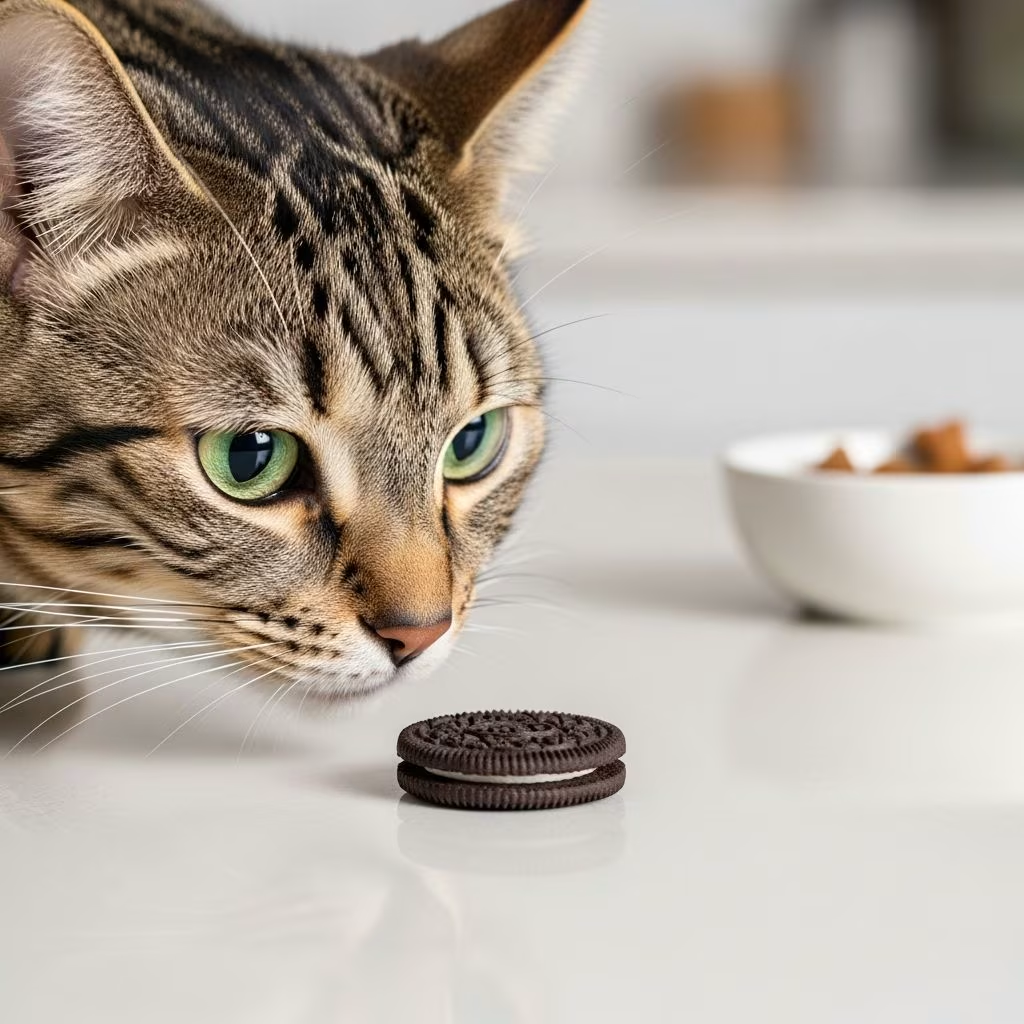
As a cat owner, you’ve probably experienced those irresistible big eyes staring at you while you enjoy your favorite snacks. When it comes to Oreos, the answer is clear: no, cats should not eat Oreos. While a single Oreo very likely won’t kill your cat, it can make them very sick. These popular chocolate sandwich cookies contain several ingredients that pose serious health risks to your feline companion. Understanding why these treats are dangerous is essential for keeping your cat safe and healthy.
Why Are Oreos Dangerous for Cats?
Oreos pose multiple health risks to cats due to their ingredient composition. The primary concern is the chocolate content, but there are additional problematic elements that pet owners need to understand.
Chocolate Toxicity in Oreos
One of the main components of Oreos is chocolate, which is highly toxic to cats and dogs. Oreo cookies contain cocoa powder, which comprises approximately 4.5% of each cookie. The dangerous compounds in cocoa are caffeine and theobromine, both of which can cause serious health complications in felines.
When your cat ingests these substances, several adverse effects can occur. Caffeine toxicity in cats can lead to gastrointestinal upset, including vomiting and diarrhea. Beyond digestive issues, these stimulants can raise your cat’s blood pressure and trigger dangerous cardiac arrhythmias. Additionally, you may notice an increase in the amount of urine your cat produces for several hours after consuming caffeine-containing products.
The severity of chocolate toxicity depends on multiple factors including the type of chocolate, the amount consumed, your cat’s age, weight, and overall health status. Dark and baking chocolates contain the highest concentrations of theobromine, but even the small amount found in Oreos can be harmful, particularly for smaller cats or kittens.
The Cream Filling Problem
While many assume the cream filling in Oreos is safe, this assumption is incorrect. The cream in Oreos may seem less threatening than chocolate, but it presents its own set of health concerns. Cats are obligate carnivores, meaning their digestive systems are designed to process animal proteins, not sugary, processed foods.
The cream filling is problematic for several reasons:
- High sugar content can lead to obesity and diabetes over time
- Artificial ingredients and preservatives may upset your cat’s stomach
- Some cats are lactose intolerant, making dairy-based fillings particularly risky
- The lack of nutritional value offers no benefit to your cat’s health
While a single lick of cream may not cause immediate harm, regular exposure to sugary, processed foods can contribute to long-term health issues including weight gain, metabolic disorders, and nutritional deficiencies.
Lack of Nutritional Value
Beyond the toxic ingredients, Oreos provide absolutely no nutritional benefit to cats. Cats require specific nutrients like taurine, which is an essential amino acid found only in animal-based proteins. Oreos contain none of the nutrients your cat needs to thrive, making them a completely inappropriate treat option.
Health Risks and Symptoms of Oreo Consumption
Understanding the potential symptoms that may develop after Oreo consumption is crucial for early intervention and proper veterinary care.
Immediate Symptoms to Watch For
If your cat accidentally consumes Oreos, several symptoms may appear within a few hours of ingestion. Be alert for the following warning signs:
- Vomiting or diarrhea
- Gastrointestinal upset and abdominal pain
- Increased heart rate or cardiac arrhythmias
- Hyperactivity or restlessness
- Increased thirst or urination
- Lethargy or lack of appetite
- Rapid breathing or panting
- Tremors or seizures (in severe cases)
- Potentially fatal heart complications (with large amounts)
The severity and onset of symptoms depend largely on how much your cat consumed and their individual tolerance level. Smaller cats and kittens are at higher risk for severe reactions even with minimal consumption.
Severity Based on Amount Consumed
The quantity of Oreos your cat ingests makes a significant difference in the severity of potential symptoms. If your cat only gets a bite or two of an Oreo cookie, the risk of serious toxicity is relatively low compared to consuming whole cookies. However, if your cat consumes a whole Oreo cookie, they are likely to experience some mild to moderate symptoms of gastroenteritis.
If your cat consumes more than one Oreo cookie, a veterinary visit is strongly recommended for proper assessment, treatment, and monitoring to ensure your cat does not progress to experiencing serious symptoms.
What to Do If Your Cat Eats Oreos
If you suspect your cat has eaten Oreos, it’s important to take immediate action to protect their health.
Immediate Steps
Follow these action steps if your cat ingests Oreos:
- Remove any remaining cookies or crumbs from your cat’s reach immediately
- Note the time of consumption and approximate amount eaten
- Monitor your cat closely for any signs of chocolate toxicity or digestive distress
- Contact your veterinarian or an emergency pet poison hotline for professional guidance
- Have information ready about your cat’s weight, age, and health status
When to Call the Vet
For a couple of bites of an Oreo, it’s a good idea to closely monitor for any signs of stomach upset or increased urination. However, if you notice any additional symptoms or the symptoms you’re observing are severe, you should have your cat checked out by a veterinarian immediately.
When in doubt, contact the pet poison hotline for guidance. Your veterinarian may ask for details about your cat’s weight, how much they ate, and when they ate it. In some cases, they may recommend bringing your cat in for treatment, which could include activated charcoal to prevent further absorption of toxic compounds or IV fluids to manage dehydration and toxicity.
Safe Alternatives to Oreos for Cats
Instead of offering Oreos or other human desserts, provide your cat with treats specifically formulated for feline nutrition. Cat-approved treats are designed with their unique dietary requirements in mind and offer nutritional value without health risks. Options include commercially available cat treats, small pieces of cooked chicken, or treats containing essential nutrients like taurine.
Your cat will be healthier and happier with treats appropriate for their species. Making smart choices about what you feed your feline friend demonstrates genuine care for their wellbeing.
Frequently Asked Questions
Q: Can a single Oreo kill my cat?
A: While a single Oreo very likely won’t kill your cat, it can make them very sick. The severity depends on your cat’s size, age, and health status. Always monitor closely and contact a vet if symptoms develop.
Q: What types of chocolate are most dangerous for cats?
A: Dark chocolate and baking chocolate contain the highest concentrations of theobromine and are most dangerous. However, all types of chocolate—including milk, dark, and white chocolate—are toxic to cats in varying degrees.
Q: What if my cat only ate the cream filling from an Oreo?
A: The cream filling is less toxic than the chocolate cookie part, but it’s still unhealthy. Monitor your cat for signs of an upset stomach such as vomiting or diarrhea, and avoid giving them sugary foods in the future.
Q: How much chocolate is toxic to a cat?
A: Even small amounts of chocolate can be harmful to cats, depending on the cat’s size and the type of chocolate consumed. Always err on the side of caution and consult your veterinarian if your cat eats any chocolate product.
Q: Can I give my cat human desserts in moderation?
A: No, it’s best to avoid human desserts altogether. Cats have unique dietary needs, and sugary, processed foods can lead to serious health problems over time, including obesity and diabetes.
Q: What should I do if my cat shows symptoms of chocolate poisoning?
A: Contact your veterinarian or a pet poison hotline immediately. Early intervention can make a significant difference in your cat’s recovery and may prevent serious complications.
Q: Are there any safe chocolate treats for cats?
A: No chocolate products are safe for cats. If you want to treat your cat, choose cat-specific treats or small pieces of cooked chicken instead.
Key Takeaways
Oreo cookies are not safe for cats and should never be intentionally offered to your feline friend, even in small quantities. The chocolate content poses serious health risks, and the cream filling and high sugar content create additional concerns. Many factors can impact how much theobromine and caffeine your cat can safely tolerate, including your cat’s age, weight, and health status, making it impossible to determine a truly safe amount.
It’s best to avoid Oreos and other human desserts altogether, providing your cat only with treats that are safe, appropriate, and specifically formulated for feline nutrition. Your cat depends on you to make informed decisions about their diet, and choosing appropriate treats is one of the most important ways you can support their long-term health and wellbeing.
References
- Can Cats Eat Oreos? Nutritional Facts & Safety Tips — Hepper. https://articles.hepper.com/can-cats-eat-oreos/
- Can Cats Eat Oreos Double Stuf? Cream and Chocolate Risks — Dial a Vet. https://www.dialavet.com/blog/can-cats-eat-oreos-double-stuf
- Can Cats Eat Cookies? — Taylor Chip. https://taylorchip.com/blogs/news/can-cats-eat-cookies
- Can Cats Eat Oreos? Vet-Approved Nutritional Facts — Catster. https://www.catster.com/nutrition/can-cats-eat-oreos/



