

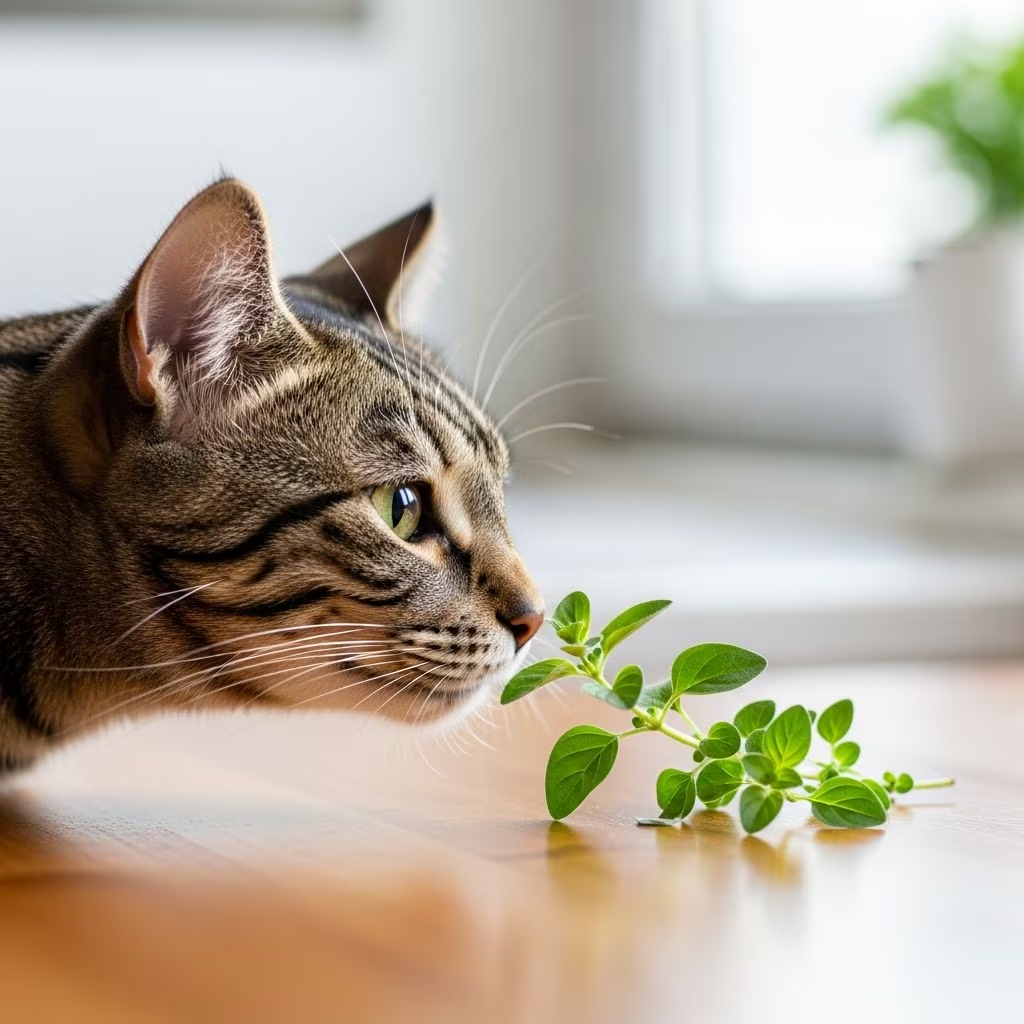
Oregano is a popular herb in human cuisine, prized for its robust flavor and aroma, but it poses significant risks to cats. All forms of oregano—fresh, dried, or as essential oil—are toxic to felines due to compounds like phenols and terpenoids that cats cannot metabolize effectively. Cats lack the necessary liver enzymes, such as glucuronyl transferase, to process these substances, leading to potential gastrointestinal upset, irritation, and in severe cases, liver damage or death. This comprehensive guide explores the dangers, symptoms, treatment options, and safer alternatives to keep your cat healthy.
The Dangers of Oregano for Cats
Oregano contains essential oils rich in thymol, carvacrol, phenols, and terpenoids, which are beneficial for humans but harmful to cats. These compounds irritate the digestive tract, skin, and respiratory system in felines. According to the ASPCA, oregano is listed as toxic to cats, primarily causing mild gastrointestinal issues like vomiting and diarrhea, though concentrated forms amplify the risks. Unlike dogs or humans, cats’ unique metabolism makes them particularly vulnerable, as their livers cannot efficiently break down these plant chemicals.
Even small amounts can trigger reactions because cats are obligate carnivores with limited ability to handle plant-based toxins. Ingesting oregano may lead to immediate discomfort, while repeated or high-dose exposure, especially oils, can result in systemic toxicity affecting the liver and central nervous system.
Is Oregano Safe for Cats?
No, oregano is not safe for cats in any form. Whether fresh leaves from your garden, dried flakes in seasoning, or cooked into food, it can cause health issues. The ASPCA confirms oregano’s toxicity, noting gastrointestinal irritants as the primary concern. Pet owners sometimes mistakenly offer it believing in its antimicrobial properties for humans, but this overlooks feline physiology.
- Fresh oregano: Causes nausea and diarrhea as toxins are excreted.
- Dried oregano: Equally toxic, often more concentrated.
- Cooked oregano: Retains harmful oils despite heat processing.
Can Oregano Kill Cats?
While small nibbles of oregano plant material typically cause only mild upset, oregano essential oil can be fatal. In severe poisoning cases, symptoms escalate from vomiting and diarrhea to difficulty breathing, ataxia (unsteady gait), liver failure, and collapse. Veterinary sources report that concentrated oils lead to permanent liver damage requiring lifelong management. Prompt intervention is critical, as delaying treatment increases mortality risk.
Is Fresh Oregano Safe for Cats?
Fresh oregano is not safe, though reactions to small amounts are usually limited to mild nausea, vomiting, and diarrhea. Cats may be drawn to growing herbs in gardens or pots, but even a few leaves can irritate their stomach lining due to undigested phenols. Monitor closely and prevent access, as repeated exposure worsens outcomes.
Is Dried Oregano Safe for Cats?
Dried oregano is just as dangerous as fresh, concentrating the toxic essential oils. Sprinkled on food or in rubs, it can cause gastrointestinal distress. Avoid using it in home-cooked meals for cats or leaving spice jars accessible.
Is Oregano Oil Toxic for Cats?
Oregano essential oil is the most hazardous form, highly concentrated with phenols and terpenoids that overwhelm a cat’s liver. Often misused as a natural antibiotic, it causes severe reactions including oral/skin irritation, respiratory distress, and organ failure. Never apply topically, diffuse, or ingest—even diluted amounts are risky.
What Are the Signs of Oregano Poisoning in Cats?
Symptoms vary by exposure amount and form but require immediate attention. Common signs include:
- Vomiting and diarrhea
- Excessive drooling and oral irritation
- Loss of appetite and lethargy
- Abdominal pain, bloating, and flatulence
- Shallow or difficult breathing
- Skin irritation (if topical)
- Ataxia, collapse, or seizures (severe oil ingestion)
- Liver damage indicators like jaundice (prolonged exposure)
Mild cases from plant material resolve in 1-2 days with monitoring, but oil poisoning demands veterinary care.
What to Do If Your Cat Eats Oregano
Act quickly if you suspect ingestion:
- Remove access: Clear all oregano sources.
- Assess symptoms: Note amount, time, and signs.
- Contact professionals: Call your vet, ASPCA Poison Control (888-426-4435), or Pet Poison Helpline immediately.
- Do not induce vomiting: Unless instructed by a vet.
- Seek treatment: Vets may provide fluids, anti-nausea meds, or diagnostics like bloodwork for liver function.
For mild cases, withhold food briefly and ensure hydration; severe ones may need hospitalization.
How to Prevent Oregano Poisoning
Proactive steps safeguard your cat:
- Store herbs, spices, and oils securely.
- Plant cat-safe gardens; avoid oregano.
- Use pet-proof counters during cooking.
- Educate household on risks.
- Opt for vet-approved supplements over herbs.
Benefits of Oregano for Humans (Not Cats)
Oregano’s antioxidants, antimicrobials like carvacrol, aid human immunity and digestion. However, these benefits do not translate to cats due to metabolic differences.
Safe Herbs and Alternatives for Cats
Choose these vet-approved options:
| Herb | Benefits | Usage Tips |
|---|---|---|
| Catnip | Stimulates play, relieves stress | Fresh/dried toys, sprinkles |
| Cat Grass | Aids digestion, prevents hairballs | Grow indoors |
| Parsley (small amounts) | Freshens breath | Chopped in food |
| Basil | Mild calming effect | Fresh leaves occasionally |
| Valerian Root | Relaxation | Under vet guidance |
Avoid allium family (onions, garlic) and other toxics like chives.
Nutritional Facts: Oregano vs. Cat Diet Needs
Cats require taurine-rich meat-based diets; herbs like oregano offer no nutritional value and introduce risks. Commercial cat foods meet needs without unsafe additives.
Frequently Asked Questions (FAQs)
Can cats eat oregano in food?
No, even trace amounts in seasoned meals can cause upset. Stick to plain, vet-formulated diets.
Is oregano oil safe topically for cats?
Absolutely not—causes burns, absorption leads to systemic toxicity.
What if my cat smells oregano?
Brief smelling is usually fine, but avoid diffusers or strong concentrations to prevent inhalation irritation.
How much oregano is toxic?
Small amounts cause mild issues; oils in drops can be lethal. Individual sensitivity varies.
Are there oregano supplements for cats?
No safe ones exist; consult vets for alternatives.
Conclusion
Keep oregano far from cats to avoid preventable poisoning. Prioritize safe nutrition and vigilance for a thriving feline companion. When in doubt, consult your veterinarian.
References
- Oregano – Toxic and Non-toxic Plants — ASPCA. 2023-01-01. https://www.aspca.org/pet-care/aspca-poison-control/toxic-and-non-toxic-plants/oregano
- Can Cats Eat Oregano? Nutritional Facts & Safety Tips — Hepper. 2024-05-15. https://articles.hepper.com/can-cats-eat-oregano/
- Can Cats Eat Oregano? Risks and Vet Advice — Dial a Vet. 2024-08-20. https://www.dialavet.com/blog/can-cats-eat-oregano
- Oregano Poisoning in Cats – Symptoms, Causes, Diagnosis — WagWalking. 2023-11-10. https://wagwalking.com/cat/condition/oregano-poisoning
- Can Cats Eat Oregano? Vet-Verified Facts — Huston Veterinary Clinic. 2024-03-05. https://hustonveterinary.com/can-cats-eat-oregano/
- 14 Herbs Safe for Cats – and 9 To Avoid — Whisker. 2024-07-12. https://www.whisker.com/blog/14-herbs-safe-for-cats



