

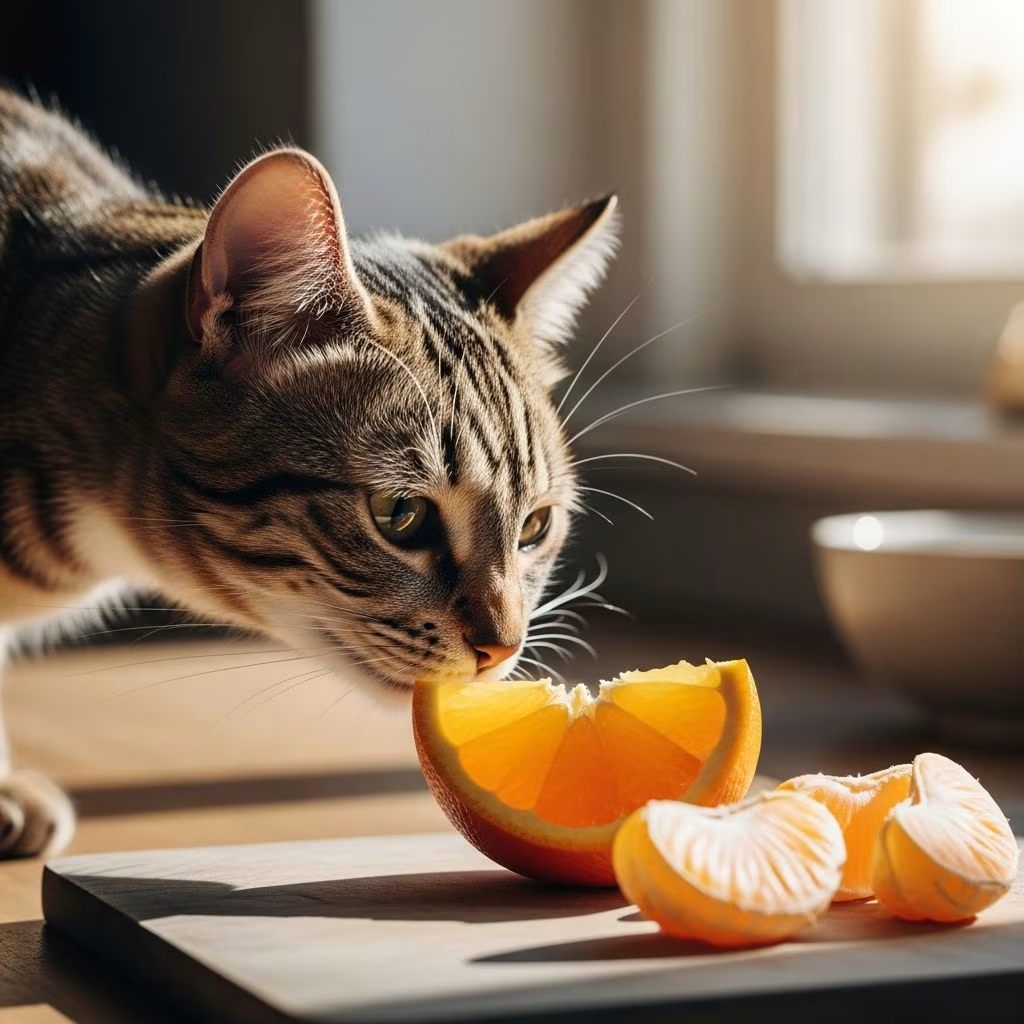
Can Cats Eat Oranges?
As a cat owner, you may wonder if it’s safe to share your favorite snacks with your feline companion. When it comes to oranges, the answer is a definitive no. Oranges and other citrus fruits contain essential oils and compounds that can be harmful to cats, making them unsuitable for your pet’s diet. Unlike humans, cats are obligate carnivores with digestive systems built specifically for processing meat, not fruits. Understanding why oranges are dangerous for cats is crucial for protecting your pet’s health and well-being.
Why Are Oranges Unsafe for Cats?
There are several key reasons why oranges pose a significant risk to feline health. These reasons involve toxic compounds, physical hazards, and the high acidity content that can overwhelm a cat’s sensitive digestive system.
Toxic Compounds in Oranges
Oranges contain essential oils and various chemical compounds that are particularly toxic to cats. The primary toxic compounds found in oranges are limonene and linalool. These essential oils are what give oranges their characteristic citrusy aroma, but they’re highly toxic when ingested by felines. Cats lack the liver enzymes necessary to properly metabolize these compounds, causing them to accumulate in the body and create serious health problems.
These essential oils can affect a cat’s central nervous system, potentially causing mood swings, trembling, and in severe cases, seizures. The compounds can also cause acute dermatitis and skin inflammations when cats come into contact with them, particularly in allergy-prone breeds such as Bengal and Siamese cats. Even touching the oils can cause problems for sensitive felines.
Peel, Seeds, and Photosensitivity
The peel and seeds of oranges contain chemicals called psoralens and furocoumarins. These compounds are particularly dangerous because they induce photosensitivity in cats. When exposed to sunlight, these chemicals can cause significant skin sensitivity, leading to redness, irritation, and painful blisters after your cat spends time outdoors. The damage isn’t limited to surface-level irritation—these compounds fundamentally alter how your cat’s skin responds to UV radiation.
Additionally, the physical texture of orange peel poses a choking hazard and can cause gastrointestinal blockages. The indigestible peel can become lodged in your cat’s throat or intestinal tract, creating an obstruction that could be fatal without prompt veterinary intervention. This is why any orange consumption, particularly the peel, requires immediate veterinary attention.
High Acidity Content
Oranges contain citric acid, which makes up approximately 11% of the fruit. Cats are extremely sensitive to acidic foods, and citric acid can cause immediate gastrointestinal upset. This high acidity leads to discomfort, diarrhea, vomiting, and general digestive distress. Even small amounts of orange juice or flesh can trigger these symptoms, particularly in cats with pre-existing digestive sensitivities or disorders.
Understanding Citrus Toxicity in Cats
Veterinary toxicologists confirm that there is no safe threshold for citrus consumption in cats. Unlike some toxins where small amounts might be tolerable, even tiny quantities of orange peel, juice, or flesh can trigger toxic reactions. This means you cannot safely give your cat even a small slice of orange as an occasional treat.
The concentration of harmful compounds varies by orange part. While the flesh contains lower concentrations of toxic oils, the peel contains the highest levels of d-limonene and other harmful substances. Whole oranges, orange-scented products, and items containing orange oils should all be kept completely away from your feline companion.
Symptoms of Orange or Citrus Poisoning in Cats
If your cat has ingested orange or other citrus fruits, watch for these warning signs:
| Symptom Category | Specific Symptoms | Severity |
|---|---|---|
| Digestive Symptoms | Vomiting, diarrhea, loss of appetite, abdominal pain | Common |
| Behavioral Changes | Depression, lethargy, listlessness, decreased activity | Common |
| Neurological Symptoms | Tremors, seizures, trembling, mood swings | Severe |
| Skin Symptoms | Redness, irritation, blisters, photosensitivity reactions | Moderate to Severe |
| Oral Symptoms | Excessive drooling, mouth irritation | Mild to Moderate |
If you suspect your cat has consumed orange peel or significant amounts of orange flesh, contact your veterinarian or an animal poison helpline immediately. Time is critical in cases of poisoning, and early intervention can prevent serious complications.
Other Citrus Fruits to Avoid
Oranges aren’t the only citrus fruits dangerous to cats. All citrus fruits should be kept away from your feline companions:
| Citrus Fruit | Safe for Cats? | Primary Risk |
|---|---|---|
| Lemons | No | Very high in essential oils; extremely toxic |
| Limes | No | Strong citric acid and essential oils |
| Grapefruits | No | Bitter compounds and toxic oils |
| Tangerines | No | Same toxic compounds as oranges |
| Mandarin Oranges | No | Identical toxins to regular oranges |
| Clementines | No | Smaller size but equally dangerous |
Common Questions About Cats and Oranges
Can cats eat mandarin oranges?
No, cats should not eat mandarin oranges or any type of orange. Mandarin oranges contain the same toxic compounds as regular oranges, including limonene, linalool, and psoralens. The smaller size of mandarin oranges doesn’t make them safer—they’re equally toxic to your feline companion.
What happens if cats eat orange peel?
If a cat eats orange peel, they may experience symptoms of citrus poisoning including vomiting, diarrhea, and depression. Orange peels are particularly dangerous because the essential oils are more concentrated in the peel than in the flesh. If you suspect your cat has consumed orange peel, contact your veterinarian or an animal poison helpline immediately for professional guidance.
Are organic oranges safer for cats?
No, organic oranges are not safer for cats. Organic oranges contain the same toxic compounds—limonene and linalool—as conventional oranges. The organic label doesn’t eliminate the fundamental incompatibility between citrus fruits and feline physiology. All oranges, regardless of how they’re grown, should be kept away from your cat.
What are the benefits of cats eating oranges?
There are no benefits to cats eating oranges. All citrus fruits are toxic to cats and should be avoided entirely. While oranges are nutritious for humans, providing vitamins and antioxidants, cats derive no nutritional benefit from them and face only health risks from ingestion.
My cat shows interest in oranges, is that safe?
No, a cat’s interest in oranges doesn’t indicate that they’re safe to eat. When cats approach oranges, they’re often displaying social bonding behavior or simple curiosity, not indicating dietary preference or safety. Your cat’s instinctive interest absolutely does not equal safety. In fact, many cats will naturally avoid citrus due to their strong smell and taste, which represents their body’s protective instinct.
What other fruits are poisonous to cats?
Beyond citrus fruits, several other fruits are toxic to cats and should be avoided. Grapes and raisins are highly toxic and can cause kidney failure. Stone fruits like cherries, peaches, and plums have pits that are extremely toxic to cats. Avocados contain persin, which can cause gastrointestinal upset. Always consult with your veterinarian before introducing any new food into your cat’s diet to ensure it’s safe.
What should I do if my cat eats an orange?
If your cat has ingested orange or orange peel, don’t panic, but do take action quickly. Contact your veterinarian or an animal poison control center immediately. Provide details about the amount consumed, which part of the orange (peel, flesh, or juice), and when ingestion occurred. Your veterinarian can assess the situation and recommend appropriate treatment if necessary.
Safe Fruit Alternatives for Your Cat
While cats are obligate carnivores and don’t require fruit in their diet, some fruits are safer options if you want to offer your cat an occasional treat. Before introducing any new food, consult with your veterinarian. Small amounts of certain cat-safe fruits like watermelon (without seeds), cantaloupe, or apples (without seeds) may be offered occasionally, though these should never replace a balanced feline diet.
Conclusion: Keeping Your Feline Family Safe
Oranges pose genuine dangers to your feline companions. The d-limonene, linalool, and citric acid found in oranges can cause toxicity symptoms ranging from digestive upset to more serious complications including seizures and photosensitivity reactions. There is no safe amount of orange for cats—complete avoidance is essential, not moderation.
As a responsible cat owner, keep all orange products, including whole oranges, orange juice, and orange-scented products, completely away from your pet. If your cat ingests any amount of orange or citrus fruit, contact your veterinarian immediately. By understanding these risks and taking preventive measures, you can protect your beloved feline from unnecessary harm and ensure they live a healthy, happy life.
References
- Can Cats Eat Oranges? – Chewy Education — Chewy, Inc. 2025. https://www.chewy.com/education/cat/food-and-nutrition/can-cats-eat-oranges
- What Fruits Can Cats Eat? – PetMD — PetMD. 2024. https://www.petmd.com/cat/nutrition/which-fruits-can-cats-eat
- Can Cats Eat Oranges? | TrustedHousesitters.com — TrustedHouseSitters. 2023. https://www.trustedhousesitters.com/blog/pets/can-cats-eat-oranges/
- Can cats eat oranges, or are they too zesty? – Untamed Cat Food — Untamed. 2024. https://untamed.com/blogs/nutrition/can-cats-eat-oranges
- Can Cats Eat Oranges? Dangers of Citrus for Your Cat – Feline Fancy — Feline Fancy. 2024. https://felinefancy.co.uk/blogs/cat-care-tips/can-cats-eat-oranges
- Can Cats Eat Oranges? A Complete Guide for Concerned Cat Owners — KwikPets. 2024. https://www.kwikpets.com/blogs/cat/can-cat-eat-oranges
- Seven Toxic Foods That Your Cat Should Avoid – NexGard SPECTRA — NexGard Australia. 2024. https://nexgard.com.au/pet-care/cat-care/toxic-foods



